Introduction
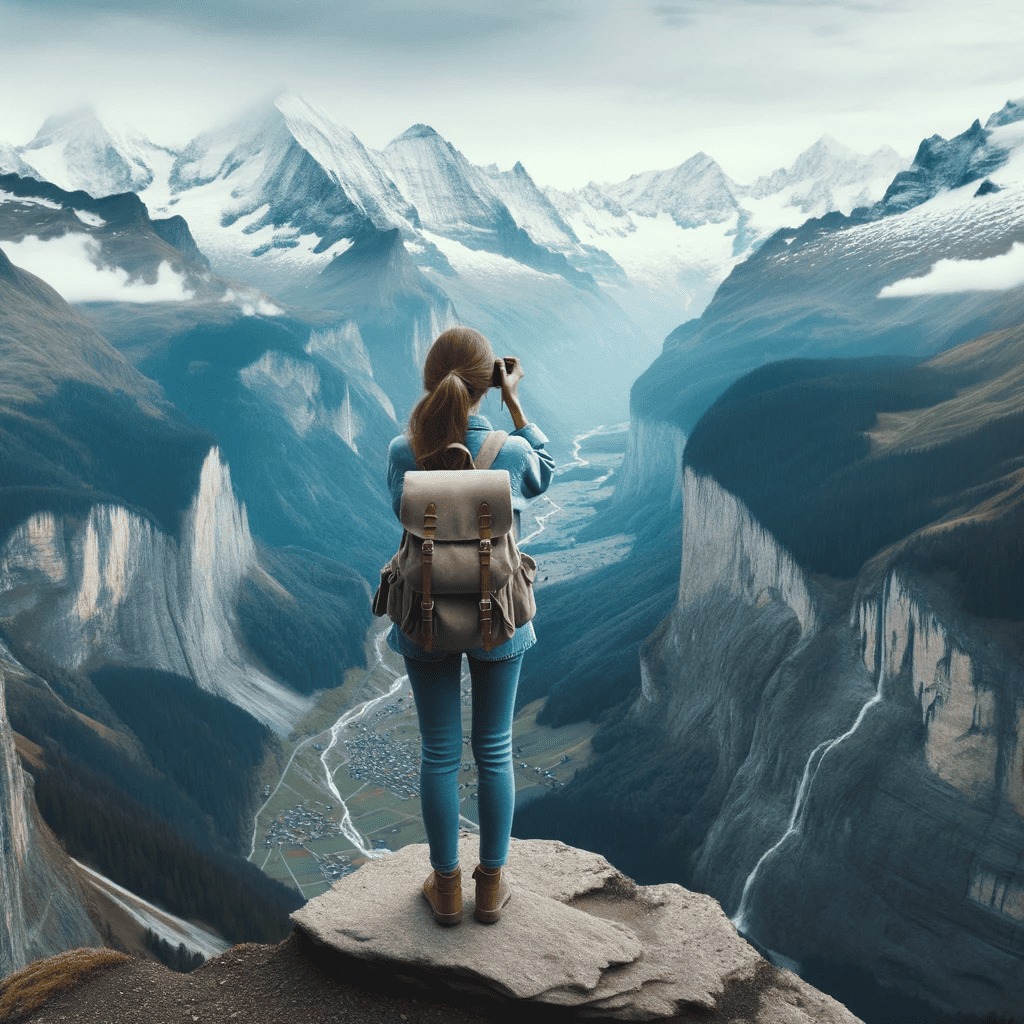
Backpacking is not merely a physical journey; it is an escape from the mundane and a gateway to exploration. It is an activity that combines adventure, self-discovery, and the thrill of immersing oneself in nature’s breathtaking wonders. Defined as traveling with all your belongings in a backpack, backpacking allows you to traverse vast landscapes on foot, giving you the freedom to explore remote trails and hidden gems that are inaccessible by other means of transport.
The Definition of Backpacking
Backpacking can be seen as a form of travel where you carry everything you need on your back, making it distinct from traditional tourism or day hikes. Unlike typical vacations where comfort and luxury are prioritized, backpacking involves embracing simplicity and minimalism. This stripped-down approach enables travelers to experience a deeper connection with nature, cultures, and themselves.
The Allure and Benefits of Backpacking

The allure of backpacking lies in its ability to take us out of our comfort zones and into the realm of uncertainty. It beckons those seeking adventure beyond conventional boundaries.
The challenges faced along the trail become catalysts for personal growth, fostering resilience and self-reliance. Backpackers learn to adapt to unpredictable situations, honing skills like navigation, wilderness survival, and decision-making.
Moreover, backpacking offers unparalleled opportunities for introspection amidst stunning natural landscapes. As we disconnect from our bustling digital lives and immerse ourselves in serene environments, we reconnect with our true selves and gain valuable insights about life’s priorities.
The solitude found while trekking through towering mountains or camping under star-filled skies provides moments for reflection that are often elusive in our fast-paced world. Additionally, backpacking fosters an appreciation for the environment by allowing us to witness its raw beauty up close.
We develop a sense of stewardship for our planet as we witness the fragility and splendor of untouched ecosystems. The awe-inspiring vistas and encounters with wildlife inspire us to protect these treasures for future generations.
Researching Your Destination
A Glimpse into the Vagaries of Climate and Weather Conditions
Before embarking on your backpacking adventure, it is imperative to delve into the intricacies of your destination’s climate and weather conditions. Familiarizing yourself with this vital information will help you pack appropriately and make informed decisions along the way. Is your destination prone to sudden temperature variations or frequent rainfall?
Are you venturing into an arid desert or a chilly alpine region? Understanding these nuances will enable you to pack suitable clothing items, such as lightweight, moisture-wicking layers for warm climates or insulated jackets for cooler environments.
Navigating Terrain and Trail Difficulty: A Journey through Nature’s Labyrinth
When researching your backpacking destination, it is essential to gather knowledge about the terrain and trail difficulty levels. Some hikes may take you through rugged mountainsides with steep ascents and descents, while others may lead to tranquil meadows nestled in gentle valleys.
By familiarizing yourself with the topography and evaluating trail reviews or guidebooks, you can better prepare physically and mentally for the challenges that lie ahead. If you are new to backpacking or prefer less demanding trails, opt for well-maintained paths that offer moderate levels of difficulty.
Local Regulations and Permits: Navigating Red Tape in Nature’s Realm
One aspect often overlooked by novice backpackers is understanding local regulations and obtaining necessary permits before embarking on their journey. Many popular hiking destinations have specific rules in place to protect wildlife, flora, and fragile ecosystems.
Research thoroughly about any permit requirements or restricted areas within your chosen trail system. This knowledge will not only ensure legal compliance but also contribute to preserving nature’s sanctity so future generations can revel in its beauty.
Choosing the Right Backpack
The Different Dimensions: Daypacks, Overnighters, and Multi-Day Marvels
Selecting the right backpack is crucial as it becomes your trusty companion throughout the journey. The first step is understanding the different types of backpacks available. For shorter hikes or day trips, a daypack with a capacity of around 20-30 liters should suffice.
Overnight trips may require slightly larger backpacks, typically ranging from 35-50 liters. If you are venturing on multi-day expeditions where you need to carry camping gear and additional supplies, consider backpacks with capacities exceeding 50 liters.
Size Matters: Ensuring the Perfect Fit
When choosing a backpack, sizing and fitting should be given utmost consideration. Ill-fitting packs can quickly turn even the most awe-inspiring hike into an uncomfortable ordeal.
Pay attention to your torso length and waist size when selecting a pack to ensure proper weight distribution and optimal comfort. Most reputable outdoor retailers offer fitting services to guide you in finding the perfect fit for your physique.
Features that Elevate Your Backpacking Experience
While selecting a backpack, it is essential to evaluate its features carefully. Adequate ventilation systems can prevent excessive sweating on hot days while well-designed compartments facilitate organized packing and easy access to essentials without rummaging through your entire pack. Other useful features include hydration bladder compatibility, external attachment points for trekking poles or ice axes, durable fabric construction for longevity, and adjustable suspension systems for personalized comfort.
Selecting Appropriate Gear and Equipment
A Shelter from Nature’s Embrace: Choosing Your Tent

Selecting an appropriate tent depends on various factors such as desired size, weight considerations, durability requirements, weather conditions expected during your trip (including wind resistance), and personal preferences. Ultralight tents are popular among backpackers due to their low weight, whereas four-season tents offer robust protection in extreme conditions. Consider the number of occupants and ensure the tent provides adequate space for both you and your gear.
Sweet Dreams Beneath Starlit Skies: Sleeping Bag and Pad Choices
The right sleeping bag and pad are essential to ensure a comfortable night’s sleep amidst nature’s embrace. Factors to consider include temperature rating, insulation type (down or synthetic), weight, compressibility, and size.
Selecting a sleeping pad with sufficient cushioning will insulate you from the cold ground while reducing discomfort caused by rocks or uneven surfaces. Be sure to match your sleeping bag’s temperature rating with the expected weather conditions to avoid being caught unprepared in chilly nights or overheating during warmer spells.
From Culinary Delights to Campfire Feasts: Cooking Essentials
Food is not only a necessity but also one of life’s pleasures during backpacking trips. Choosing appropriate cooking essentials ensures you can prepare nourishing meals efficiently. Portable stoves that operate on varied fuel types offer versatility, while lightweight cookware sets make cooking and cleaning hassle-free.
Additionally, investing in quality food storage containers helps protect your provisions from moisture, pests, and unwanted odors that may attract wildlife in your campsite. Prioritize lightweight options without compromising durability when selecting these key items for culinary success on the trail.
Packing Efficiently for Your Trip
Clothing Essentials: Layering System for Various Weather Conditions
When it comes to selecting the appropriate clothing for your backpacking adventure, implementing a layering system is paramount. The idea behind this approach is to add or remove layers as weather conditions fluctuate throughout the day. It ensures optimal comfort and protection, allowing you to adapt quickly to changing temperatures and activities.
Start with a moisture-wicking base layer made of lightweight and breathable materials such as merino wool or synthetic fabrics like polyester. This layer helps regulate body temperature by pulling sweat away from your skin, keeping you dry and comfortable during strenuous hikes or warm climates.
The mid-layer acts as insulation to retain heat in colder conditions. Opt for fleece jackets or down vests that provide warmth without adding excessive bulk to your pack.
These versatile garments can be easily packed when not needed or used as pillows during rest stops. The outer shell serves as a protective barrier against wind, rain, and snow.
Look for waterproof and breathable jackets that have sealed seams to prevent water penetration while allowing moisture vapor to escape. Adjustable hoods, cuffs, and hemlines help maintain an effective shield against inclement weather.
Choosing Lightweight and Quick-Drying Fabrics
When embarking on a backpacking trip, every ounce matters. Therefore, it’s crucial to select clothing made of lightweight materials that won’t weigh you down during long hikes or climbs. Consider garments constructed from nylon or polyester blends that offer durability while being featherlight.
Additionally, prioritize quick-drying fabrics that can handle unexpected showers or intense perspiration without compromising comfort. Synthetic fibers like polyester excel in this regard as they wick away moisture rapidly compared to natural fibers such as cotton which tend to retain dampness.
Furthermore, clothes treated with durable water repellent (DWR) coatings enhance their water resistance, shedding light rain and preventing saturation. However, keep in mind that these treatments may wear off over time and require reapplication.
Packing Extra Socks and Proper Footwear
Taking care of your feet is of utmost importance while backpacking. To maintain foot hygiene and prevent discomfort or blisters, carrying extra pairs of socks is essential.
Opt for moisture-wicking socks made from synthetic blends or merino wool to keep your feet dry and reduce the risk of friction-induced injuries. Equally important is selecting proper footwear that suits the terrain you’ll be trekking on.
Research and invest in well-fitting hiking boots or trail shoes designed for long distances. Look for features such as sturdy ankle support, waterproofness, breathability, and a grippy outsole to provide traction on various surfaces.
Remember to break in your footwear before embarking on your trip to avoid painful blisters or foot fatigue along the way. Wear them during shorter hikes or walks beforehand, gradually increasing the duration until they conform comfortably to your feet.
Essential Toiletries: Sunscreen Protection
Protecting your skin from harmful UV rays is crucial during outdoor adventures where sunlight exposure may be prolonged. Applying sunscreen with a high sun protection factor (SPF) safeguards against sunburns, premature aging, and reduces the risk of skin cancer. Choose a broad-spectrum sunscreen that guards against both UVA and UVB rays.
Opt for sweat-resistant formulas that won’t easily wash off during physical exertion or when encountering unexpected rain showers. Apply sunscreen generously to all exposed areas at least 15-30 minutes before sun exposure and reapply every two hours or more frequently if sweating excessively.
Selecting a sunscreen with eco-friendly ingredients not only protects you but also minimizes environmental impact when washing off into water sources encountered along the trail. Look for biodegradable options that are free from harmful chemicals like oxybenzone and octinoxate.
Essential Toiletries: Biodegradable Soap and Microfiber Towel
Maintaining personal hygiene while backpacking is essential for comfort and overall well-being. However, being mindful of environmental impact is equally important.
Choose biodegradable soap options that are friendly to ecosystems when washing up in rivers or lakes along your journey. Additionally, pack a lightweight microfiber towel that dries quickly and efficiently.
Compared to traditional bulky towels, microfiber towels are highly absorbent and compact, saving valuable space in your backpack. They also inhibit the growth of odor-causing bacteria, ensuring freshness throughout your trip.
Navigational Tools: Topographic Maps or GPS Device
To navigate unfamiliar territories confidently, carry reliable navigational tools such as topographic maps or a GPS device. Topographic maps provide detailed information about terrain features, including elevation changes, contour lines, trails, water sources, and points of interest.
Familiarize yourself with map-reading skills beforehand to effectively interpret this valuable resource. Alternatively, a GPS device equipped with preloaded topographic maps can serve as a digital guide for precise navigation.
Ensure the device is fully charged and familiarize yourself with its operation before embarking on your adventure. Remember that electronic devices may be subject to battery limitations or technical malfunctions.
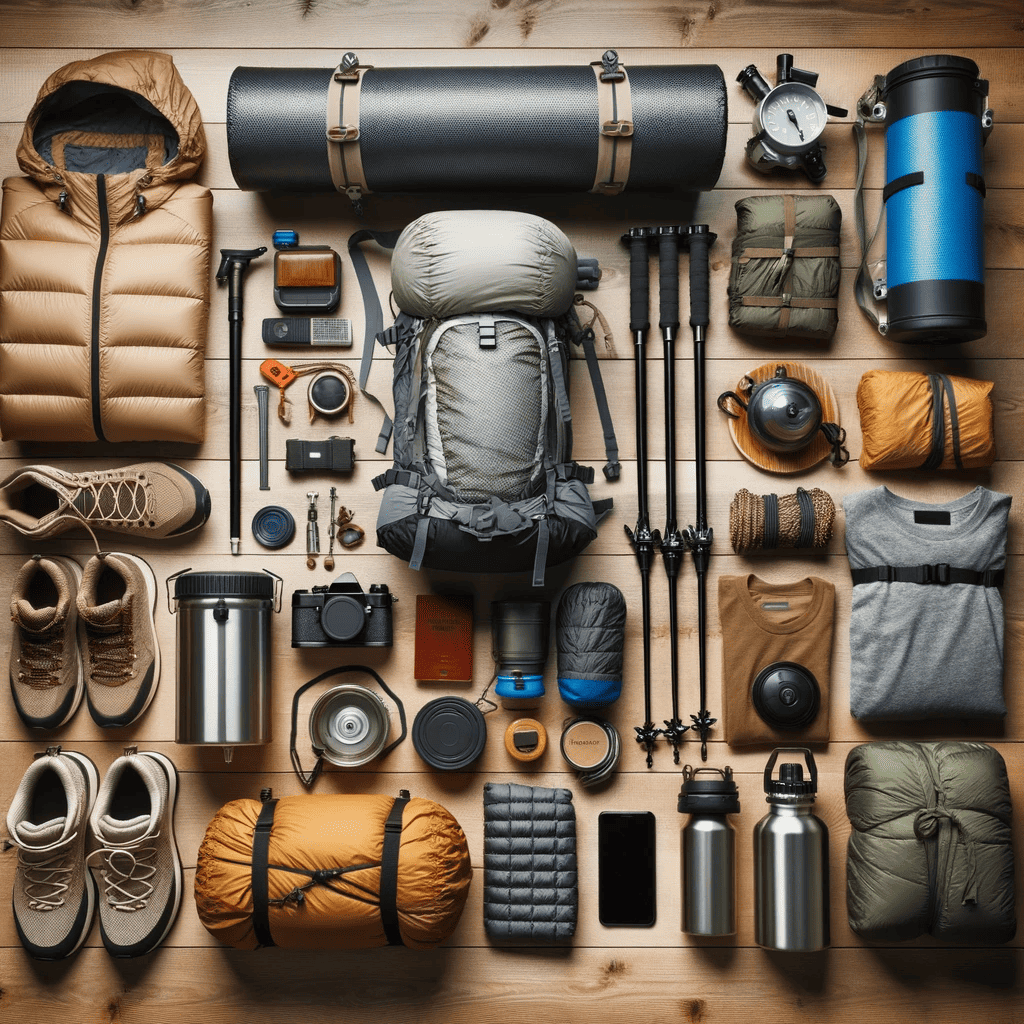
Therefore, always bring traditional navigational tools like a compass as a backup to ensure you can find your way even in unforeseen circumstances. By packing efficiently with appropriate clothing layers suited for various weather conditions; selecting lightweight and quick-drying fabrics; carrying spare socks and suitable footwear; bringing essential toiletries such as sunscreen protection along with biodegradable soap and a microfiber towel; as well as equipping yourself with topographic maps or utilizing GPS devices alongside complementary navigational tools like compasses – you will be well-prepared for an enjoyable backpacking adventure while minimizing environmental impact and ensuring personal comfort and safety.
Tips for a Successful Backpacking Trip
Water Purification Methods – Choosing the Right One
When it comes to ensuring clean drinking water during your backpacking adventure, you have three main options: filters, purifiers, and chemical treatments.
Filters work by physically removing bacteria, protozoa, and larger particles from the water.
They are effective against most waterborne pathogens but may not eliminate viruses. Purifiers, on the other hand, use advanced technologies like UV light or iodine to kill or deactivate pathogens such as viruses as well.
Chemical treatments involve using tablets or drops that chemically disinfect the water.
Knowing Water Sources Along the Trail – One crucial aspect of backpacking is knowing where to find reliable water sources along your chosen trail. Before embarking on your trip, research and create a plan based on available maps or guidebooks that indicate potential water sources along the way.
It’s essential to identify natural sources such as streams, rivers, lakes, or springs that you can rely on for replenishing your water supply. Apart from marked sources on maps, fellow hikers’ experiences and online forums can also provide valuable insights into seasonal availability of certain water sources.
Food Planning and Storage Tips – Fueling Your Adventure
Proper nutrition is paramount when engaging in physically demanding activities like backpacking. Planning your meals beforehand will ensure you have enough energy throughout your journey. Opt for lightweight foods with high calorie-to-weight ratios such as dehydrated meals, energy bars/nuts/dried fruits mixtures, and instant soups/oatmeal packs.
Take into consideration any dietary restrictions or allergies when selecting your food supplies. Bear Canisters – Protecting Your Food (and Bears)
When venturing into areas with bear populations, it is crucial to practice proper food storage techniques not only for personal safety but also for wildlife conservation efforts. Bear canisters are durable, bear-resistant containers designed to keep food secure and inaccessible to bears.
These canisters are typically made of sturdy materials like hard plastic or metal and have a tamper-proof lid that prevents bears from opening them. It’s important to familiarize yourself with local regulations regarding bear canister usage and learn the proper techniques for storing your food to minimize the scent that attracts these magnificent creatures.
Conclusion
Embarking on a backpacking adventure allows you to immerse yourself in nature’s beauty and push your limits while experiencing a sense of freedom. By following these essential tips, you can ensure a successful trip filled with awe-inspiring moments and unforgettable memories.
Remember, water purification is vital, so choose the right method for your needs, research water sources along your trail, plan your meals wisely by opting for calorie-dense foods, and always prioritize proper food storage practices – not only for your own safety but also for the preservation of wildlife habitats. So pack your bags, lace up those boots, and embrace the incredible journey that awaits you in the great outdoors!