
Introduction
Air travel, a marvel of modern engineering and innovation, has become an integral part of our society. With the ability to traverse vast distances in a fraction of the time it would take by other means, air travel has revolutionized not only transportation but also our way of life. From business trips and family vacations to emergency medical evacuations and diplomatic missions, the importance of air travel cannot be overstated.
As we delve into the realm of air travel tips, it is crucial to recognize the incredible impact that flying has had on global connectivity. In today’s fast-paced world, where time is a valuable commodity, boarding an airplane allows individuals to bridge gaps and transcend borders with efficiency and ease.
Importance of Air Travel in Modern Society
Air travel plays a pivotal role in shaping our contemporary society. It has opened up new horizons for trade and commerce, enabling businesses to expand their reach beyond borders and establish global networks.
Goods that were once limited by geographical boundaries can now be transported swiftly from one corner of the world to another, facilitating economic growth on an unprecedented scale. Moreover, air travel has revolutionized tourism, turning dream destinations into accessible realities for millions.
The ability to explore different cultures, witness breathtaking natural wonders or visit iconic landmarks has become attainable for individuals from all walks of life. This not only fosters cultural exchange but also fuels economic growth in regions dependent on tourism as a major revenue source.
Overview of the Outline
In order to facilitate smooth journeys through the skies for travelers like yourself, this comprehensive article provides invaluable air travel tips that cover every step – from preparation to touchdown. The first section focuses on preparing for your flight by researching and booking your ticket effectively.
We will discuss utilizing online resources such as travel agencies and comparison websites to find the best deals and weigh the factors that affect your choice of airline, layovers, and ticket prices. Additionally, we will explore packing strategies that enable you to optimize luggage space while complying with baggage restrictions.
The second section delves into navigating the airport experience seamlessly. We will guide you on important factors to consider when determining your arrival time at the airport, taking into account traffic conditions and security wait times.
Furthermore, we will shed light on going through security screening smoothly by understanding TSA regulations and procedures. We will provide tips for finding your way through the terminal with ease by following signage and utilizing airport maps or mobile apps.
Preparing for Your Flight

Researching and booking your flight
When it comes to air travel, thorough research and strategic booking can make all the difference in ensuring a smooth and enjoyable journey. Utilizing online travel agencies and comparison websites is a savvy way to start your search.
These platforms provide you with the convenience of comparing various airlines, layovers, and ticket prices all in one place. Websites like Expedia, Kayak, or Skyscanner allow you to input your destination and preferred dates, generating a comprehensive list of available flights with their respective prices.
As you explore different options, consider several important factors that can greatly affect your travel experience. First and foremost, evaluate different airlines based on their reputation for punctuality, customer service, and overall comfort.
Pay attention to layovers as well; while direct flights are often preferable for convenience, sometimes opting for a slightly longer layover can result in significant cost savings. Additionally, take into account ticket prices from different carriers – keep in mind that rates may vary depending on factors such as time of year or day of the week.
Packing efficiently and effectively
Packing efficiently is an art form that seasoned travelers have honed over time. Understanding baggage restrictions imposed by airlines is crucial to avoid unnecessary fees or delays at check-in. Familiarize yourself with weight limits imposed on both checked luggage and carry-ons – these limits can vary depending on the airline or fare class you’ve chosen.
To maximize space within your luggage while maintaining organization, consider employing some clever packing techniques. Roll clothes instead of folding them – this not only helps reduce wrinkles but also saves precious space within your suitcase.
Utilize packing cubes or compression bags to compartmentalize different items such as clothing or toiletries. This approach not only keeps everything organized but also allows for easy access during unpacking.
When it comes to carry-ons, pack your essentials strategically. Keep important documents, electronic devices, and any necessary medications within reach.
It is also advisable to have a change of clothes and basic toiletries in your carry-on in case of unforeseen circumstances such as delayed luggage. By packing efficiently and effectively, you’ll be better prepared for any situation that may arise during your journey.
Checking in online or at the airport
The check-in process can often be a source of stress for travelers, but with careful planning, it can become a seamless experience. Many airlines offer the convenience of online check-in prior to arriving at the airport.
Taking advantage of this option has several benefits – you can select your preferred seat (if available), save time by avoiding long queues at the airport check-in counters, and have access to electronic boarding passes on your mobile device. However, if you are unable to check-in online or prefer to do so at the airport, understanding the procedures will help streamline the process.
Locate your airline’s check-in counters upon arrival at the terminal and ensure you have all necessary travel documents readily available – these typically include your passport or identification card along with any required visas or travel permits. At the counter, present your travel documents to an airline representative who will guide you through additional steps such as luggage drop-off (if needed) and providing boarding passes.
Take note of any specific instructions provided by airline staff regarding security checks or departure gates. Being well-prepared during the check-in process will contribute to a stress-free beginning of your air travel journey.
Navigating the Airport Experience
Arriving at the airport on time
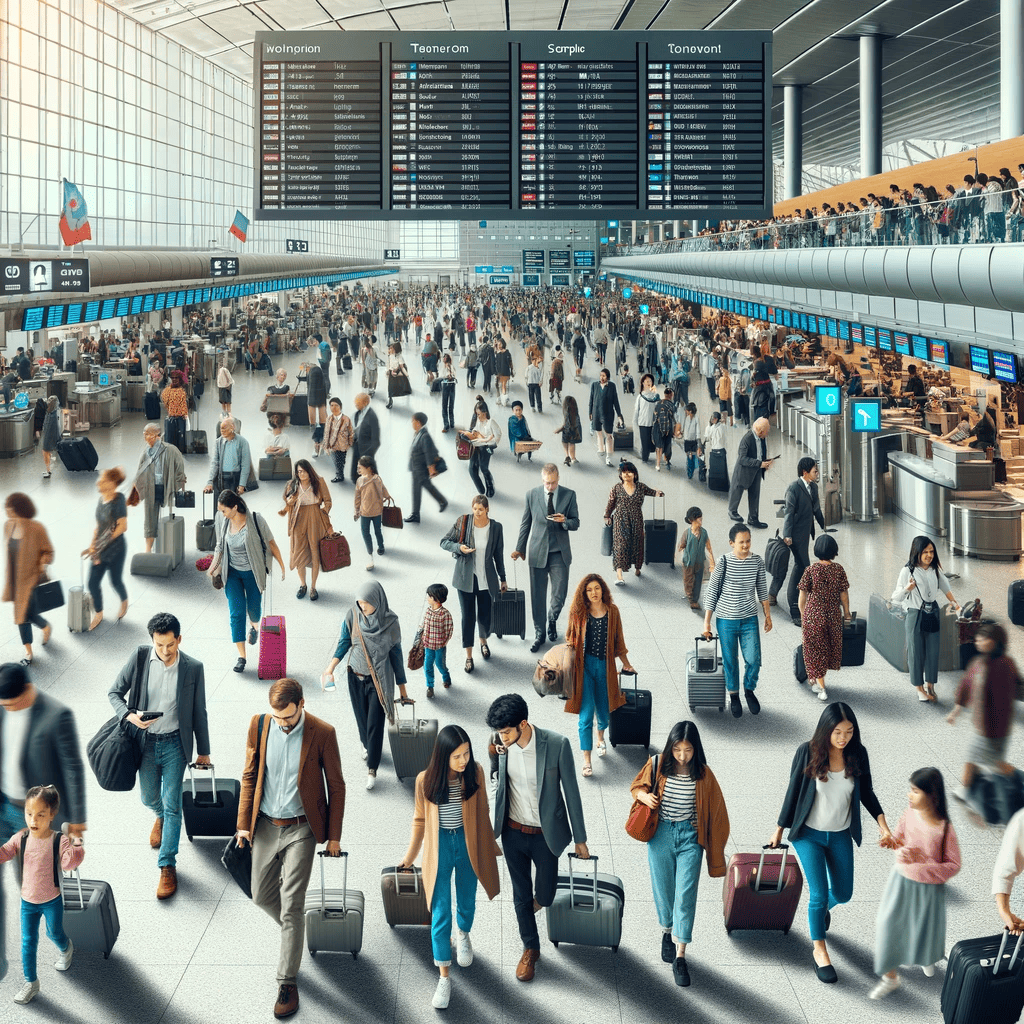
When it comes to air travel, arriving at the airport on time is crucial to ensure a smooth and stress-free journey. Determining the appropriate arrival time involves considering various factors that can impact your schedule.
One of the primary considerations is traffic conditions, as heavy congestion can significantly delay your arrival. It is advisable to check traffic reports before leaving for the airport and allow extra time if necessary.
In addition to traffic, it’s essential to factor in security wait times when determining your arrival time. Security procedures have become stricter in recent years, resulting in longer lines and potential delays.
To estimate security wait times accurately, check with the airport or airline’s website for any announcements or updates regarding current wait times. It’s recommended to arrive at least two hours before domestic flights and three hours before international flights to provide sufficient leeway.
Going through security screening
Passing through security screening can be one of the most daunting aspects of air travel. Understanding Transportation Security Administration (TSA) regulations and procedures beforehand will help you breeze through this process efficiently.
One crucial regulation to be aware of relates to liquids, gels, and aerosols restrictions. These items must be placed in containers no larger than 3.4 ounces (100 milliliters) and stored in a clear resealable plastic bag.
It’s essential to pack these items separately from your main luggage for easy access during screening. Another aspect of security screening involves removing electronics from bags for separate inspection.
Laptops, tablets, e-readers, cameras, and other large electronic devices are required to be placed in a separate bin during X-ray scanning. To streamline this process further, consider packing these electronic devices together in one bag within your carry-on luggage, making it easier to retrieve and place in the designated bin.
Making your way through the terminal
Once you have successfully passed through security, navigating the airport terminal efficiently is essential. Following signage for gates, restrooms, and amenities will help you reach your destination smoothly.
Most airports have clear and visible signs directing passengers to different areas of interest throughout the terminal. Pay attention to overhead signs or digital displays that guide you towards your gate or other facilities.
In recent years, many airports have embraced technology to enhance passenger experience. Utilizing airport maps available on their websites or mobile apps can be immensely helpful in finding your way around the terminal.
These maps often provide real-time updates on gate changes, flight statuses, restaurant options, and even walking distances between locations within the airport. By utilizing such resources, you can save time and minimize stress while making your way through the bustling terminal.
In-Flight Tips for Comfortable Traveling
Choosing the Right Seat: Maximizing Comfort and Convenience
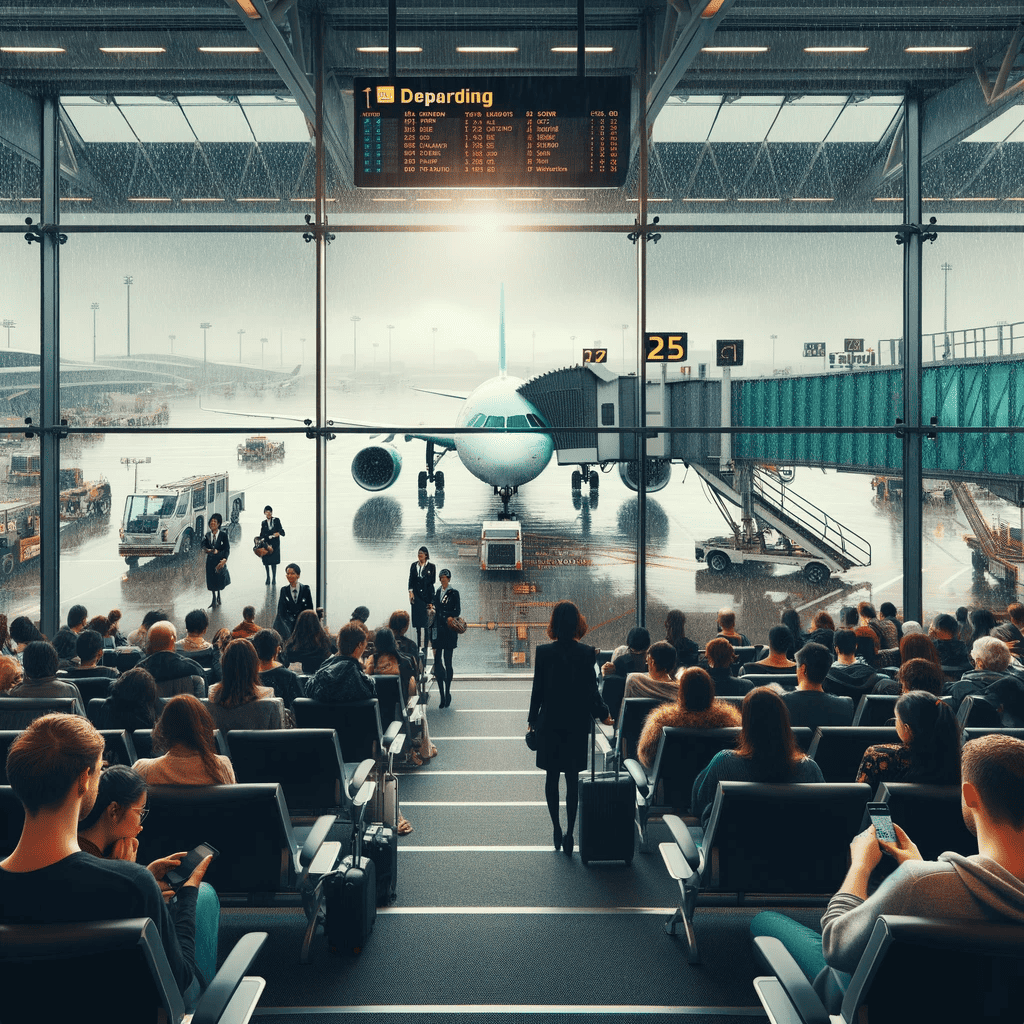
When it comes to air travel, selecting the right seat can make a significant difference in your overall comfort during a long flight. There are several factors to consider when choosing your seat.
Firstly, think about legroom. If you are someone who values stretching your legs or has long limbs, opting for seats with extra legroom can greatly enhance your comfort.
Additionally, if you anticipate frequent trips to the restroom or prefer easy access to the aisle, opt for a seat closer to the lavatories. Moreover, airlines often offer seat selection options that cater to specific needs.
For instance, exit rows and bulkhead seats provide more legroom but may have certain restrictions due to safety regulations. If you meet the eligibility requirements defined by airlines – such as being physically fit and able-bodied – these seats can offer added space and comfort during flights.
Dressing Comfortably: The Key to a Pleasant Journey
Your choice of clothing plays a crucial role in ensuring a comfortable flight experience. When it comes to long flights, it is important to prioritize comfort over style while still maintaining an air of respectability.
Opt for loose-fitting clothing made from breathable materials like cotton or linen that allow for ease of movement and ventilation. Layering is also essential as cabin temperatures tend to fluctuate throughout the journey.
Dress in lightweight layers that you can easily add or remove according to your personal thermal preferences. This way, you can adapt comfortably if either the aircraft feels too cold or overly warm during different phases of your flight.
Staying Hydrated: Nurturing Your Well-being at Altitude
Maintaining proper hydration levels is crucial during air travel as the cabin’s low humidity levels can cause dehydration and discomfort. Be sure to drink plenty of water before, during, and after your flight. It is recommended to bring a reusable water bottle and fill it up once you pass through security.
Flight attendants also provide regular beverage service, so take advantage of these opportunities to stay hydrated. Moreover, avoid excessive consumption of alcohol or caffeinated beverages as they can contribute to dehydration.
Although it may be tempting to indulge in a glass of wine or a cup of coffee during your flight, moderation is key. Instead, opt for herbal teas or plain water to maintain optimal hydration levels throughout the journey.
Conclusion
As you embark on your air travel adventures, following these tips will ensure you have a more comfortable and enjoyable experience from start to finish. By carefully considering the factors that affect your comfort in-flight – such as seat selection, clothing choices, and hydration – you can make the most out of your journey.
Remember that air travel allows us an extraordinary opportunity to witness the beauty of our world and connect with people from diverse backgrounds. Embrace this opportunity with an optimistic mindset – view each flight as an adventure waiting to unfold.
With these tips in mind and a positive outlook, you are well-equipped to navigate the skies in style while maintaining your comfort and well-being throughout the journey. Bon voyage!