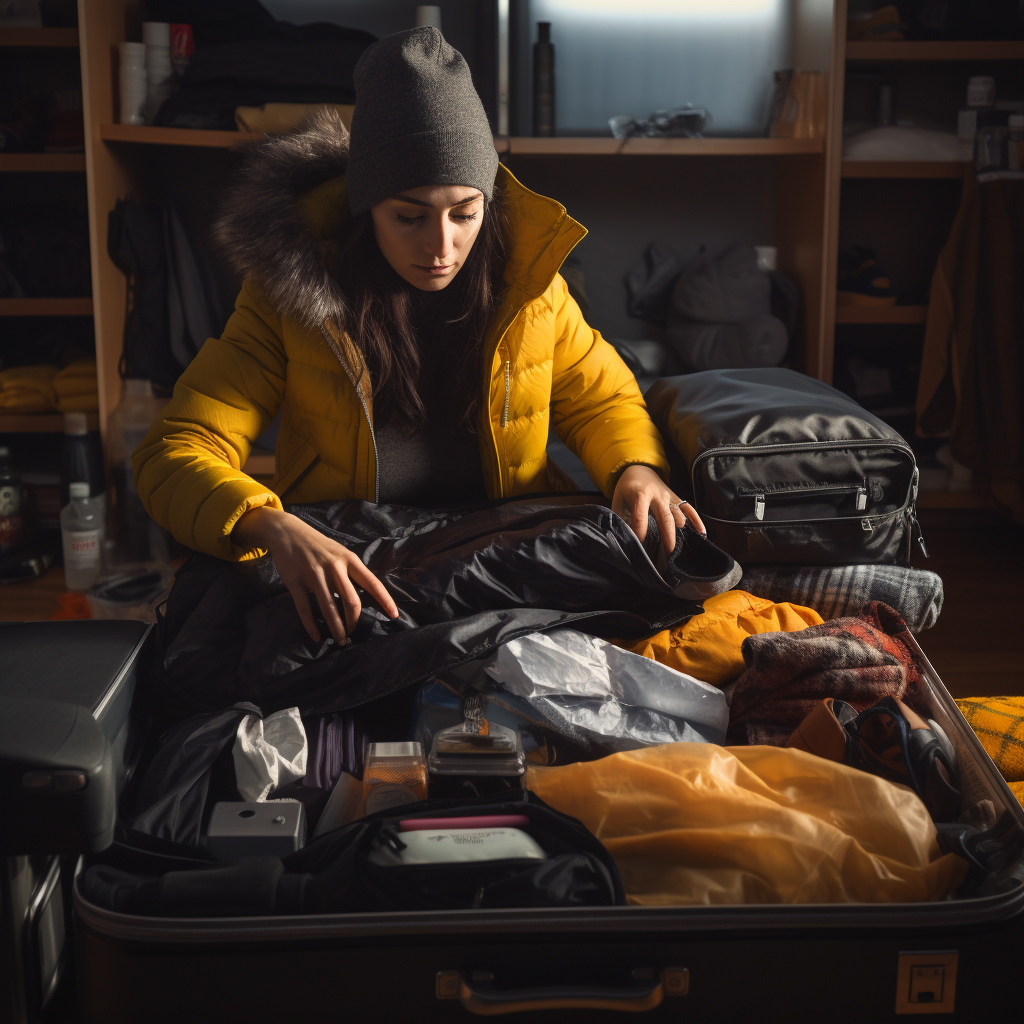
Introduction
As the golden years beckon, seniors often find themselves yearning for new adventures and memorable experiences. Traveling can be a delightful way to explore the world, immerse in different cultures, and create cherished memories.
However, for seniors, efficient packing becomes paramount to ensure a smooth and enjoyable journey. Understanding the importance of organized and well-planned packing is crucial for senior travelers to make their trips hassle-free and comfortable.
The Importance of Efficient Packing for Seniors

Packing efficiently is particularly vital for seniors due to various reasons. Firstly, as age advances, physical capabilities may change, making it essential to pack wisely to minimize strain on the body.
By carefully selecting items and optimizing luggage space, seniors can reduce the risk of injuries or fatigue during their travels. Moreover, efficient packing allows seniors to have everything they need within easy reach.
This not only enhances convenience but also contributes to a more enjoyable travel experience overall. By eliminating the need for excessive searching or heavy lifting while on the move, seniors can focus on savoring each moment of their journey without unnecessary stress or discomfort.
Furthermore, efficient packing provides peace of mind by ensuring that important essentials are readily available. From medications and personal care items to travel documents and identification cards – having everything well-organized guarantees that nothing is forgotten or misplaced during transit.
The Benefits of Organized and Well-Planned Packing
Organized packing offers numerous advantages that directly impact the quality of a senior traveler’s trip. Firstly, it allows for easier navigation throughout airport terminals or train stations without feeling overwhelmed by excess baggage or cluttered belongings.
Additionally, organized packing ensures optimal use of limited luggage space – an essential consideration when traveling with weight restrictions or limited mobility options in mind. Proper planning enables seniors to pack strategically, selecting versatile clothing options and essential items while leaving behind unnecessary bulk.
Moreover, well-planned packing contributes to a sense of preparedness and self-sufficiency. By having everything they need at their fingertips, seniors can maintain their routine and personal preferences even when away from home.
This independence fosters a greater sense of confidence and comfort during travel. Recognizing the significance of efficient packing for seniors is fundamental in ensuring a smooth, enjoyable, and stress-free journey.
Organized packing not only minimizes physical strain but also enhances convenience, peace of mind, and overall travel experience. With these considerations in mind, let us delve into the practical tips to assist senior travelers in preparing for their next adventure.
Preparing for the trip
Researching the dEfficient Packing for Seniorsestination and climate

Embarking on a journey requires careful planning, especially for our esteemed senior travelers. Before setting foot on unfamiliar terrain, it is essential to conduct thorough research about the chosen destination. Start by delving into detailed information about the climate.
Familiarize yourself with weather patterns, seasonal variations, and temperature ranges to ensure you pack appropriate clothing and accessories. If you’re heading to a tropical paradise or a chilly mountain retreat, knowing what to expect will enable you to make informed decisions while packing.
Understanding local customs and dress codes
As seasoned travelers know all too well, respecting local customs is key when immersing oneself in foreign cultures. Gain an understanding of your destination’s cultural norms, etiquettes, and traditions in advance.
By familiarizing yourself with these nuances, you can ensure that your behavior aligns with local expectations and foster meaningful interactions during your travels abroad. Furthermore, becoming acquainted with dress codes prevalent at your destination is crucial for both comfort and respectability.
Some cultures may have conservative dress standards that require covering certain body parts or refraining from wearing revealing clothing items. Adapting your wardrobe accordingly showcases appreciation for local values while ensuring personal comfort throughout your journey.
Making a comprehensive checklist
Creating a comprehensive checklist serves as a strategic foundation for organized packing – especially when embarking on exciting adventures as senior explorers. Begin by listing essential items that should unquestionably accompany you on every trip: identification documents (such as passports or driver’s licenses), travel tickets or confirmations, health insurance cards, and any necessary visas.
Next, consider personal care items crucial for maintaining health and hygiene while away from home. This encompasses toiletries like toothbrushes, toothpaste, soap/shower gel, shampoo/conditioner in travel-sized containers (adhering to airline regulations), and any specialized products required for specific health conditions.
When it comes to clothing, opt for versatile pieces suitable for a range of occasions and weather conditions. Pack a mix of comfortable, wrinkle-resistant outfits, including tops, bottoms, and outerwear appropriate for both casual outings and formal events.
Layering items like light sweaters or jackets allow you to adapt easily to temperature fluctuations. Don’t forget to include comfortable footwear suitable for exploring different terrains.
Consider entertainment options that will make your trip even more enjoyable. Whether it’s books, magazines, crossword puzzles, or portable electronic devices loaded with your favorite movies or music playlists – having these diversions at hand ensures a pleasant journey from start to finish.
By conducting thorough research about the destination’s climate and customs while creating a comprehensive checklist of essential items tailored specifically for senior travelers’ needs, you pave the way for an organized and stress-free adventure. Remember: careful preparation is the key that unlocks extraordinary travel experiences!
Choosing the Right Luggage

Considering Mobility Limitations
When it comes to choosing the right luggage for seniors, it is crucial to take into account their potential mobility limitations. Opting for lightweight suitcases or backpacks with wheels can greatly alleviate physical strain while navigating through airports or train stations.
These types of luggage are designed to be easily maneuvered and require minimal effort, allowing seniors to travel with greater ease and comfort. The wheels enable them to roll their belongings alongside them instead of carrying heavy bags, reducing the risk of fatigue or injuries.
Exploring Alternatives like Duffel Bags or Rolling Totes
While suitcases with wheels may be an excellent choice for most senior travelers, exploring alternatives such as duffel bags or rolling totes can offer additional advantages. Duffel bags are typically lighter and more flexible than traditional suitcases, making them easier to handle and pack into tight spaces.
Rolling totes, on the other hand, have a more compact design but still provide ample storage capacity. They often come with additional pockets and compartments that allow for better organization and accessibility.
Ensuring Durability and Security
Senior travelers must prioritize both durability and security when selecting their luggage. Opting for sturdy suitcases with reinforced corners ensures that they can withstand rough handling during transit without sustaining damage.
Additionally, selecting luggage made from durable materials such as polycarbonate or ballistic nylon can provide extra protection against wear and tear. To enhance security measures, seniors should consider utilizing TSA-approved locks or luggage straps on their chosen baggage.
TSA-approved locks allow airport security personnel to open your suitcase for inspection without damaging it while providing peace of mind against theft during travel. Luggage straps not only add an extra layer of security by preventing bags from accidentally opening but also help in identifying your belongings quickly amongst a sea of similar bags, especially during crowded luggage carousels.
By considering the mobility limitations of seniors, exploring alternative luggage options like duffel bags or rolling totes, and ensuring durability and security through reinforced corners and TSA-approved locks or luggage straps, senior travelers can select the ideal luggage that best suits their needs. This thoughtful selection process will contribute to a smoother travel experience, allowing seniors to focus on enjoying their journey without unnecessary physical strain or concerns about their belongings.
Clothing considerations
Selecting comfortable, easy-to-wear outfits
When it comes to packing clothing for senior travelers, comfort should be the primary focus. Opt for loose-fitting garments made from breathable fabrics such as cotton or linen.
Avoid clothes with tight waistbands or restrictive elements that may impede movement. Choose items that are easy to put on and take off, like pull-on pants or elasticated waistbands, as they can help seniors maintain independence when dressing.
Packing layers to accommodate temperature changes
Seniors often have different temperature preferences due to factors such as medication or specific health conditions. To adapt to varying climates and ensure comfort throughout the trip, it’s advisable to pack layers rather than bulky items or heavy coats.
This allows for flexibility in adjusting clothing based on temperature fluctuations. Consider including lightweight cardigans, sweaters, scarves, and jackets that can be easily added or removed as needed.
Medications and medical supplies

Organizing prescription medications in pill organizers or labeled containers
Proper organization of medications is crucial for seniors during travel. Before packing, gather all necessary prescription medications and place them in clearly labeled containers or pill organizers.
This ensures easy identification of each medication, dosage instructions, and helps prevent any mix-ups. It is also wise to carry a list of all prescribed medications with generic names handy in case of emergencies.
Bringing extra supplies such as hearing aids, glasses, or mobility aids
In addition to prescription medications, don’t forget about other essential medical supplies that a senior may require during their trip. Pack extra supplies of hearing aids, batteries, eyeglasses, or contact lenses.
If a mobility aid is necessary, such as a cane or walker, ensure it is lightweight and easily transportable. It’s always better to be prepared for any unforeseen circumstances or potential loss or damage to these essential items.
Technology gadgets and chargers

Packing necessary electronics like phones or tablets
In today’s digital age, technology has become an integral part of travel for many seniors. Prioritize the packing of essential electronics such as mobile phones, tablets, or e-readers that provide comfort and convenience during the journey. These devices can facilitate communication with loved ones, access important information like maps or travel guides, and offer entertainment options for long flights or downtime at the destination.
Bringing portable chargers or adapters for different outlets
To ensure uninterrupted use of electronic devices throughout the trip, don’t forget to pack portable chargers that are compatible with your gadgets. This way, you won’t have to worry about finding power outlets in unfamiliar places. Furthermore, if you’re traveling internationally where electrical systems may vary from your home country’s standards, consider bringing appropriate travel adapters that allow you to plug devices into different outlet types commonly found at your destination.
Special considerations for senior travelers
Health-related items
As senior travelers, prioritizing health and well-being during a trip is of utmost importance. When packing, it’s crucial to include a well-stocked first aid kit.
This should contain essentials such as band-aids, antiseptic wipes, pain relievers (like acetaminophen or ibuprofen), and any prescription medications required. Additionally, consider including remedies specific to individual needs, like anti-diarrheal medication or motion sickness tablets.
Including medical information cards with emergency contacts
In case of any unforeseen circumstances or emergencies, it is wise to carry medical information cards containing essential details. These cards should include personal identification data such as name and date of birth, emergency contact numbers (both local and back home), known allergies or medical conditions, as well as the names and contact information of healthcare providers. Placing these cards in easily accessible locations like wallets or travel bags can assist healthcare professionals in providing appropriate care if the need arises.
Conclusion
When it comes to packing for senior travelers, thoughtful consideration must be given to their specific needs. By researching the destination and climate beforehand, creating comprehensive checklists tailored to individual requirements, selecting appropriate luggage options that prioritize mobility and security, and including essential items like clothing layers and technology gadgets along with health-related necessities such as a first aid kit and medical information cards—the journey becomes more comfortable and enjoyable for seniors. By taking these precautions before embarking on an adventure, seniors can ensure that they are prepared for any situation that may arise while traveling.
With proper preparation in place, they can embark on their trips with confidence—knowing that they have everything they need at their fingertips to make their journeys safe and memorable. So go ahead—explore new horizons and create lasting memories, as age should never be a barrier to experiencing the wonders of the world.