Introduction
Backpacking, an increasingly popular form of travel, encompasses the spirit of adventure, self-discovery, and exploration. It involves embarking on a journey with nothing but a backpack filled with essentials. Whether it’s hiking through rugged terrains or traversing bustling cities, backpacking allows individuals to immerse themselves in new cultures, connect with nature, and break free from the constraints of conventional tourism.
The Definition of Backpacking and its Appeal
At its core, backpacking can be defined as a style of independent travel where the emphasis is on experiencing authentic encounters and embracing the unpredictability of the journey. Unlike traditional vacations that revolve around luxurious accommodations and meticulously planned itineraries, backpackers seek meaningful connections with locals, off-the-beaten-path destinations, and an opportunity for personal growth. This unique form of travel has gained immense popularity among adventurers who yearn to break away from the monotony of everyday life.
It offers a chance to step outside one’s comfort zone and engage in diverse activities such as trekking ancient trails or hopping between islands in search of hidden gems. Backpackers are drawn to the sense of freedom that comes with carrying their world on their back—a tangible symbol of liberation from societal expectations.
The Importance of Packing Light for Backpackers
Packing light is not just a practical approach; it is an essential mindset for any aspiring backpacker. The weight carried on one’s back significantly impacts mobility and overall enjoyment during a trip. By minimizing their possessions to only the bare necessities and selecting versatile items that serve multiple purposes, backpackers find themselves unburdened by excess baggage—both literally and metaphorically.
Efficiently packing light enables travelers to move more freely across various terrains without feeling weighed down by unnecessary belongings. Whether navigating through crowded markets, trekking up steep inclines, or maneuvering public transportation, the nimble backpacker benefits from enhanced mobility and flexibility.
Additionally, packing light aligns with the resourcefulness and sustainability that are often embraced by backpackers. By reducing the amount of luggage and relying on fewer resources, they can minimize their impact on the environment while also saving money on baggage fees.
The Benefits of Packing Light
Easier Mobility and Flexibility
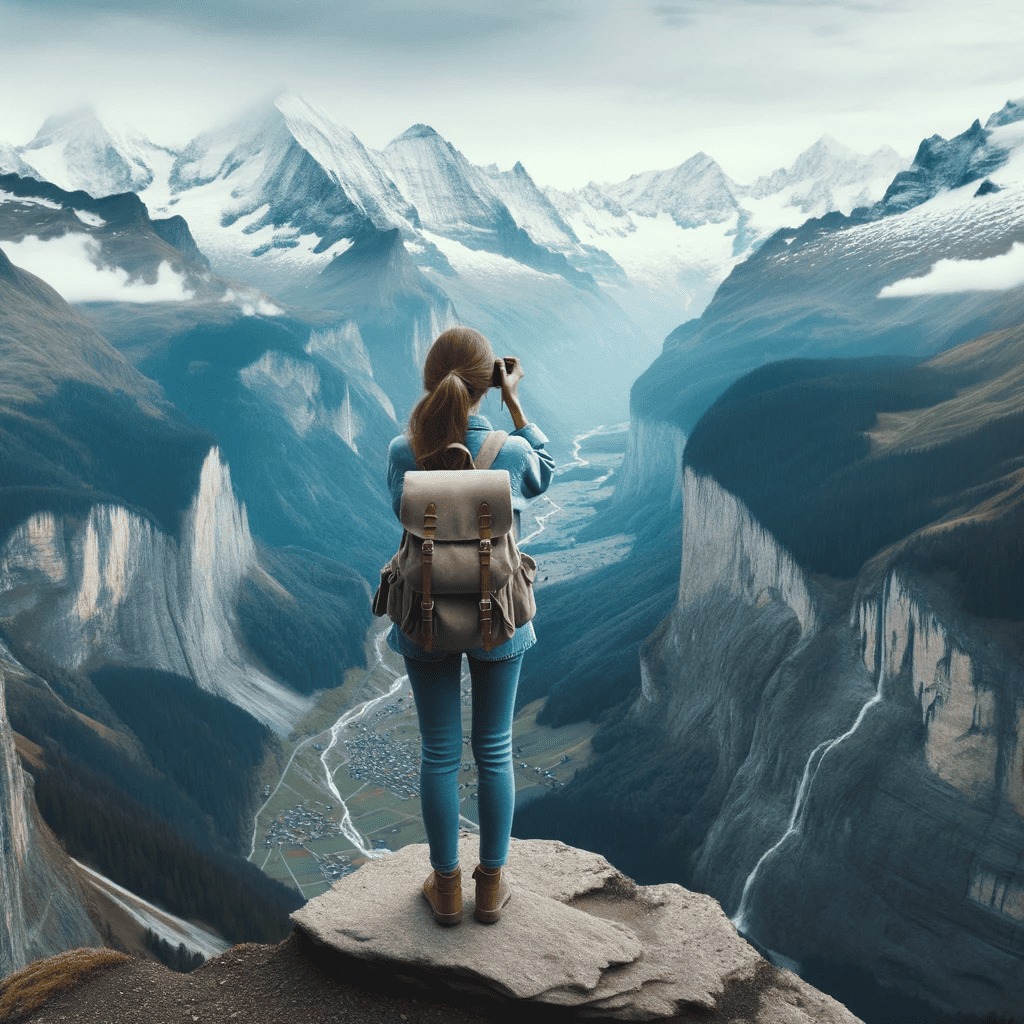
When it comes to backpacking, mobility and flexibility are paramount. Traveling with a light backpack allows you to move more freely and navigate crowded areas with ease. Imagine trying to maneuver through bustling markets or narrow cobblestone streets with a bulky suitcase dragging behind you.
It’s not only cumbersome but also hinders your ability to explore hidden gems that lie off the beaten path. A well-packed lightweight backpack ensures that you can effortlessly glide through any terrain, whether it be climbing up steep mountains or crossing rivers on rugged trails.
Having less weight on your back improves balance and agility, making it easier for you to adapt to various terrains and climates. This newfound freedom enables you to fully embrace the adventure of backpacking, as every step becomes an opportunity for exploration and discovery.
Less Strain on the Body during Long Hikes or Treks
One of the most significant advantages of packing light is the reduced physical strain on your body during long hikes or treks. Carrying excess weight can quickly lead to fatigue, muscle soreness, and even injuries.
By being mindful of what goes into your backpack, you can protect yourself from unnecessary physical stress. A lighter load means less strain on your joints, muscles, and back as you traverse challenging terrains for extended periods.
It allows for a more comfortable journey where you can focus on enjoying the stunning landscapes around you rather than constantly battling against your own burden. Additionally, minimizing weight helps prevent blisters caused by ill-fitting shoes or heavy boots rubbing against your feet during strenuous hikes.
Cost-Effective Travel
Traveling light not only benefits your physical well-being but also eases financial burdens associated with baggage fees imposed by airlines or bus companies. By avoiding excess luggage charges at airports or bus terminals, you can save a considerable amount of money, which could be redirected towards enriching experiences during your backpacking adventure.
Furthermore, packing light reduces the need to rely on porters or taxis to transport your belongings. With just a compact backpack in tow, you have the freedom to explore destinations on foot or hop on local transportation without worrying about additional fees.
This level of self-sufficiency not only saves you money but also grants you the chance to immerse yourself in the local culture and embrace unique experiences that may be missed when confined within the boundaries of tourist-oriented transportation. Packing light is not merely a practical approach for backpackers; it is a mindset that opens up doors to unparalleled freedom, enhances travel experiences, and helps build lasting memories while minimizing unnecessary burdens along the way.
Clothing Choices for Various Climates and Activities
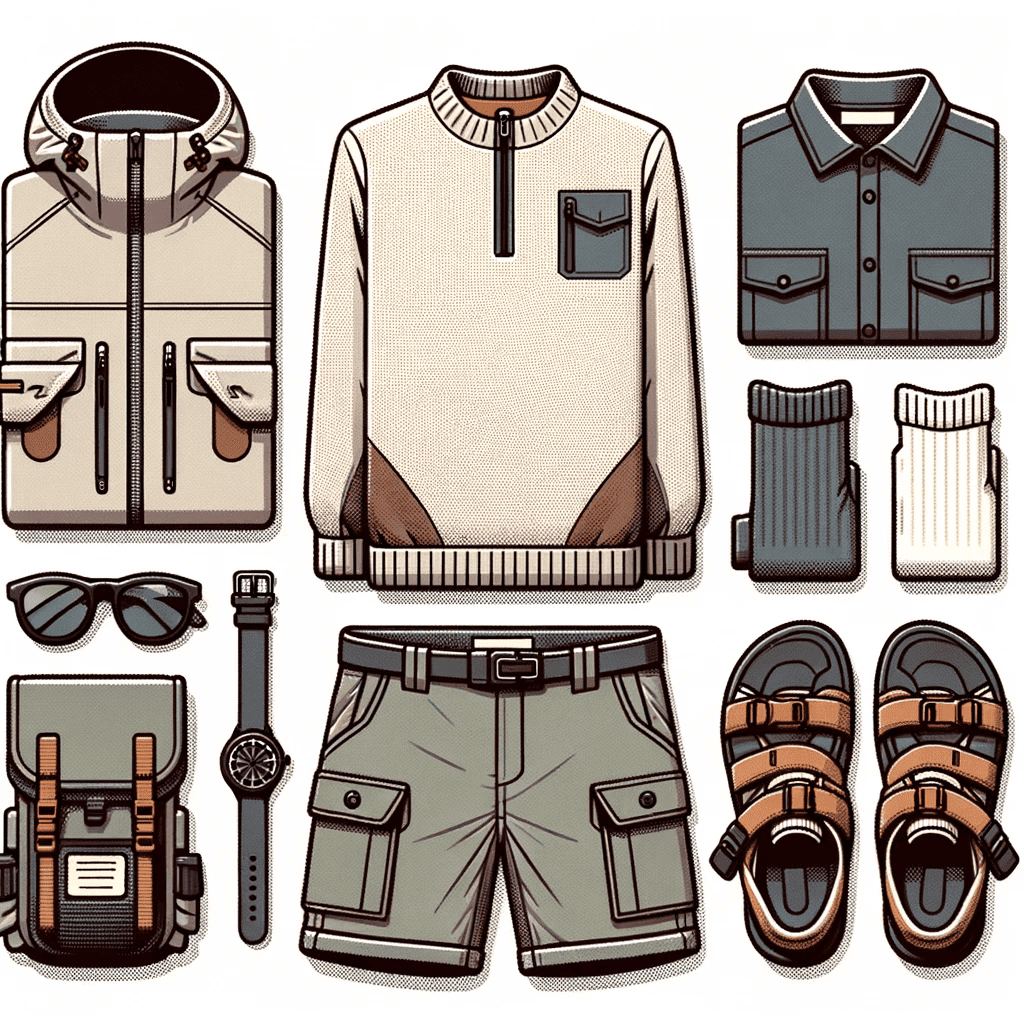
When it comes to packing light for backpacking, choosing the right clothing is crucial. Different climates and activities require specific apparel to ensure comfort and adaptability. The key to an efficient wardrobe is versatility, allowing you to mix and match items while minimizing the number of pieces.
Layering techniques are a backpacker’s best friend. By wearing multiple layers, you can easily adapt to changing weather conditions without carrying excess weight.
Start with base layers made from moisture-wicking fabrics like merino wool or synthetic fibers. These materials effectively pull sweat away from your skin, keeping you dry and comfortable during intense physical activity.
Mid-layers provide insulation when temperatures drop. Opt for lightweight insulating materials such as fleece or down jackets that trap body heat while still being compressible enough to pack easily.
Fleece is particularly versatile, working well both as a standalone layer in cool weather or as part of a layered system in colder climates. Outer layers are your first line of defense against wind, rain, and snow.
Invest in a waterproof and windproof jacket that offers both protection from the elements and breathability to prevent overheating during strenuous activities. Look for features like adjustable hoods and ventilation options to ensure maximum comfort.
In addition to these layering essentials, pack multi-purpose clothing items like convertible pants or sarongs that can serve multiple purposes. Convertible pants allow you to switch between shorts and long pants depending on the temperature or terrain, saving space in your backpack by eliminating the need for separate items.
Lightweight and Compact Gear Essentials

To further reduce weight while backpacking without compromising functionality, selecting lightweight gear is essential. Focus on high-quality equipment designed specifically for backpacking adventures that prioritize durability alongside weight reduction. One of the most important gear choices for backpackers is the backpack itself.
Look for a high-quality, lightweight backpack that offers proper support systems such as padded shoulder straps and an adjustable hip belt. These features help distribute weight evenly and prevent strain on your back during long hikes.
When it comes to sleeping gear, prioritize compactness without sacrificing comfort. Choose a compact sleeping bag that can be compressed to save space in your backpack while still providing sufficient insulation for various weather conditions.
Consider the expected temperatures during your trip and select a bag with an appropriate temperature rating. Similarly, invest in a lightweight and compact tent that offers both protection from the elements and easy setup.
Look for materials like silnylon or cuben fiber, which are known for their ultralight properties while maintaining durability in challenging environments. In terms of sleeping pads, inflatable or foam options are both lightweight choices that provide insulation from the ground.
Consider factors such as size, weight, insulation capabilities, packability, and comfort when selecting a sleeping pad that suits your needs. By carefully considering clothing choices and selecting lightweight yet functional gear essentials like backpacks, sleeping gear, and tents, you can significantly reduce overall pack weight while ensuring you have everything you need to enjoy a comfortable backpacking experience.
Strategies for Efficient Packing
Organization techniques to maximize space in the backpack
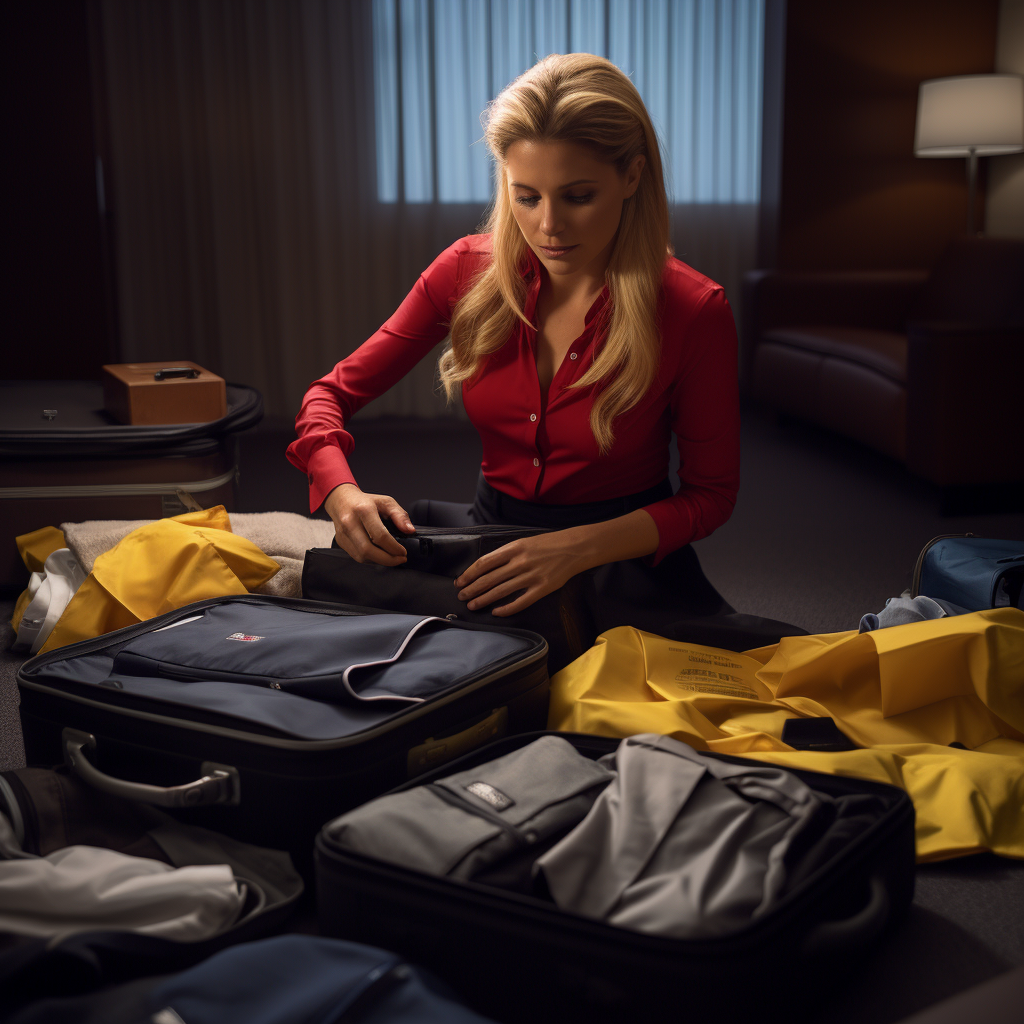
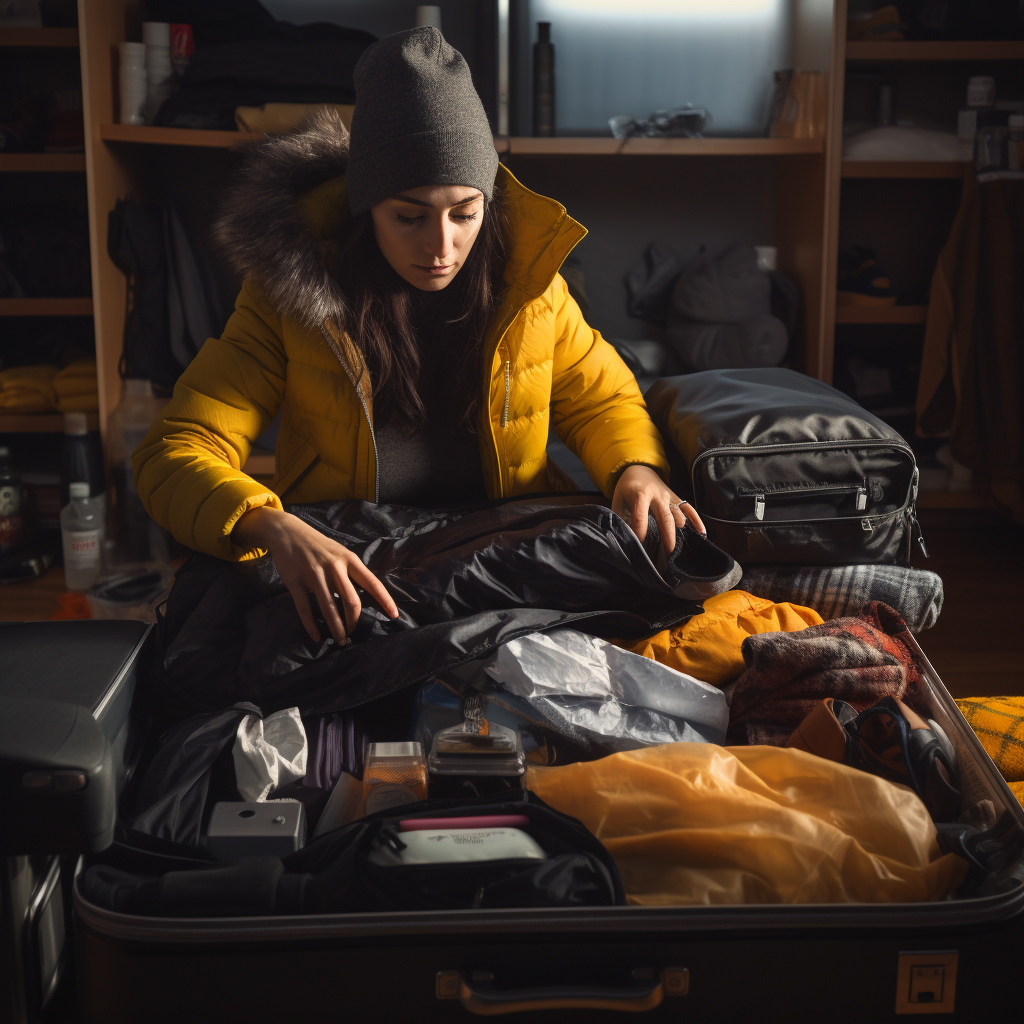
Efficient organization is key when it comes to packing light for backpacking adventures. By employing smart strategies, you can optimize the limited space in your backpack and ensure that everything you need fits snugly. One effective technique is rolling clothes instead of folding them.
This method not only minimizes wrinkles but also saves a significant amount of space. Start by laying out your garments flat and then tightly roll them up, creating compact cylindrical shapes that can be neatly stacked within your backpack.
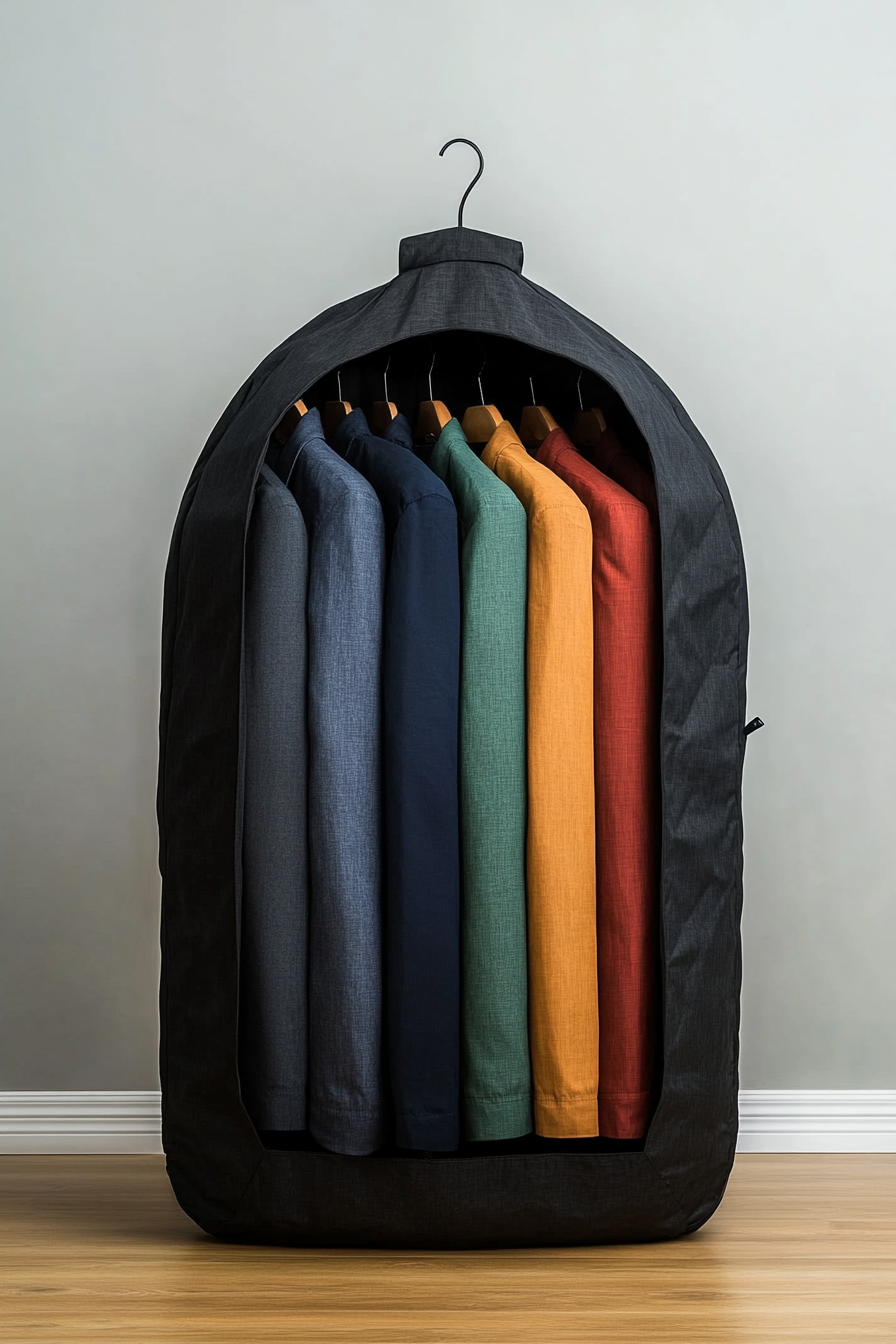
Another valuable tool for efficient organization is the utilization of packing cubes or compression bags. These innovative accessories allow you to categorize items and compress them, further reducing their size while keeping them organized and easily accessible.
Packing cubes come in various sizes and can be used to separate different types of clothing or group outfits together. Compression bags are particularly useful for compressible items like sleeping bags or puffy jackets, as they squeeze out excess air and minimize their volume, ultimately maximizing precious space in your backpack.
Minimizing toiletries and personal care items
When it comes to toiletries and personal care items, minimizing both size and weight is essential for a lightweight backpacking experience. One effective strategy is opting for solid toiletries such as shampoo bars or soap bars instead of traditional liquid products. These solid options not only eliminate the need for bulky containers but also last longer, offering multiple uses without sacrificing cleanliness or hygiene.
Additionally, sharing common items within a travel group can significantly reduce the overall weight carried by each individual. For instance, if traveling with friends or family members who use similar skincare products or first aid supplies, consider consolidating those items into a single container that everyone can share.
This way, you avoid duplicating unnecessary weight while still ensuring everyone’s needs are met adequately. By implementing these efficient packing strategies, you can maximize the limited space in your backpack, reducing both weight and bulk while staying organized and well-prepared for your backpacking adventure.
Tips for Reducing Weight Further
Researching Available Alternatives
Unearthing Innovative Solutions for a Featherlight Backpack When aiming to reduce weight further in your backpack, conducting thorough research on available alternatives is key.
Start by exploring the latest advancements in lightweight gear specifically designed for backpackers.
Manufacturers now offer an array of ultralight equipment without compromising on quality or durability. Consider investing in lighter alternatives such as titanium cookware, which significantly reduces the weight of your kitchen essentials.
Additionally, opt for lightweight sleeping systems made from innovative materials like inflatable pillows or compact camping hammocks that can serve as a comfortable and space-saving alternative to traditional tents.
Furthermore, research different packing techniques to optimize space utilization in your backpack. Techniques like the “ranger roll” not only save space but also help prevent wrinkles and creases in your clothes.
Explore minimalist travel philosophies such as “one-bag travel” or “ultralight travel,” which encourage travelers to minimize their possessions and focus on experiences rather than material goods.
Conclusion
Subtitle: Embracing the Freedom of Lighter Travel Packing light is an essential skill for any backpacker seeking mobility, flexibility, and cost-effectiveness during their adventures.
By carefully selecting versatile clothing items, investing in lightweight gear options, utilizing efficient packing techniques, and researching innovative alternatives available on the market today – travelers can shed unnecessary weight while still being adequately prepared. Remember that packing light is not only about reducing physical burden but also about embracing a mindset of simplicity and liberation.
By traveling with less baggage both physically and mentally, you open yourself up to new experiences and possibilities along the way. So pack smartly, venture out with a light load on your back, and let the journey unfold with unburdened enthusiasm!