Introduction
When it comes to making a lasting impression, the importance of wrinkle-free clothing cannot be overstated. Whether you are heading to a business meeting, a social event, or simply going about your day-to-day activities, wearing garments that are free from unsightly creases and wrinkles instantly elevates your overall appearance. Wrinkle-free clothing exudes an air of sophistication and professionalism, conveying to others that you care about your personal presentation.
However, maintaining wrinkle-free garments can be quite the challenge. The hectic pace of modern life often leaves little time for meticulous ironing or steaming sessions.
Additionally, certain fabrics are prone to stubborn wrinkles that seem impossible to eliminate. It is this delicate balance between looking polished and the arduous task of keeping clothes free from creases that we will explore in this comprehensive guide.

The Importance of Wrinkle-Free Clothing
Imagine stepping into a room with confidence, knowing that your attire reflects your attention to detail and impeccable taste. Wrinkle-free clothing allows you to make a powerful first impression in both professional and social settings.
It signals that you take pride in your appearance and showcases your commitment to presenting yourself in the best possible light. Beyond aesthetic considerations, wrinkle-free clothing also offers practical benefits.
Eliminating those unsightly creases not only enhances your overall look but also saves valuable time each day. Those precious minutes you would otherwise spend wrestling with an iron or steamer can now be redirected towards more productive endeavors or moments of self-care.
An Overview of the Benefits and Challenges
Maintaining wrinkle-free garments brings forth an array of advantages along with its fair share of challenges. On one hand, wearing clothes without wrinkles fosters self-confidence while ensuring a polished appearance at all times. However, the path to wrinkle-free clothing is not without obstacles.
Certain fabrics, like natural fibers such as cotton and linen, are notorious for their propensity to wrinkle easily. This presents an ongoing challenge for those who prefer these materials but struggle to keep them crease-free.
Furthermore, the demands of a busy lifestyle can make it difficult to dedicate sufficient time and effort towards garment care. Juggling work, family responsibilities, and social engagements often leaves little room for extensive ironing or steaming routines.
Yet, fear not! In the following sections of this article, we will explore various strategies and techniques that will help you overcome these challenges and maintain wrinkle-free garments with ease
Understanding Fabrics

Different types of fabrics and their wrinkle-prone nature
Fabrics play a significant role in determining whether your garments will succumb to wrinkles or retain a smooth, crisp appearance. Understanding the nature of different fabrics can help you make informed choices when selecting clothes and choosing appropriate care methods.
Natural fibers like cotton and linen, for instance, are known to be more prone to wrinkling due to their inherent structure. These fibers have irregularities that easily crease, resulting in an increased likelihood of wrinkles forming during wear or storage.
On the other hand, synthetic fibers such as polyester and nylon tend to be more resistant to wrinkling due to their smoother texture and ability to bounce back into shape.
Natural fibers (cotton, linen) vs. Synthetic fibers (polyester, nylon)
Cotton is a widely popular natural fiber known for its breathability and comfort. However, it is notorious for its susceptibility to wrinkles. The cellulosic structure of cotton allows moisture absorption, making it prone to retaining creases caused by folding or sitting during extended periods.
Linen shares similar characteristics with cotton but exhibits even greater wrinkling tendencies due to its looser weave and higher moisture absorption capacity.
In contrast, synthetic fibers like polyester and nylon possess inherent wrinkle-resistant properties that make them an excellent choice for those seeking low-maintenance clothing options. Polyester is highly resilient against creasing as it has superior elasticity compared to natural fibers.
Nylon also boasts impressive wrinkle resistance due to its smooth surface texture which prevents folds from settling into permanent creases.
Blended fabrics and their wrinkle-resistant properties
Blended fabrics combine both natural and synthetic fibers in varying proportions resulting in enhanced performance characteristics while mitigating some of the disadvantages associated with individual fabric types. For instance, a common blend is cotton-polyester, which combines the breathability of cotton with the wrinkle-resistant nature of polyester.
This combination presents a fabric that is not only more durable and easy to care for but also less prone to wrinkling. Similarly, blends featuring nylon can offer improved wrinkle resistance due to its inherent properties.
It is important to note that while blended fabrics provide added benefits in terms of wrinkle resistance, the proportion and quality of the fibers used can vary. Therefore, it is advisable to carefully read garment labels or consult with manufacturers to ensure you select high-quality blends that offer optimal performance and longevity.
Understanding the unique characteristics and tendencies of different fabrics empowers you in selecting garments that suit your preferences and lifestyle while reducing the effort required to maintain their wrinkle-free appearance. By choosing fabrics wisely, you can minimize the time spent on ironing or steaming clothes, allowing for a more efficient and enjoyable daily routine.
Preparing Your Clothes for Wrinkle-Free Wear
Sorting clothes by fabric type and care instructions
When it comes to maintaining wrinkle-free garments, one of the first steps is to sort your clothes according to their fabric type and care instructions. This simple act can make a world of difference in preventing unsightly creases.
Start by separating your laundry into two main categories: natural fibers and synthetic fibers. Natural fibers such as cotton and linen tend to be more prone to wrinkling, while synthetic fibers like polyester and nylon are generally more wrinkle-resistant.
Delicate fabrics that require special attention (silk, cashmere)
Within the natural fiber category, certain fabrics warrant extra care due to their delicate nature. Silk and cashmere, for instance, are beloved for their luxurious feel but can be easily damaged if not handled properly. To maintain these fabrics’ long-lasting beauty, consider hand-washing them using a gentle detergent specifically designed for delicate materials.
Alternatively, you can opt for professional dry cleaning services that specialize in handling such fragile garments. By giving these fabrics the attention they deserve during the cleaning process, you’ll help preserve their natural luster while minimizing the risk of wrinkles.
Proper laundering techniques to minimize wrinkles
Once you’ve sorted your clothes by fabric type, it’s important to employ proper laundering techniques that aim to reduce wrinkles. Selecting the appropriate water temperature is crucial in this regard – using hot water on certain fabrics may lead to shrinkage and increased wrinkling.
Opt for cooler temperatures instead; warm or cold water is generally suitable for most garments. Additionally, choosing a gentle cycle setting on your washing machine will help prevent excessive agitation that could cause unnecessary creasing.
Choosing the right detergent for your garments
Another vital consideration in preparing your clothes for wrinkle-free wear is selecting the right detergent. Look for detergents that are labeled as gentle or suitable for delicate fabrics. These detergents are formulated to be milder and less abrasive, reducing the likelihood of causing damage or wrinkles to your clothes.
Avoid using harsh chemicals or bleach, as they can weaken the fabric fibers and affect their wrinkle-resistance properties. By using a suitable detergent and following proper laundering techniques, you’ll ensure that your clothes come out of the washing machine as fresh and wrinkle-free as possible.
By taking these preparatory steps, sorting your clothes by fabric type, and carefully following appropriate laundering techniques with gentle detergents, you set a solid foundation for achieving wrinkle-free wear. Next, we will delve into effective drying techniques to further enhance the smoothness and impeccable appearance of your garments.
Drying Techniques for Wrinkle-Free Results
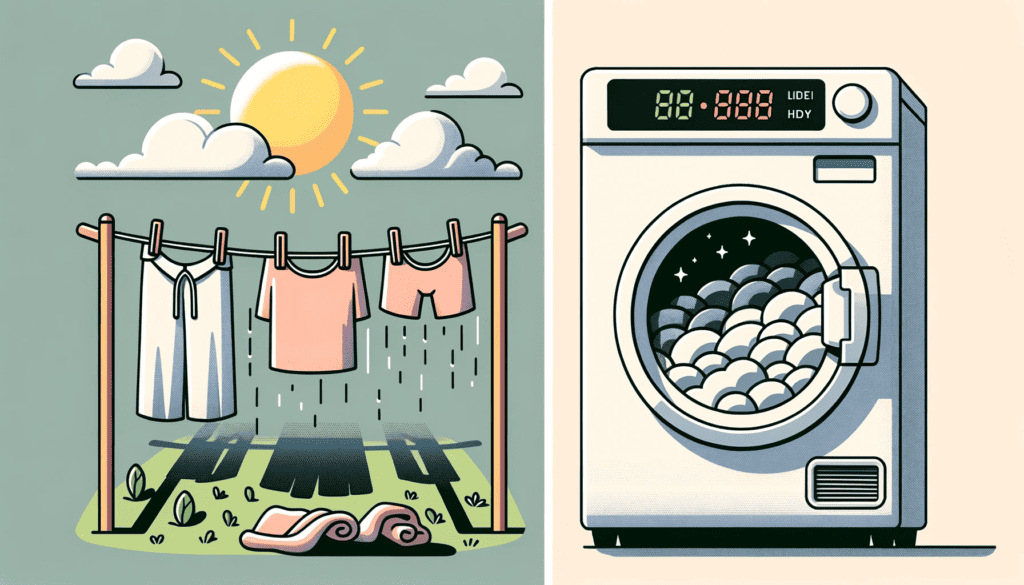
Air Drying vs Machine Drying: Pros and Cons
When it comes to drying your clothes, you have two main options: air drying or machine drying. Each method has its own advantages and disadvantages. Air drying, as the name suggests, involves hanging your clothes to dry naturally without the use of any mechanical devices.
This method is gentle on fabrics and helps prevent excessive heat damage that can lead to wrinkles or shrinkage. Air drying also conserves energy since it doesn’t require electricity or gas-powered appliances.
However, air drying does come with some drawbacks. It generally takes longer for clothes to completely dry compared to using a machine dryer, especially in humid conditions or during colder seasons.
Additionally, air-dried clothes can sometimes feel a bit stiff, especially if you live in an area with hard water. Despite these limitations, air drying can be a great option for more delicate fabrics that are prone to wrinkling such as silk or cashmere.
On the other hand, machine drying offers convenience and speed in getting your clothes ready-to-wear. Modern tumble dryers come equipped with various settings that allow you to customize the heat levels and duration of the cycle according to different fabric types.
Machine drying ensures efficient evaporation of moisture which helps in reducing wrinkles effectively. However, it is essential to pay attention to garment care labels and avoid using high heat settings on delicate fabrics like silk or wool.
Utilizing Tumble Dryers Effectively to Prevent Wrinkles
To maximize wrinkle prevention when using a tumble dryer, there are a few key tips to keep in mind: 1. Avoid overcrowding: Ensure there is enough room for the garments inside the dryer drum so that they have space to move around freely while tumbling. Overcrowding can hinder airflow and lead to uneven drying and increased chances of wrinkling.
2. Shake out garments beforehand: Before placing your clothes in the dryer, give them a gentle shake to remove any wrinkles that may have formed during the washing process. This simple step can help prevent those wrinkles from setting during drying.
3. Remove clothes promptly: As soon as the dryer cycle ends, promptly remove your clothes and fold or hang them immediately. Leaving damp clothes sitting in the dryer can result in unwanted creasing and set-in wrinkles.
Adding Dryer Balls or Tennis Balls to Fluff Up Clothes While Drying
To further enhance wrinkle prevention during machine drying, you can utilize the power of dryer balls or tennis balls. These small, lightweight objects play a big role in maintaining the integrity and smoothness of your garments. When placed along with your wet clothes in the tumble dryer, they serve as mechanical agitators that gently massage fabrics while they dry.
Dryer balls or tennis balls work by separating garments from each other, which helps improve airflow and prevents them from clumping together. This separation allows hot air to circulate more efficiently around each item, reducing both drying time and wrinkling potential.
Moreover, they also help soften fabrics naturally without relying on chemical-laden fabric softeners. When using this technique, it is advisable to use two or three dryer balls or tennis balls for optimal results.
It’s important to ensure that these objects are clean before using them with your laundry to avoid transferring dirt or color onto your garments. By employing these effective drying techniques and utilizing innovative tools like dryer balls or tennis balls, you can significantly reduce wrinkles in your clothing while maintaining their quality and appearance.
Ironing Tips for a Smooth Finish (when necessary)
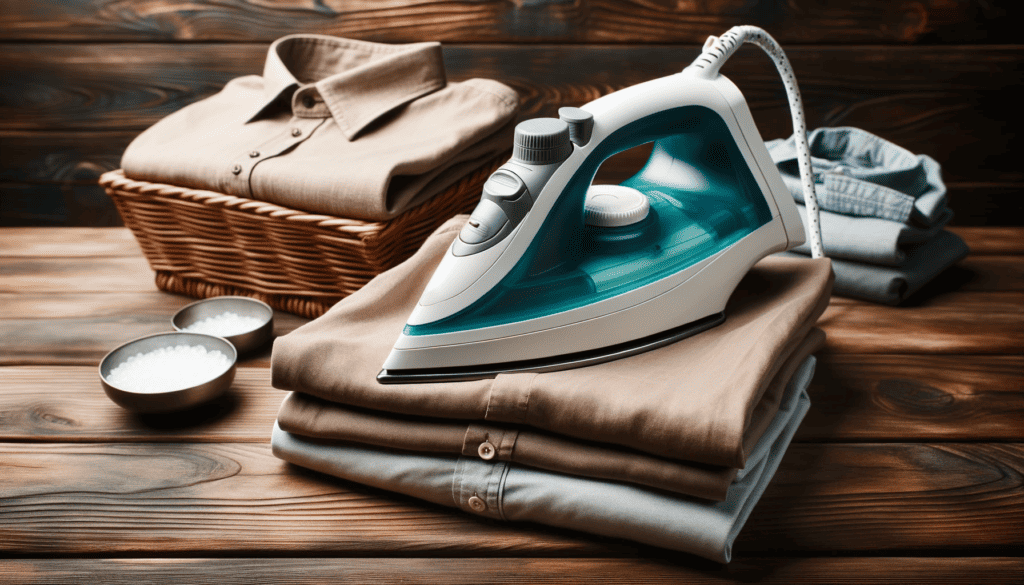
Understanding ironing temperatures based on fabric types
When it comes to ironing clothes, understanding the appropriate temperature settings for different fabric types is crucial in achieving wrinkle-free perfection. Delicate fabrics such as silk and cashmere require extra care as they are susceptible to heat damage. Set your iron to low heat or use the silk/delicate setting if available.
Synthetic fabrics like polyester and nylon can withstand slightly higher temperatures, so a medium heat setting is suitable for them. On the other hand, cotton and linen blends can tolerate high heat, making them perfect candidates for a hot iron.
Ironing techniques to minimize creases and achieve a professional look
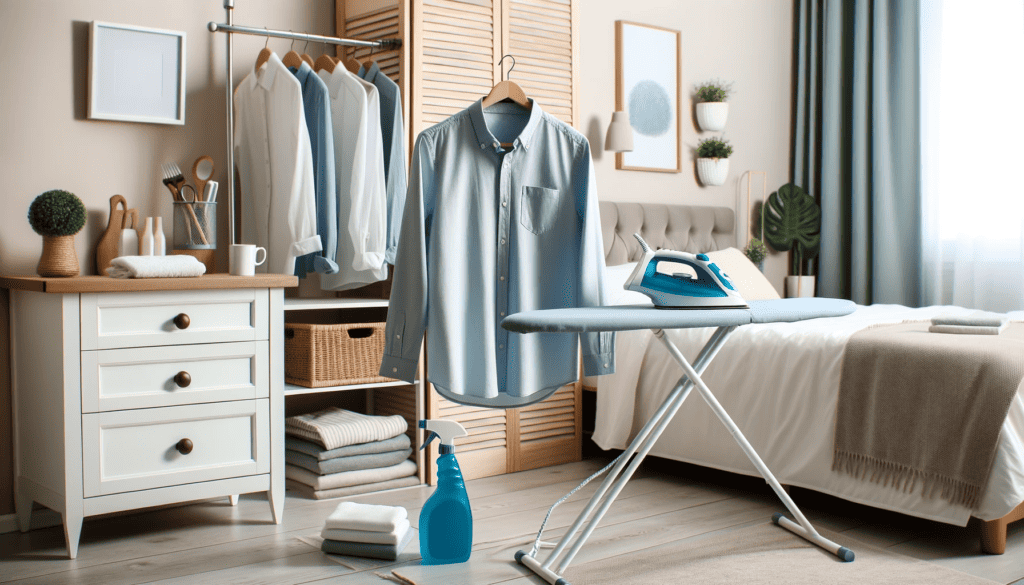
To ensure a polished appearance while ironing, it is important to follow proper techniques that minimize creases and result in a professional finish. Start by ironing clothes inside out whenever possible, as this helps protect the outer surface from direct contact with heat.
For shirts, begin with the collar, moving down to the cuffs and sleeves before tackling the body of the garment. Use light pressure when pressing down with the iron and maintain smooth movements in long strokes along the fabric’s grain.
Steam iron vs dry iron: which one suits your needs?
The choice between using a steam iron or a dry iron depends on your specific needs and preferences. A steam iron utilizes water vapor released through built-in vents to penetrate fabric fibers effectively, relaxing wrinkles more efficiently than its dry counterpart.
This makes it ideal for cutting down on pressing time while imparting garments with a crisp appearance. However, some delicate fabrics may be better suited for dry irons without steam function to prevent any potential water damage or staining.
Proper ironing board setup and positioning
Creating an optimal setup for your ironing board is essential for achieving wrinkle-free results. Begin by ensuring the ironing board is sturdy and set at a comfortable height to avoid strain while ironing. Cover the board with a clean, heat-resistant cover that provides a smooth surface for easy gliding of the iron.
Position the ironing board near an electrical outlet for convenience and ensure ample lighting in your workspace to effectively see any wrinkles or creases on garments. Remember, practice makes perfect when it comes to ironing.
Taking the time to learn these techniques and understanding which setting is suitable for different fabrics will help you achieve impeccable results every time. With patience and attention to detail, you can master the art of wrinkle-free clothing, ensuring you always step out in style with garments that look freshly pressed.
Special Tricks to Keep Clothes Wrinkle-Free
Rolling clothes instead of folding them when packing
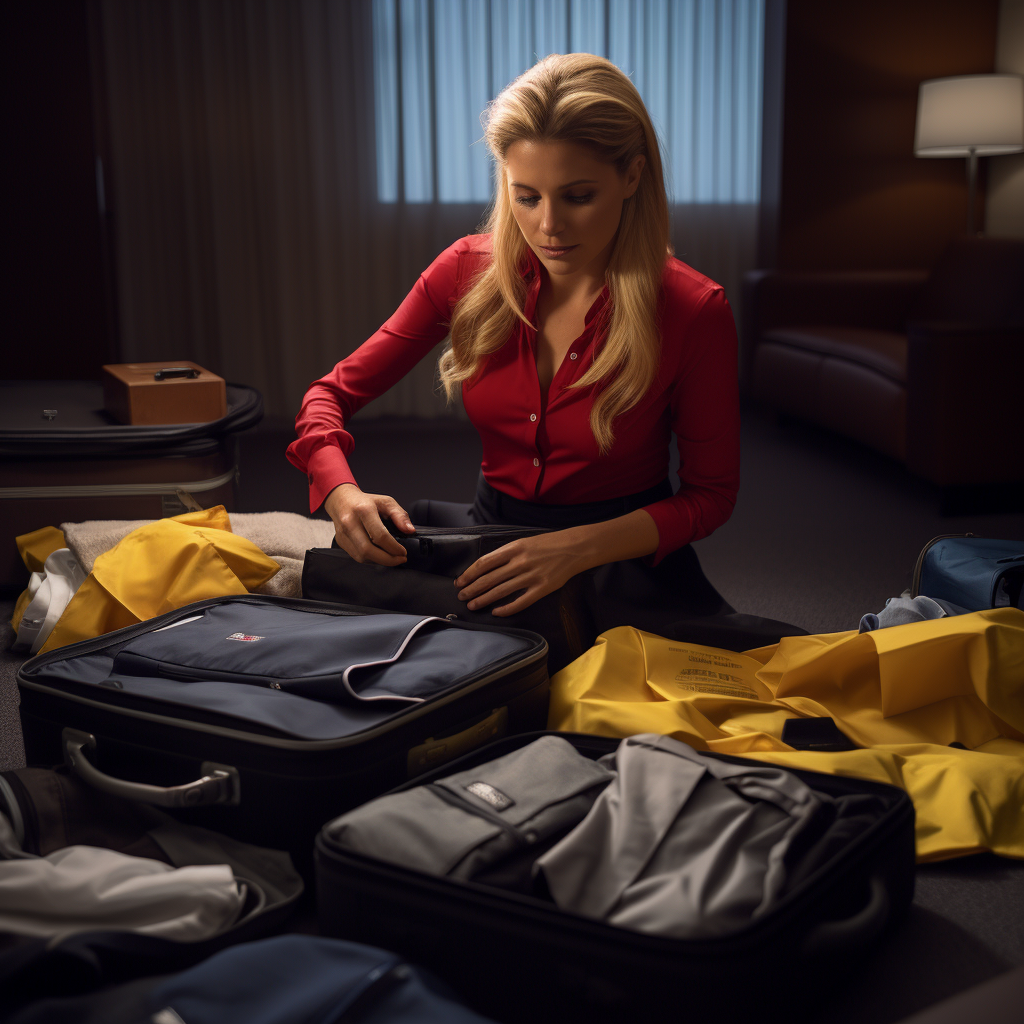
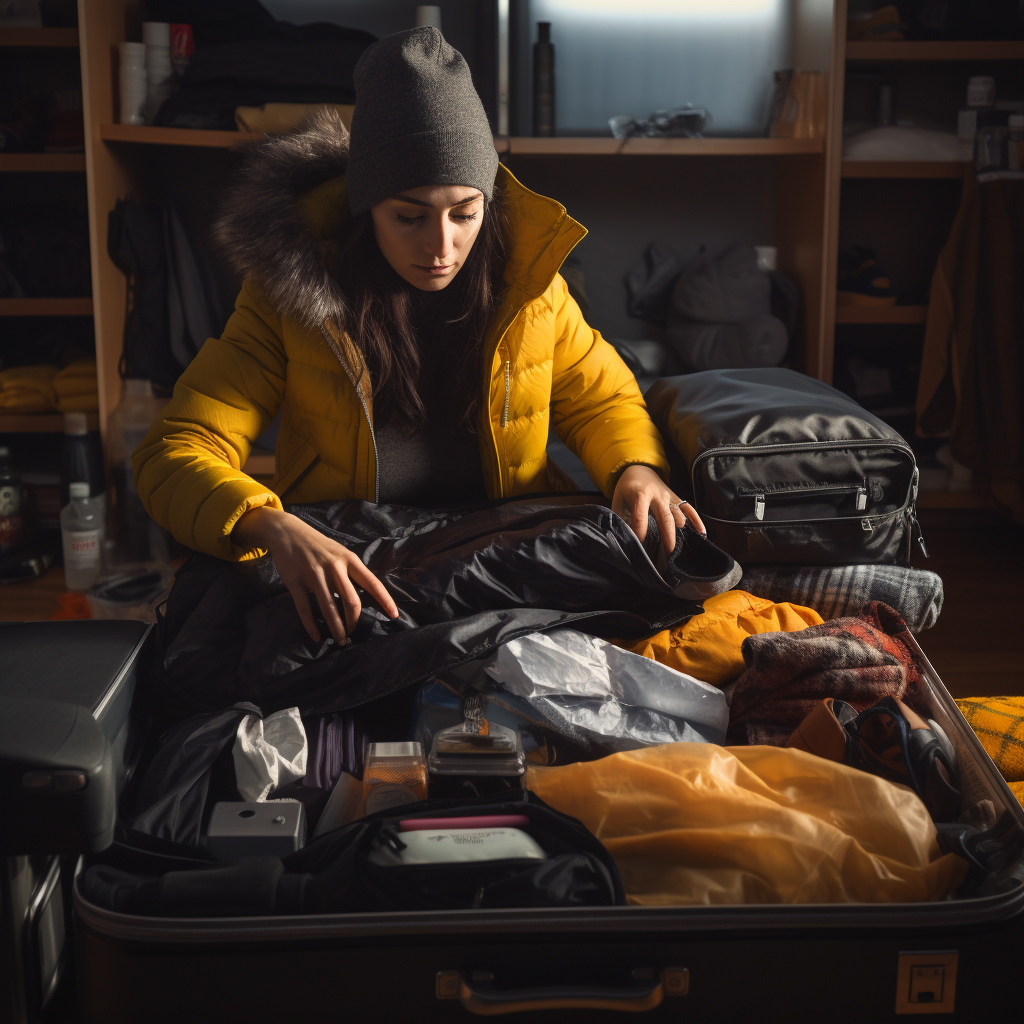
When it comes to traveling, the way you pack your clothes can make a world of difference in keeping them wrinkle-free. Instead of the traditional method of folding garments, consider rolling them. Rolling your clothes not only saves space but also minimizes creasing.
Start by laying the garment flat and then tightly roll it up, starting from one end to the other. For delicate items like blouses or dress pants, place tissue paper between layers to prevent any unwanted wrinkles.
Once rolled, carefully arrange these compact bundles in your suitcase or travel bag. This technique is particularly effective for lightweight fabrics and will ensure that you arrive at your destination with crisp attire.
Hanging clothes properly in closets with enough space between garments
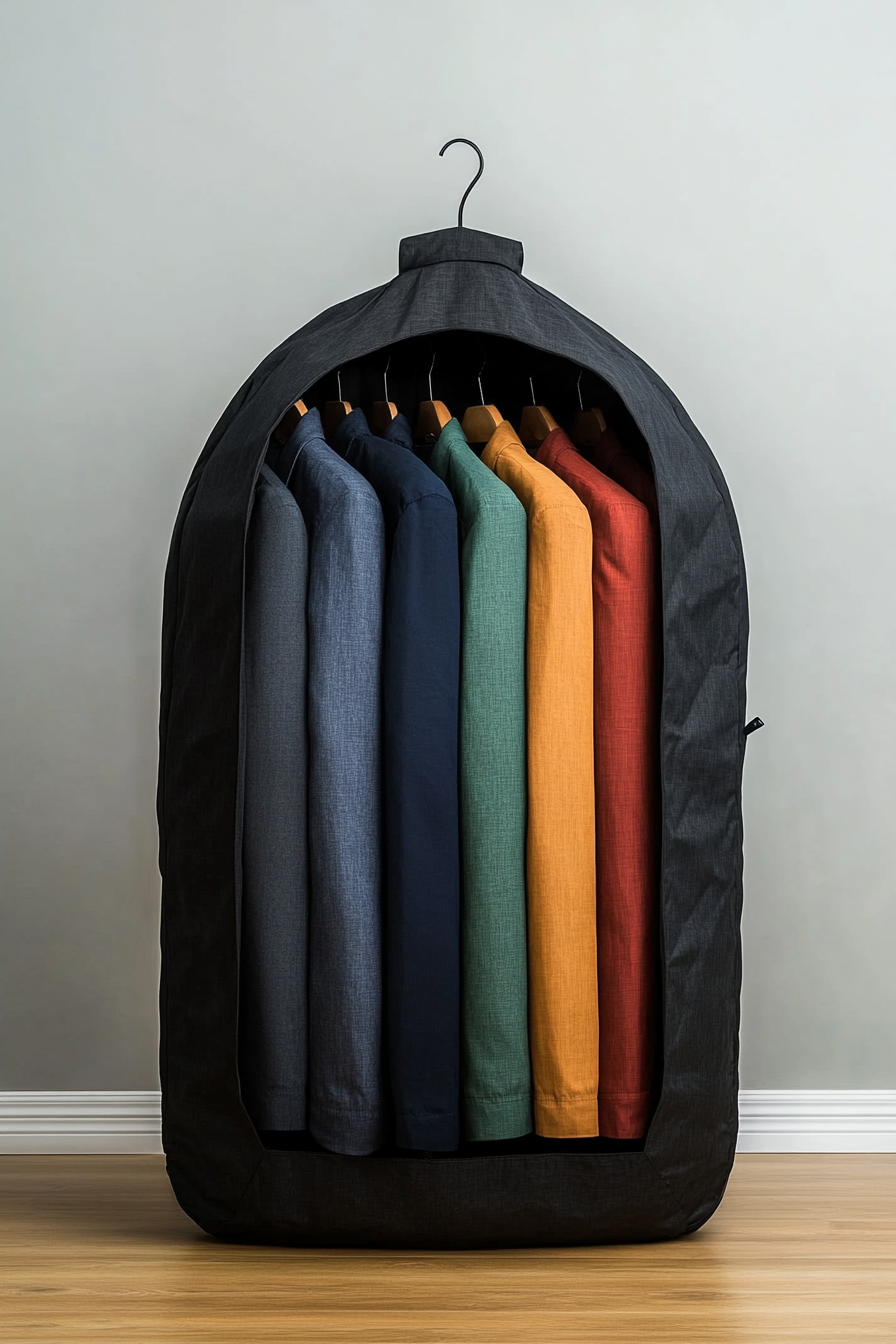
Properly hanging your clothes is essential for maintaining their wrinkle-free appearance within your closet. First and foremost, invest in good-quality hangers that adequately support the weight and shape of your garments without causing any damage or stretching. Avoid using wire hangers as they can leave unsightly marks on clothing shoulders
Additionally, ensure there is sufficient space between each garment to allow for air circulation and prevent unnecessary wrinkles from developing over time. Heavier items such as coats or jackets should be hung on sturdy hangers with broad shoulders to retain their shape.
Conclusion
Maintaining wrinkle-free clothing may seem like a daunting task, but with a few simple tricks up your sleeve, you can effortlessly achieve a polished look every time you get dressed. By understanding fabrics’ properties and following proper care instructions during laundering and drying techniques, you can minimize wrinkles from forming in the first place.
Additionally, employing special tricks like rolling clothes when packing and hanging garments properly in closets will further preserve their pristine appearance. Remember that investing a little extra time and effort in caring for your clothes will not only extend their lifespan but also enhance your overall style.
With these wrinkle-free clothing tips, you can confidently stride through life, knowing that your attire always exudes elegance and sophistication. So embrace the art of garment care, and let your flawless wardrobe be a reflection of your impeccable taste and attention to detail.