Introduction
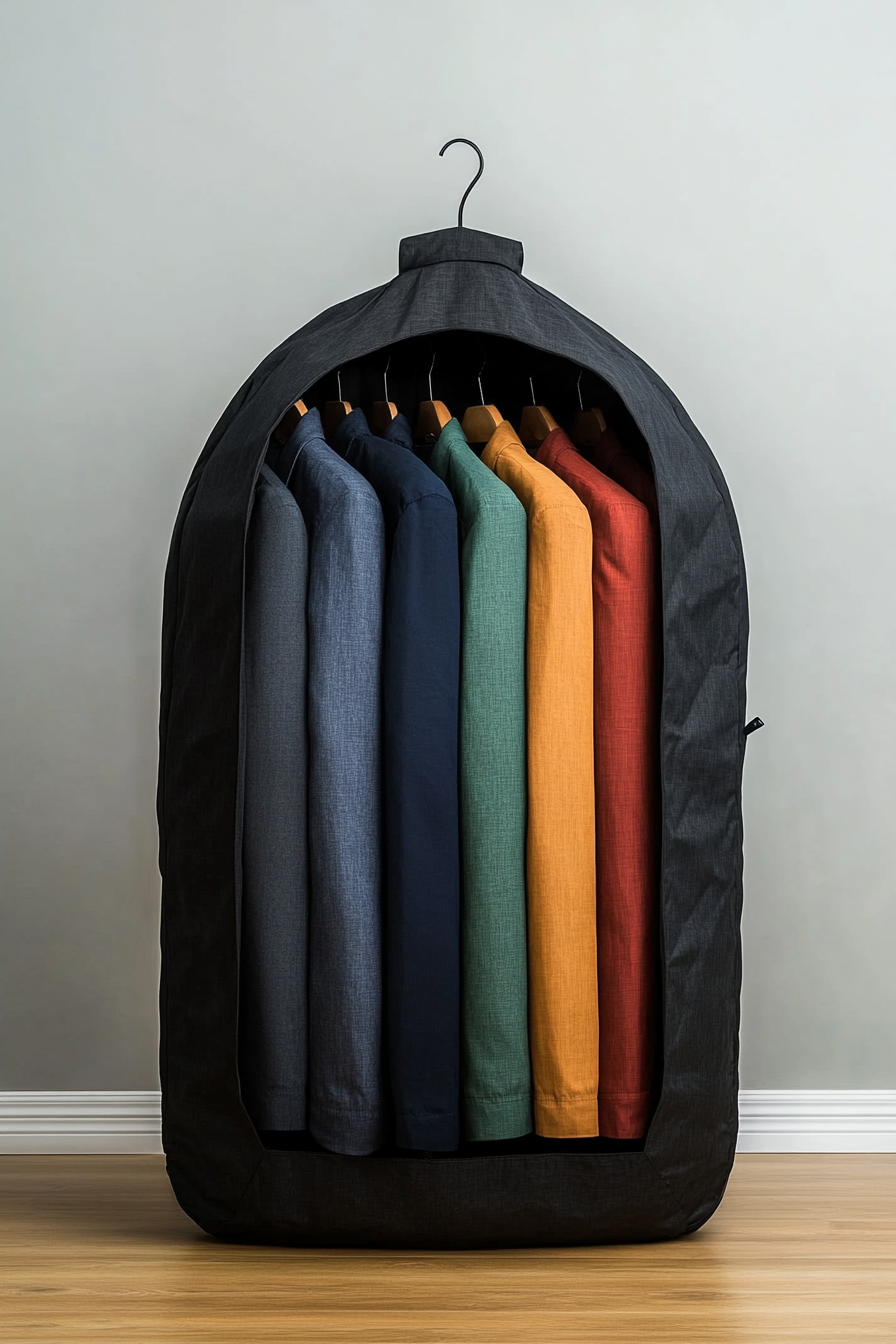
Space-saving techniques have become increasingly relevant in our modern lives, where limited space is a common challenge. Whether it’s in our homes, offices, or even during travel, finding ways to optimize the space we have can greatly improve efficiency and functionality. Vacuum sealing is one such technique that has gained popularity for its remarkable ability to save space while providing various benefits.
Definition of Vacuum Sealing
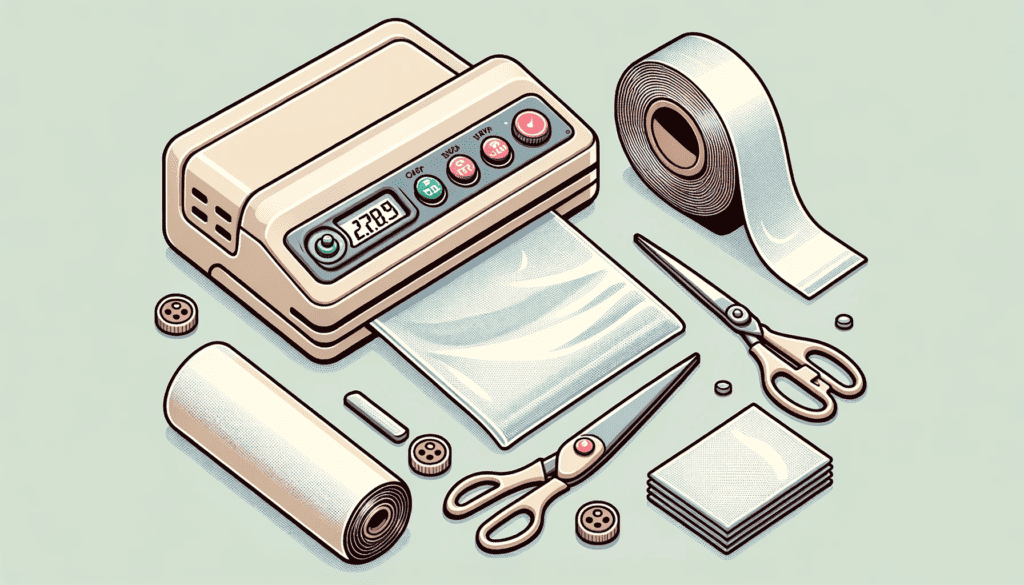
Vacuum sealing refers to the process of removing air from a package or container and creating a tight seal to prevent air re-entry. This technique involves the use of specialized equipment known as vacuum sealers, which extract air from the packaging material or container using either suction or displacement methods. The resulting vacuum-packed items are tightly compressed and protected from external factors such as moisture, dust, and pests.
Importance of Space-Saving Techniques in Various Areas of Life
The importance of space-saving techniques cannot be overstated as they provide us with practical solutions for managing our living spaces more efficiently. In our homes, employing space-saving measures allows us to make the most out of smaller rooms or apartments while keeping them organized and clutter-free.
It facilitates better utilization of kitchen cabinets and pantries, closets, and storage areas by reducing excess volume. In office settings, where workspace is often at a premium, implementing space-saving techniques can enhance productivity by providing employees with an organized environment that fosters concentration and creativity.
Moreover, when it comes to traveling – whether for business or leisure – effective utilization of luggage space becomes crucial. By optimizing packing methods through techniques like vacuum sealing, travelers can fit more clothes and essentials into their suitcases without sacrificing style or convenience.
Understanding Vacuum Sealing
The Art of Creating Space Through Air Elimination
Vacuum sealing, though it may sound like a complex process, is a remarkably simple yet effective technique for creating space and preserving items. It involves the removal of air from the packaging material to create a vacuum-like environment within. This can be achieved through the use of specialized machines or alternative methods that we will explore later in this article.
The first step in the vacuum sealing process is the removal of air from the packaging material. This is typically done using a vacuum sealer machine or handheld device specifically designed for this purpose.
The packaging material, such as plastic bags or containers, is carefully placed within the machine, and as it activates, air is effectively sucked out. The result is an airtight package that significantly reduces the volume occupied by its contents.
Creating a tight seal to prevent air re-entry is equally crucial in vacuum sealing. Once the air is removed, it’s essential to ensure that no new air can find its way back into the package.
Vacuum sealer machines are equipped with heat-sealing mechanisms that seal the packaging material shut after removing the air. This seal acts as an impenetrable barrier against external factors such as moisture, dust, and pests that could compromise both space-saving efforts and item preservation.
The Benefits of Vacuum Sealing for Space-Saving
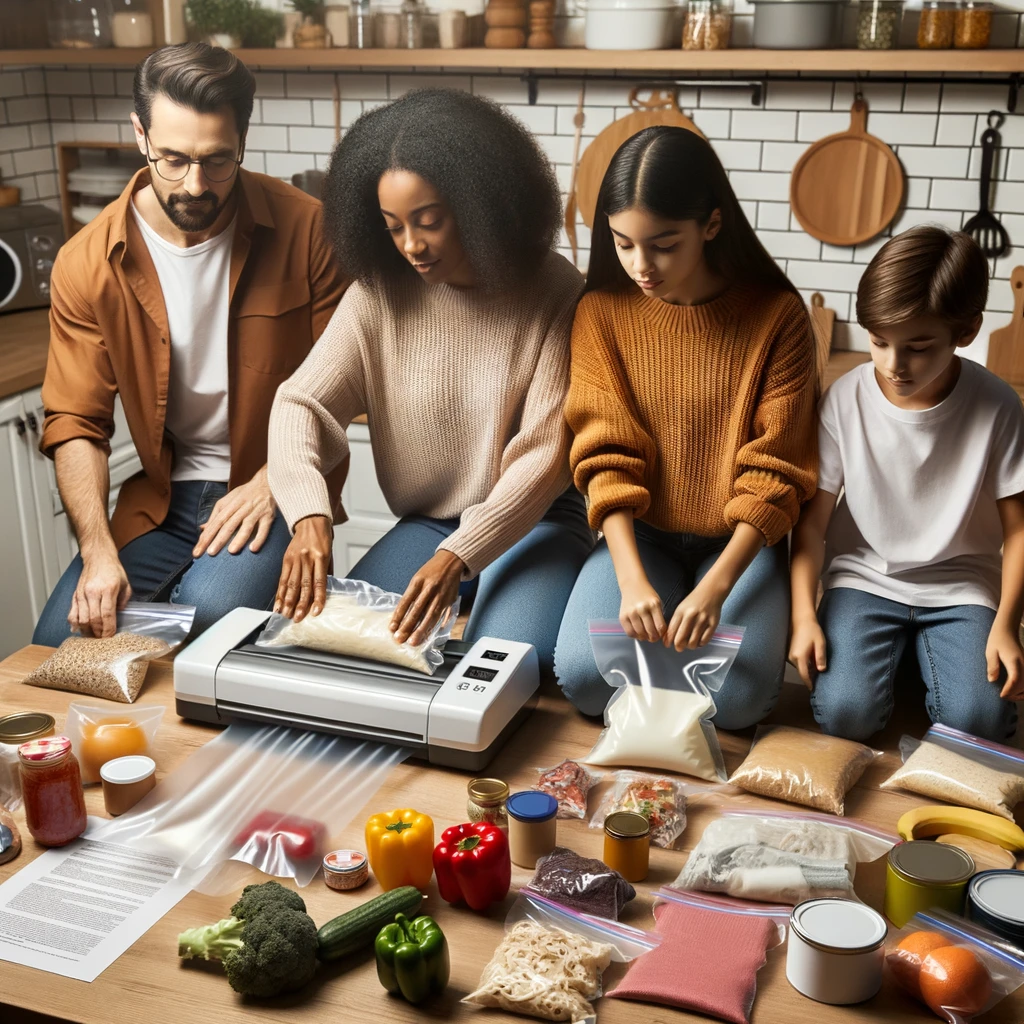
The art of vacuum sealing offers distinct advantages when it comes to creating space in various aspects of life. One notable benefit lies in its ability to reduce volume occupied by items significantly. By eliminating excess air trapped within packages, items can be neatly compacted without compromising their integrity or functionality.
In addition to saving space, vacuum sealing also provides protection against common adversaries such as moisture, dust, and pests. The absence of oxygen within vacuum-sealed packages minimizes moisture accumulation and prevents oxidation processes that lead to spoilage or degradation.
This makes vacuum sealing an excellent preservation technique for a wide range of items, including food, documents, and even precious keepsakes. Furthermore, the vacuum-sealed barrier acts as an effective shield against dust particles that can accumulate over time and compromise the quality of stored items.
The reduction in air also prevents pests such as insects or rodents from infiltrating and contaminating the contents of the package. Whether it’s safeguarding food from pantry pests or protecting delicate fabrics from moth damage during long-term storage, vacuum sealing proves its worth in preserving both space and item quality.
Vacuum sealing is a simple yet powerful technique that removes air from packaging materials to create space while simultaneously safeguarding contents against moisture, dust, and pests. By understanding the process behind vacuum sealing and its associated benefits, individuals can harness this method to optimize storage solutions and extend the lifespan of various items in their everyday lives.
Vacuum Sealing Techniques and Tools
Vacuum sealer machines
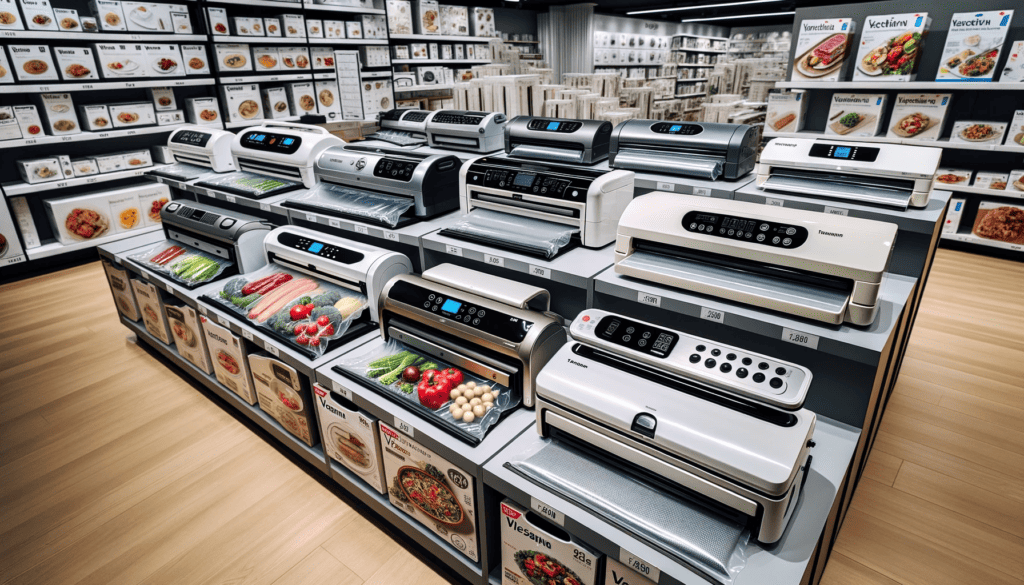
When it comes to vacuum sealing, there are various machines available to cater to different needs. The two main types of vacuum sealer machines are handheld and countertop models.
Handheld vacuum sealers are compact, portable, and perfect for occasional use or travel. They require manual operation but offer convenience on the go.
On the other hand, countertop models are more robust and suitable for regular use, ideal for home kitchens or commercial settings where a higher volume of items needs to be sealed. When purchasing a vacuum sealer machine, several features should be considered.
Firstly, one choice is between automatic and manual operation. Automatic sealers detect the bag insertion and automatically start the sealing process, while manual ones require you to press a button to initiate sealing.
Secondly, compatibility with different packaging materials is crucial since vacuum sealers work with various bags and rolls made from materials like polyethylene or nylon. Some advanced models come with additional functions such as marinating or canning capabilities, allowing you to explore diverse culinary possibilities beyond just space-saving.
Alternative methods for vacuum sealing without a machine
If you don’t have access to a vacuum sealer machine but still want to enjoy the benefits of space-saving through vacuum sealing, fear not! There are alternative methods that can be just as effective.
One popular method is known as the ziplock bag method using the water displacement technique. Start by placing your food item in a ziplock bag partially sealed except for one corner.
Submerge the bag in water until only the unsealed corner remains above water level while pressing out any trapped air. Close the remaining opening fully and ensure it is completely sealed before removing it from the water.
This technique creates a vacuum-like effect by forcing air out of the bag through hydrostatic pressure. Another option is to create a DIY vacuum sealer using household items.
For example, you can use a straw and a ziplock bag. Insert the straw into the bag, seal the bag almost completely, leaving a small opening for the straw.
Suck out as much air as possible through the straw, then quickly remove it while simultaneously sealing the bag completely. This method may not be as efficient or long-lasting as using a machine, but it can be a quick and easy solution when in a pinch.
Applications of Vacuum Sealing for Space-Saving Purposes

A: Food preservation and storage
Food preservation is one of the key applications of vacuum sealing for space-saving purposes. By removing air from packaging, vacuum-sealed bags provide an oxygen-free environment that helps extend shelf life by preventing oxidation and freezer burn.
Meats, vegetables, leftovers – all can be kept fresher for longer periods without sacrificing taste or quality. Furthermore, vacuum sealing contributes to efficient organization within pantries and fridges.
By reducing the volume occupied by items, you can maximize your available space and avoid cluttered shelves. The compact nature of vacuum-sealed packages allows you to stack them neatly or arrange them side by side in an orderly manner, making it easier to locate specific products while optimizing every inch of your storage area.
B: Travel packing tips with vacuum-sealed bags
Traveling with limited luggage space can often pose challenges when it comes to packing efficiently. Vacuum-sealed bags come to the rescue by providing an ingenious solution for maximizing luggage space without sacrificing your wardrobe choices. By compressing clothing items using vacuum-sealed bags before placing them in your suitcase or backpack, you are able to significantly reduce their volume while keeping them well-organized throughout your journey.
Rolling clothes tightly or folding them neatly before sealing helps optimize space utilization further. Additionally, vacuum-sealed bags can help prevent wrinkles by creating a tight seal that keeps fabrics in place, minimizing the need for excessive ironing or steaming upon arrival at your destination.
C: Space optimization in home organization
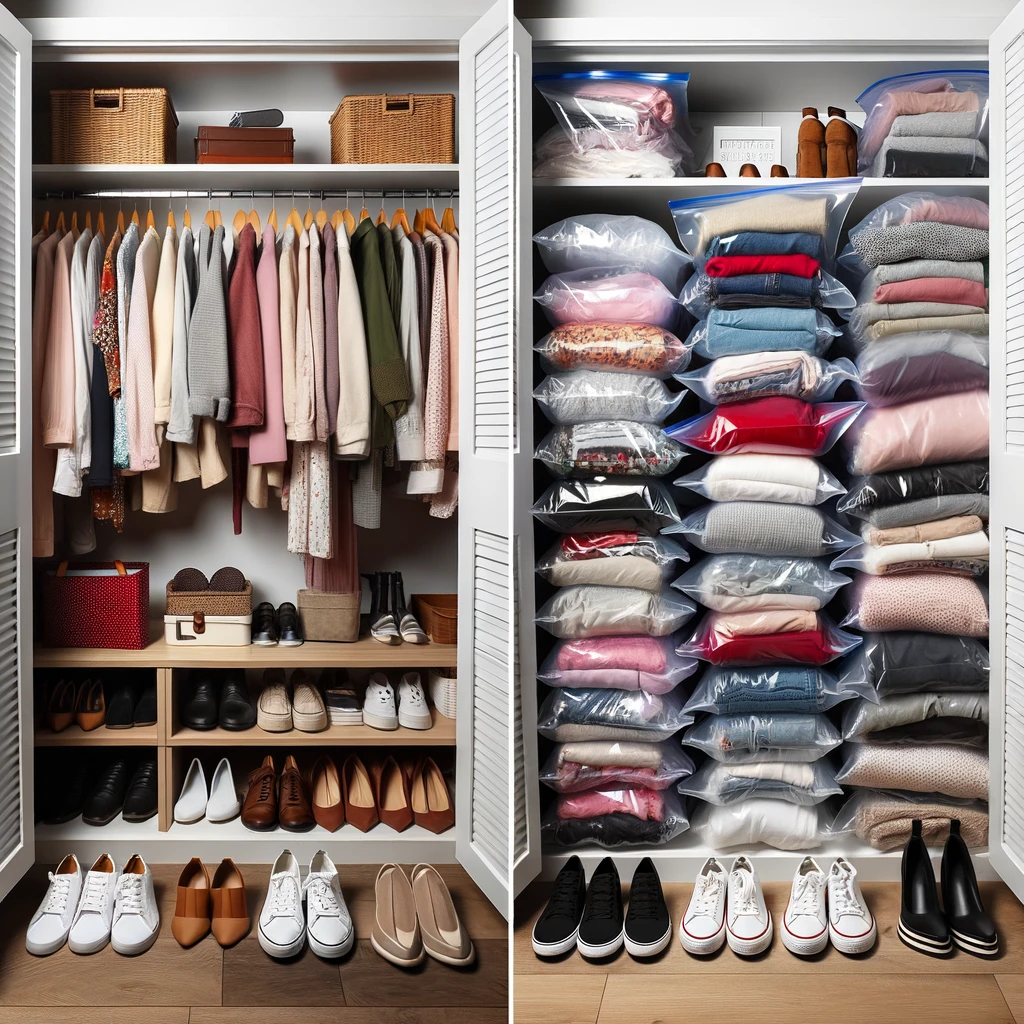
The benefits of vacuum sealing extend beyond just food and travel. In terms of home organization, vacuum-sealed bags offer an excellent solution for storing seasonal items such as bulky winter clothing or bedding during warmer months. By removing excess air, these items can be neatly packed and stored in closets or under beds, maximizing available space while protecting them from dust, moisture, and potential damage.
Moreover, vacuum sealing is also useful for optimizing storage space when it comes to linens, towels, and other soft goods. By minimizing the volume occupied by these items through compression using vacuum-sealed bags or containers, you can create a more organized and spacious living environment.
Conclusion
In our quest for efficient space-saving techniques, vacuum sealing emerges as both a practical and versatile solution across various aspects of life. Whether it’s preserving food freshness in the kitchen or maximizing luggage space during travel adventures, this technique offers countless benefits. Moreover, with alternative methods available to those without access to a machine, anyone can harness the advantages of vacuum sealing.
Embracing this approach not only helps us optimize our living spaces but also leads to enhanced organization and convenience. So why not embrace the power of vacuum sealing today and unlock a world of efficient space utilization?