Introduction
The Art of Efficient Travel Packing: Unlocking the Secrets to Stress-Free Journeys

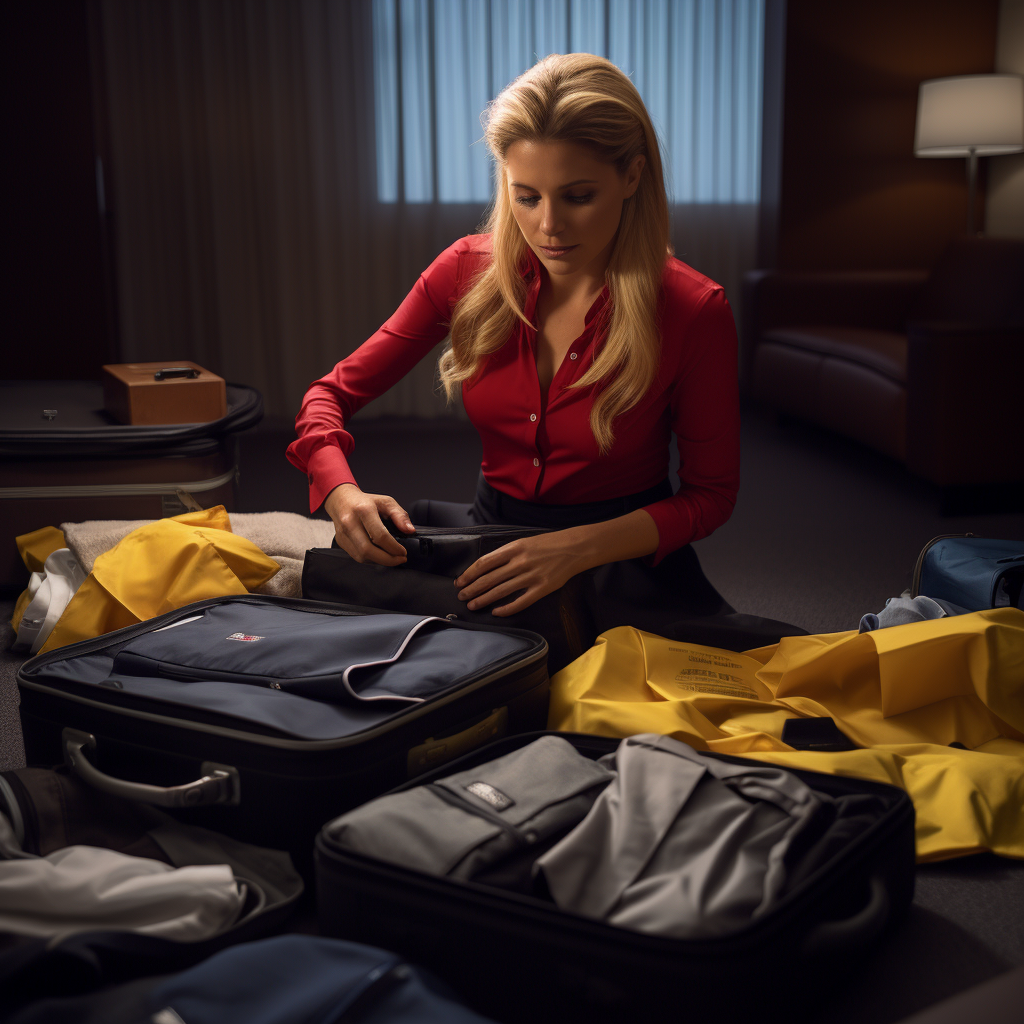
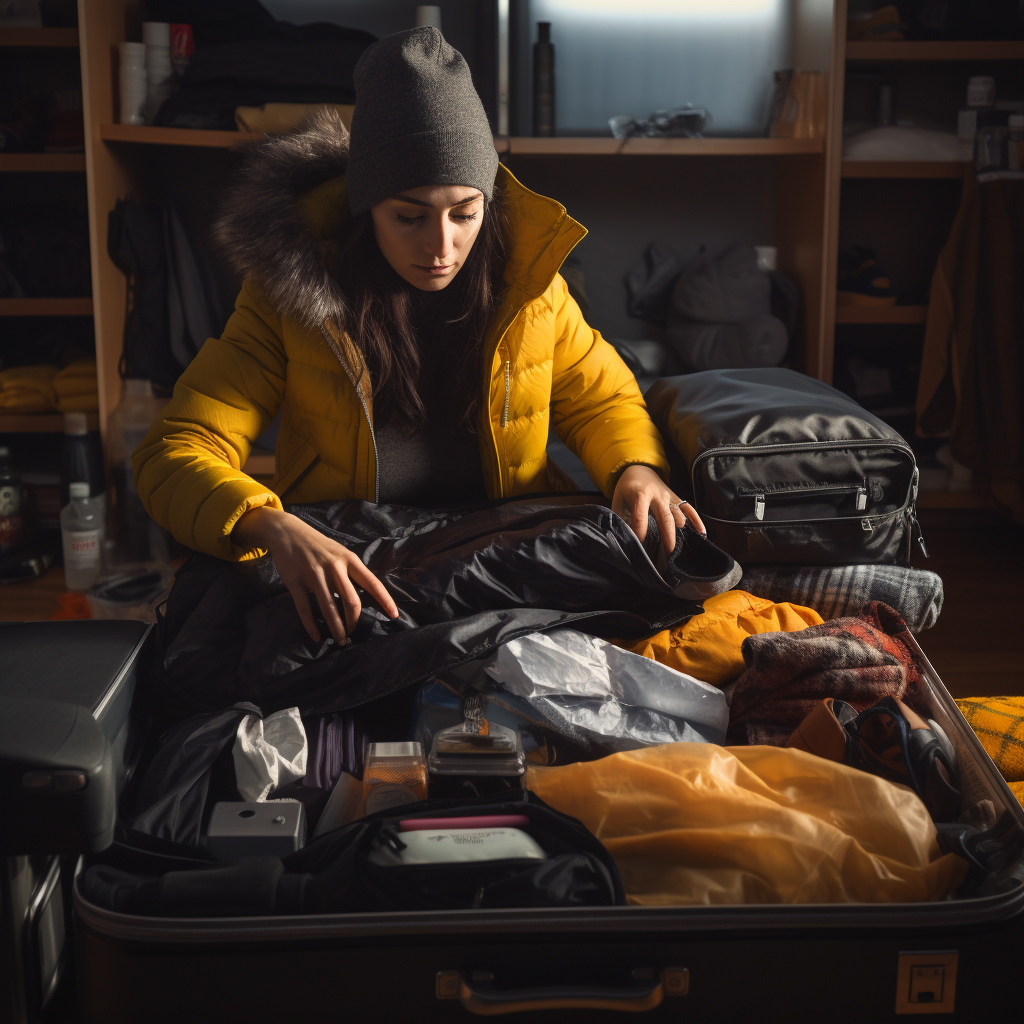
Packing efficiently is a crucial skill that can enhance your travel experience by reducing stress, saving time, and ensuring you have everything you need. Whether embarking on a weekend getaway or a long-term adventure, a well-organized suitcase will be your trusty companion. This article delves into the fundamental aspects of packing smartly to set you up for smooth travels.
Importance of packing efficiently for travel
Simplify Your Journey and Minimize Hassles with Proper Packing Methods
Efficient packing is more than just fitting all your belongings in a bag; it is about streamlining the process to make your journey hassle-free. Packaging efficiently means avoiding excessive luggage fees, reducing the risk of lost items, and saving valuable time during airport security checks.
Furthermore, traveling light allows for greater mobility and flexibility during your trip. Carefully planning what essentials to bring and organizing them strategically within your luggage ensures easy access when needed.
It minimizes unnecessary rummaging through an overstuffed bag, preventing frustration while moving. Packing efficiently means being prepared for any situation, providing peace of mind, and knowing everything you need is packed and ready to go.
Overview of the key factors to consider when packing

Create a Master Plan: The Key Elements to Tackle Before Filling Your Suitcase
Before diving into the actual packing process, it’s essential to consider some key factors that will guide your decisions. First, evaluate your trip’s duration and purpose, which will influence the quantity and type of items required. A weekend escape demands different essentials than an extended adventure spanning several months.
Secondly, research weather conditions at your destination during your visit. Understanding the climate allows you to pack appropriate clothing and accessories, ensuring comfort and protection from the elements.
Additionally, familiarize yourself with the local culture and any dress codes or customs to respect, enhancing your experience and interactions abroad. Make a detailed packing list covering all necessary categories, such as clothing, toiletries, electronics, and travel documents.
Organizing your belongings this way helps ensure you pay attention to essential items or pack unnecessary extras. With these factors in mind, you are ready to embark on a successful packing journey that will set you up for an amazing adventure.
Choosing the Right Luggage
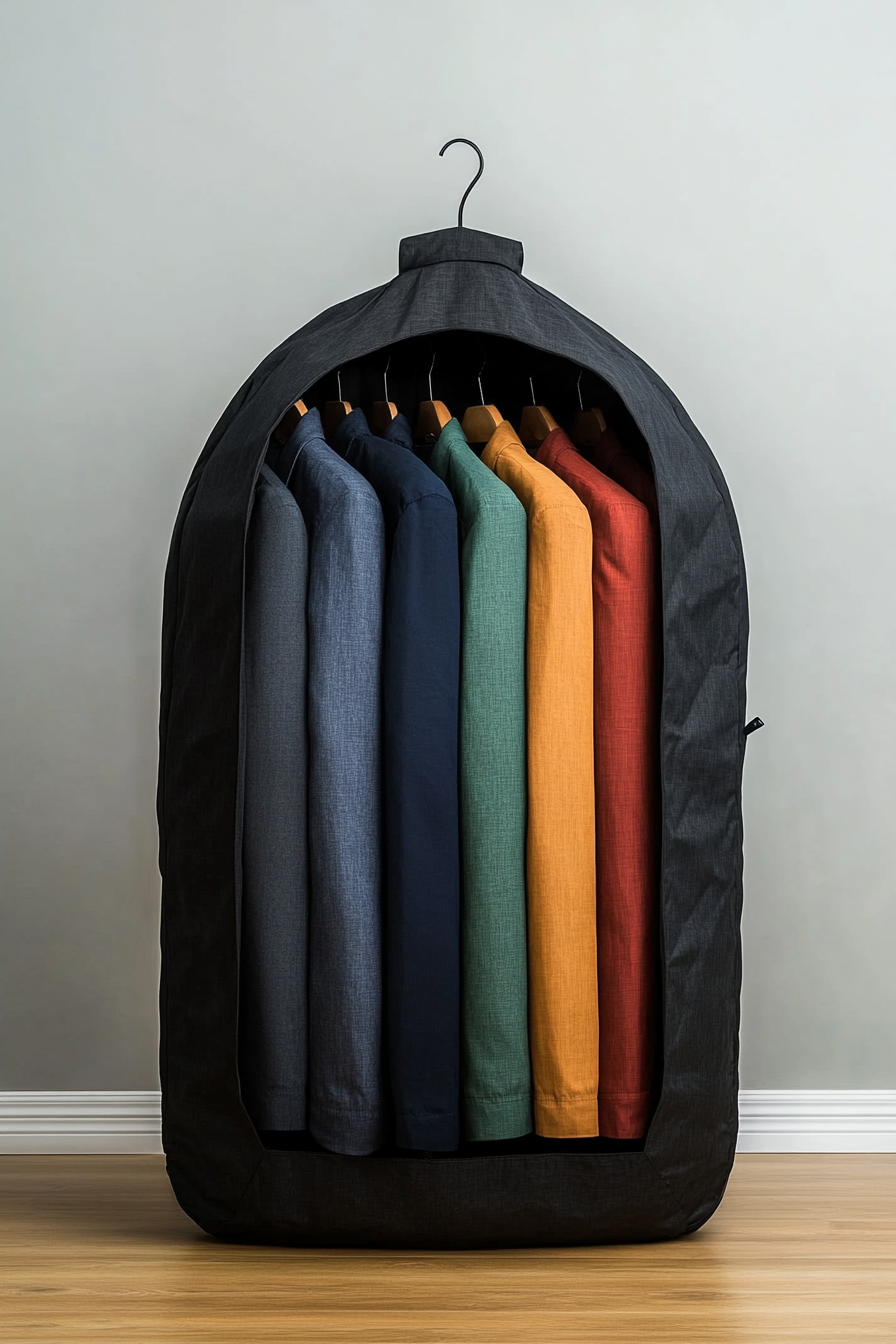
Luggage is an essential element of travel, and selecting the right type is crucial for a hassle-free experience. Various options are available, including suitcases, backpacks, and duffel bags. Suitcases are popular due to their capacity and ease of use.
They come in different sizes, such as carry-on or checked baggage sizes, allowing flexibility based on travel requirements. Backpacks are ideal for those who prefer hands-free mobility and versatility.
They often have multiple compartments for better organization. Duffel bags offer a more flexible packing solution with soft sides, making them suitable for short trips and outdoor adventures.
When choosing luggage, several factors need consideration: size, durability, and weight. The size should align with the duration of your trip and specific airline restrictions, if applicable.
Ensuring durability is essential to withstand the rigors of travel – look for materials like polycarbonate or ballistic nylon that offer strength without excessive weight. Weight is another critical factor affecting baggage fees and overall comfort while traveling.
Making a Packing List
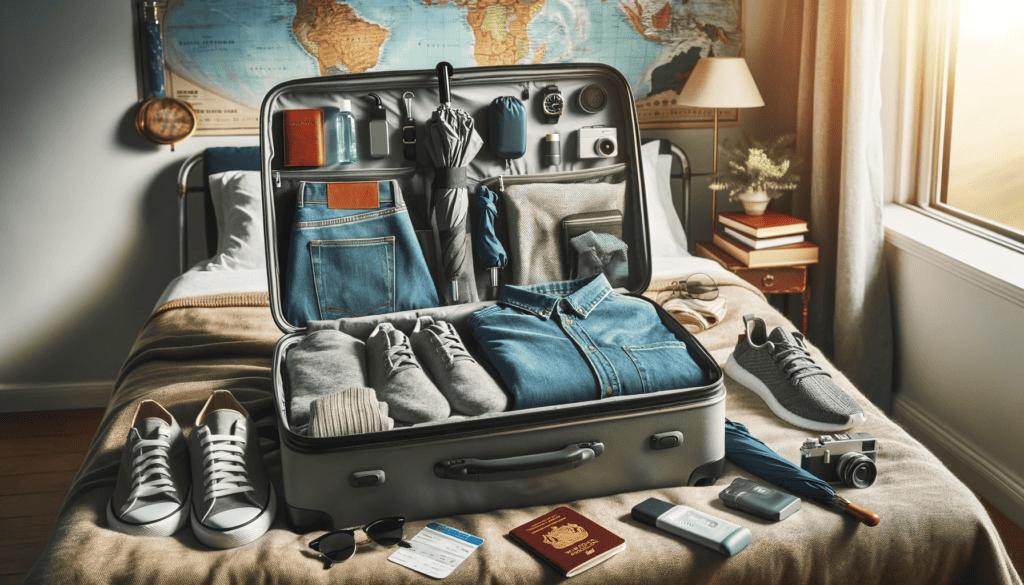
A comprehensive packing list is a valuable tool to ensure you take advantage of all necessary items while packing for your travels. It helps prevent last-minute panic or forgetting essentials behind. Start by jotting down everything you might need during your trip – clothing items, toiletries, electronics, etc.
Categorize these items based on priority and frequency of use to make unpacking easier at your destination – things needed upon arrival should be packed on top or in an easily accessible pocket/bag within your luggage. Additionally, consider grouping similar items to maintain organization throughout your journey.
An advantage of creating a packing list is that it allows you to assess whether any items can serve multiple purposes or if there are items you can eliminate to lighten your load. It also allows you to check off items as you pack them, ensuring peace of mind and reducing the chances of forgetting something crucial.
Maximizing Space in Your Luggage
Efficiently utilizing the available space in your luggage can make a significant difference in packing more items or minimizing the number of bags you need. The rolling clothes technique is highly effective as it saves space and minimizes wrinkles.
Instead of folding your clothes, tightly roll them before placing them in your luggage. Packing cubes or compression bags are additional tools for maximizing space and maintaining organization.
Packing cubes act as separate compartments within your luggage, allowing you to categorize items and reduce clutter. Compression bags go one step further by removing excess air from bulky clothing or bedding items, providing extra space for other essentials.
Clothing Essentials
Understanding the climate and culture of your destination
Research the climate patterns and seasonal variations of your destination. Understand the typical weather conditions during travel dates to determine appropriate clothing choices.
Consider factors such as temperature, humidity, precipitation, and extreme weather conditions that may affect your trip. Additionally, familiarize yourself with the cultural norms and traditions of the destination to ensure respectful attire.
Researching weather patterns and seasonal variations
Study weather forecasts specific to your destination for accurate information on current conditions during your trip. Look for long-term climate data or consult reputable travel resources to understand typical weather patterns at different times of the year. Take note of any significant fluctuations in temperature or precipitation that might require specific clothing items or accessories, such as raincoats or warm layers.
Dressing appropriately to respect local customs and traditions
Respect local customs by dressing modestly if necessary. Certain cultures may have specific dress codes that visitors are expected to adhere to out of respect for their traditions and beliefs.
For example, some religious sites may require covered shoulders or legs. Research ahead of time so you can pack appropriate clothes that align with local customs without offending.
Versatile clothing items for mix-and-match outfits
Select versatile pieces that can be mixed and matched to create multiple outfits from a limited number of garments. Opt for neutral colors like black, white, gray, or beige as a base for your wardrobe. These colors are easy to coordinate with other items and allow more flexibility when assembling outfits on your trip.
Packing lightweight fabrics that are easy to wash and dry quickly
Choose lightweight fabrics that are breathable while being easy to wash and quick-drying. Fabrics like cotton, linen, or synthetic blends are ideal as they are comfortable in various climates and easily cleaned in case of spills or accidents. Quick-drying materials are especially beneficial as they allow you to wash your clothes on the go and have them ready for use again quickly.
Toiletries and Personal Care Items
Travel-sized toiletries vs full-sized products
Travel-sized toiletries offer several advantages for efficient packing. They are lightweight, making them easier to carry during your travels.
Additionally, most travel-sized toiletries comply with TSA regulations, which is crucial when going through airport security. These small sizes also require less space in your luggage, freeing up room for other essential items.
Opting for travel-sized products saves you from the hassle of transferring liquids into smaller containers or risking leakage. When it comes to alternatives, reusable containers are a great option.
These containers allow you to transfer the right amount of product from larger bottles into smaller ones that meet travel regulations. This way, you can bring your preferred brands and items without sacrificing convenience or the quality of your personal care routine.
Essential personal care items
Before embarking on your journey, it’s vital to pack necessary medications and prescriptions to ensure uninterrupted health management while away from home. Remember to carry an adequate supply of any required medication in its original packaging or labeled containers, including any necessary documentation such as prescriptions or medical certificates.
Skincare essentials should be noticed when packing your personal care items for travel. Sunscreen is crucial to protect your skin from harmful UV rays, regardless of the destination or season.
Choosing a sunscreen with broad-spectrum protection and an appropriate SPF level suitable for the location’s sun intensity is recommended. In addition to sunscreen, a moisturizer can help keep your skin hydrated throughout the trip.
Traveling often exposes our skin to different climates and environmental conditions that may lead to dryness or irritation. Packing a moisturizer suitable for your skin type will help maintain its health and appearance during your travels.
Electronics and Gadgets
Determining which devices are necessary for your trip
1. Assess the purpose of your trip and the activities you plan to engage in to determine which electronic devices are essential.
2. Consider bringing a smartphone for communication, navigation, and accessing travel-related apps.
3. A lightweight laptop or tablet may be necessary if you plan to work remotely or need a larger screen.
4. Photographers should bring a high-quality camera and related equipment, such as lenses and a tripod, to capture memorable moments.
5. Music lovers might opt for portable speakers or headphones to enjoy their favorite tunes while on the go.
6. consider bringing a portable Wi-Fi hotspot device if you require constant internet connectivity.
Conclusion
In today’s digital age, electronics and gadgets have become integral to our lives, even when we travel. Determining which devices to bring on your trip depends on your specific needs and preferences.
By carefully considering the purpose of your trip and the activities you plan to engage in, you can select the necessary electronic devices to enhance your travel experience. Traveling is about immersing yourself in new experiences and creating lasting memories.
While electronics can add convenience and entertainment value during your journey, avoiding becoming too reliant on them is important. Embrace the joy of being present in the moment, connect with people from different cultures, savor local cuisine, and explore unfamiliar landscapes without constant digital distractions.
Traveling offers a unique opportunity for personal growth, cultural exchange, and self-discovery. By packing smartly and focusing on what truly matters during your journey—new experiences—you can make every adventure unforgettable!