Introduction
Essentiality of Packing Appropriately
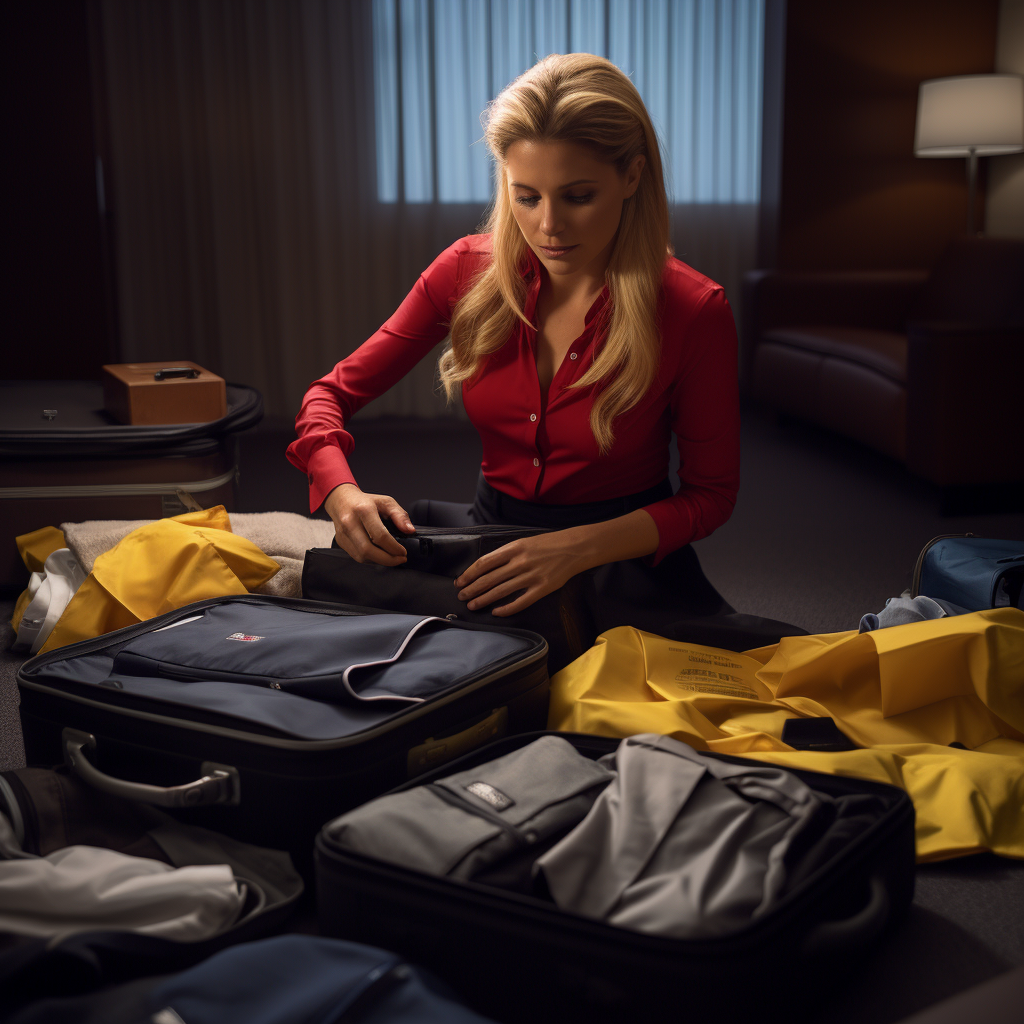
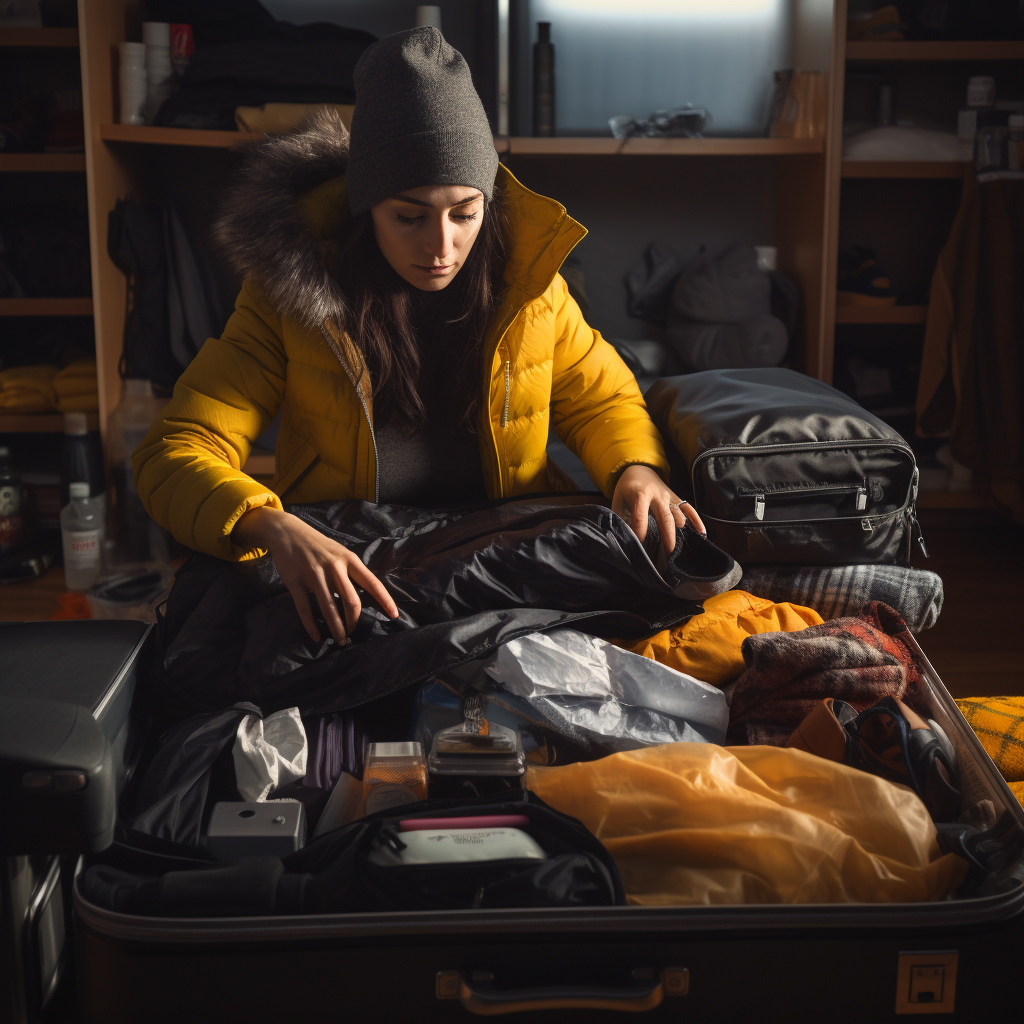
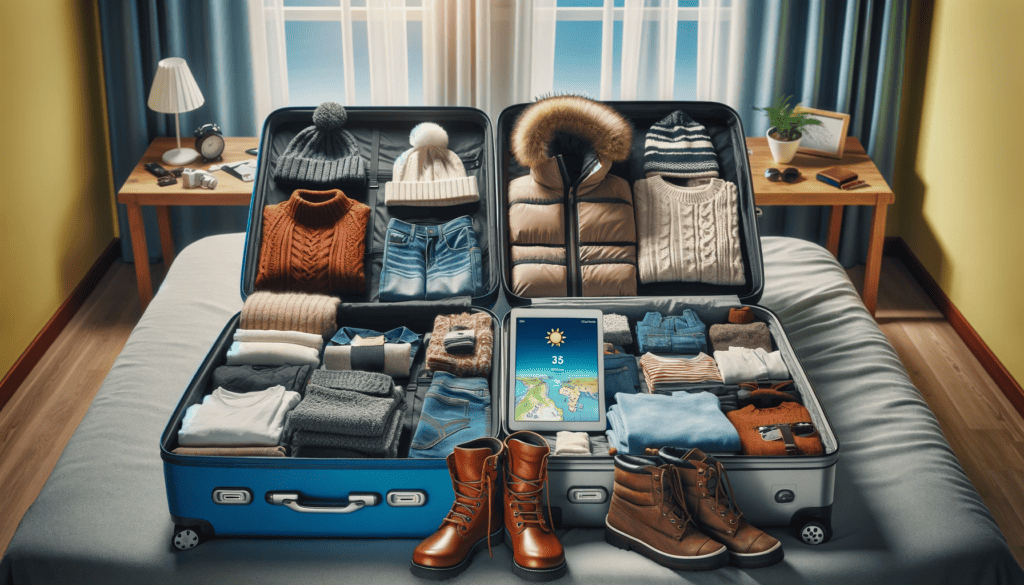
Packing appropriately for different climates is crucial to ensure a comfortable and enjoyable travel experience. It involves understanding the unique demands and variations in weather conditions that different regions offer. By packing appropriately, you can safeguard yourself against unexpected challenges like extreme temperatures, precipitation, or humidity levels.
Challenges and Considerations
When preparing for various climates, several challenges and considerations must be considered. Firstly, you must anticipate the fluctuations in temperature and weather patterns specific to your destination.
This requires researching historical data on weather patterns or checking local forecasts closer to your departure date. Additionally, you need to carefully consider the duration of your trip when packing for different climates.
Long trips may require a wider range of clothing options suitable for diverse weather conditions compared to shorter vacations. The availability of laundry facilities or the feasibility of washing clothes during your travels should also be considered when deciding how much to pack.
The Benefits of Preparation
Being prepared for any weather conditions offers numerous benefits during your journey. By packing appropriately, you can avoid discomfort caused by inadequate clothing choices or being ill-prepared for sudden climate changes. Moreover, it allows you to fully enjoy outdoor activities without worrying about being underdressed or unprepared.
Furthermore, appropriate packing helps prevent unnecessary expenses like buying additional clothing or gear at your destination due to inadequate preparation beforehand. It also saves time by avoiding last-minute shopping trips during your travels.
Packing appropriately is essential for ensuring comfort and adaptability throughout your journey. Understanding the importance of suitable attire in various climates is vital in overcoming potential challenges while reaping numerous benefits during travels.
Packing Basics

Choosing the right luggage and travel accessories
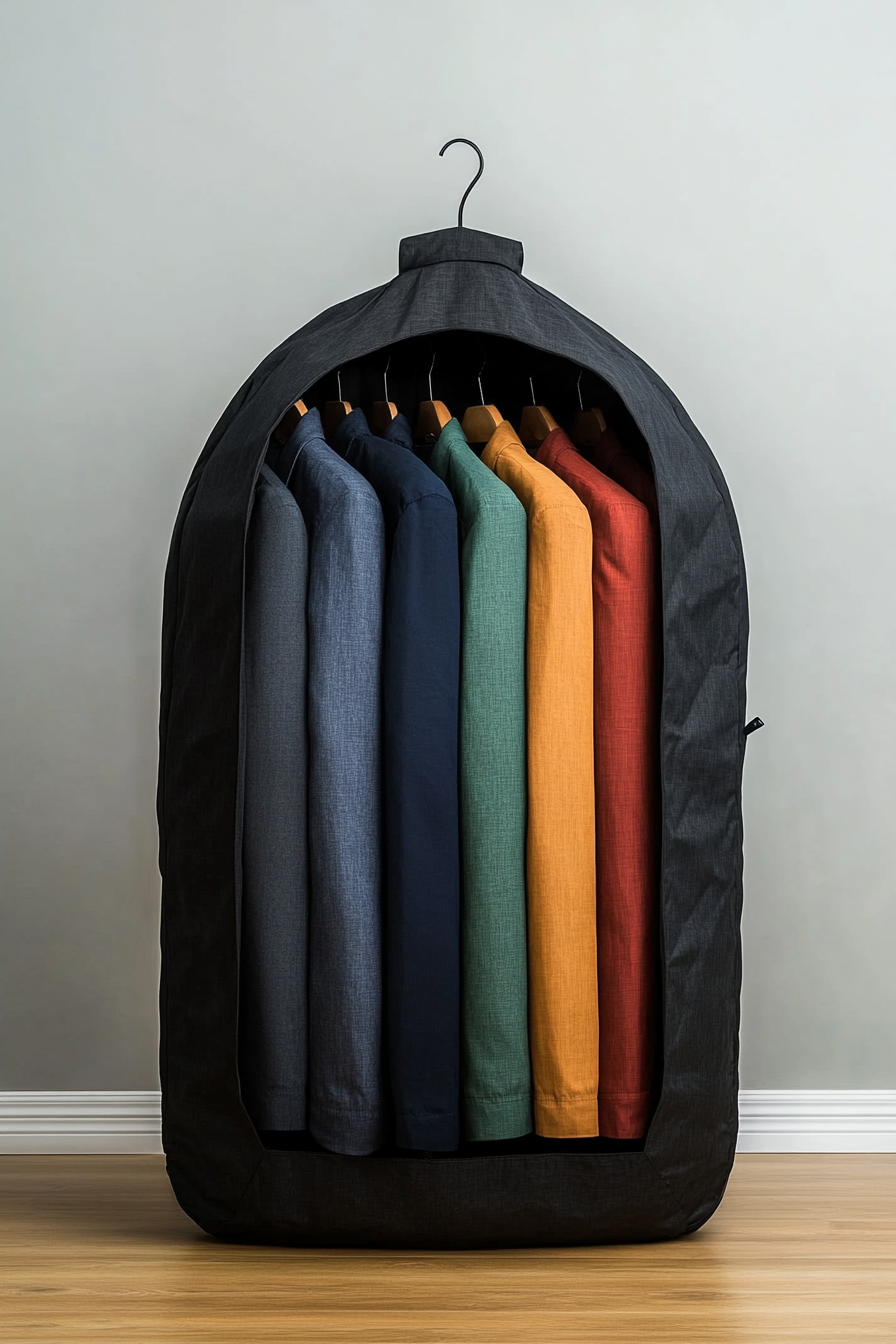
When choosing the right luggage for your trip, you have several options: suitcases, backpacks, or duffel bags. Suitcases offer ample space and organization with separate compartments and pockets, making it easier to keep your belongings neat and accessible. However, they can be bulkier and harder to carry around in crowded areas.
Backpacks are great for those who prefer a hands-free option and must navigate uneven terrain or stairs. They provide flexibility and are generally lightweight but may have limited space compared to a suitcase.
Duffel bags work well for shorter trips or when you need to pack light because they are compact and easy to carry. However, they may need more organization features for suitcases or backpacks.
Packing cubes and compression bags: maximizing space efficiency
Consider using packing cubes or compression bags to make the most of your luggage’s capacity. Packing cubes are small fabric containers that help you categorize your clothes and accessories within your luggage.
They come in various sizes, allowing you to group items by category or outfit, making it easier to find what you need without unpacking everything. Compression bags are another handy tool that can significantly reduce the volume of your clothing by removing excess air from them.
These airtight bags usually have a one-way valve that allows you to manually squeeze out all the air or use a vacuum cleaner for better compression. This method saves space and helps keep your clothes organized while minimizing wrinkles.
Travel locks, luggage tags, and other security measures
Ensuring the security of your belongings while traveling is essential. One simple yet effective measure is investing in reliable travel locks for your luggage zippers or combination locks for added protection against theft or tampering attempts during transit. Luggage tags are also crucial as they provide identification information, making it easier to locate your bag in case it gets lost.
Include your name, phone number, and email address on the tag. Additionally, consider using luggage tags with a privacy flap to conceal this information from prying eyes.
Besides locks and tags, you can take other security measures like using TSA-approved locks for US travel or wrapping your suitcase in protective plastic film at airports to prevent unauthorized access or damage to your bag. These precautions help ensure peace of mind throughout your journey.
Researching the Climate
Understanding the climate of your destination(s)
Research the climate of your destination before packing. Gather information about the typical weather conditions, including temperature range, precipitation levels, and humidity. A clear understanding of the climate will help you pack appropriate clothing and accessories for your trip.
Seasonal variations in temperature, precipitation, and humidity levels
Consider seasonal variations when researching the climate. Different seasons can bring significant changes in temperature, precipitation patterns, and humidity levels.
For example, if you’re traveling to a tropical destination during its rainy season, expect frequent showers and high humidity. On the other hand, if you’re visiting a place with distinct seasons like a ski resort in winter, pack warm layers and prepare for cold temperatures.
Studying historical weather patterns and average temperatures
Take note of historical weather patterns and average temperatures for your destination(s). Gaining insight into past weather conditions can give you an idea of what to expect during your trip.
Look for trends such as heatwaves or cold snaps that may occur at specific times of the year. This knowledge will help you make informed decisions when choosing what to pack.
Checking local forecasts closer to your departure date
Stay up-to-date with local forecasts as your departure date approaches. Checking forecasts will provide more accurate information about the expected weather conditions during your trip.
Pay attention to sudden changes or extreme weather alerts that might affect your plans or require specific items in your packing list. By staying informed about the most recent forecast updates, you can adjust your packing accordingly and be prepared for unexpected weather events.
Packing for Warm Climates
Lightweight Fabrics like Cotton or Linen: Breathability and Moisture-wicking Properties
– Lightweight fabrics like cotton or linen are ideal for warm climates.
– These fabrics offer excellent breathability, allowing air to circulate your body and keeping you cool.
– Cotton is particularly absorbent and has moisture-wicking properties, which helps to draw sweat away from your skin.
– Linen, on the other hand, is known for its ability to stay cool as it allows air to flow freely through its loose weave.
– Opting for these fabrics will help you stay comfortable and avoid excessive sweating in hot weather conditions.
Lightweight Fabrics like Cotton or Linen: Protection against Sunburns
– In addition to their breathability, lightweight fabrics like cotton or linen can also protect against sunburns.
– These fabrics naturally have a looser weave that allows UV rays to penetrate the fabric.
– While this may sound concerning, it offers protection by reducing the intensity of direct exposure to the sun’s harmful rays.
– However, it’s important to note that lightweight fabrics alone may not provide sufficient protection from prolonged sun exposure. Sunscreen and other protective measures are still necessary.
Swimwear, Cover-ups, and Beach Accessories: UV Protection Clothing Options
– Remember your swimwear essentials when packing for warm climates with beach destinations in mind!
– Opt for swimwear that offers built-in UV protection. When selecting swimwear pieces, look for UPF (Ultraviolet Protection Factor) ratings on labels.
– UPF-rated swimwear provides an additional layer of defense against harmful UV radiation from the sun. It minimizes skin exposure while enjoying water activities under scorching temperatures.
Swimwear, Cover-ups, and Beach Accessories: Sandals or Flip-flops for Hot Surfaces
– Packing a pair of comfortable and breathable sandals or flip-flops is a must when venturing to warm destinations.
– Opt for footwear made from rubber or EVA foam that won’t conduct heat from the ground.
– These shoes protect your feet from scorching hot surfaces like sand, pavement, or pool decks.
– Look for sandals with arch support and cushioned soles to ensure maximum comfort during long walks or beach strolls.
Remember, packing for warm climates requires the right fabrics for breathability and sun protection. Additionally, including swimwear with UV protection and comfortable sandals will enhance your comfort and enjoyment in hot weather.
Packing for Cold Climates

Layering System
Base layer: Choose moisture-wicking fabric like merino wool. This fabric efficiently pulls sweat away from your body, keeping you dry and warm in cold climates.
Merino wool is an excellent choice due to its natural breathability and odor-resistance properties. Insulating layer: Opt for fleece or down jackets as your insulating layer.
Fleece provides lightweight warmth and is quick-drying, making it ideal for active pursuits in cold weather. Down jackets offer excellent insulation by trapping body heat, providing exceptional warmth even in freezing temperatures.
Outer layer: Pack a waterproof and windproof jacket to shield you from the elements. Look for materials like Gore-Tex or similar waterproof membranes that keep rain and snow out while allowing moisture to escape, preventing overheating.
Warm Accessories
Hats, scarves, gloves/mittens:
- Protect your extremities from the biting cold with these essential accessories.
- Opt for hats that cover your ears completely and have insulation properties.
- Choose scarves made of warm materials like wool or cashmere to provide extra protection to your neck.
Remember gloves or mittens lined with fleece or thermal materials to keep your hands cozy. Thermal socks/boots: Invest in thermal socks made of wool or synthetic fibers designed to retain heat effectively.
These will keep your feet warm and comfortable throughout the day. Additionally, consider packing insulated boots or shoes with a sturdy outsole for traction on icy surfaces.
Heavy-duty footwear: To tackle snowy terrains, pack waterproof heavy-duty boots that provide good ankle support. Look for boots with insulation, thick soles for traction on slippery surfaces, and a comfortable fit that allows for wearing thicker socks.
Conclusion
Packing appropriately for cold climates is essential to ensure a comfortable and enjoyable experience. You can effectively combat the cold weather by following the layering system, including a moisture-wicking base layer, insulating fleece or down jackets, and a waterproof outer layer. Pack warm accessories like hats, scarves, gloves/mittens, thermal socks/boots, and heavy-duty footwear to protect yourself in freezing temperatures.
With thorough preparation and the right gear, you can confidently embrace winter adventures without compromising warmth or style. Stay cozy!