Europe Unpacked: The Ultimate Backpacking Guide for Adventurous Travelers
Introduction
The Thrilling Adventure of European Backpacking
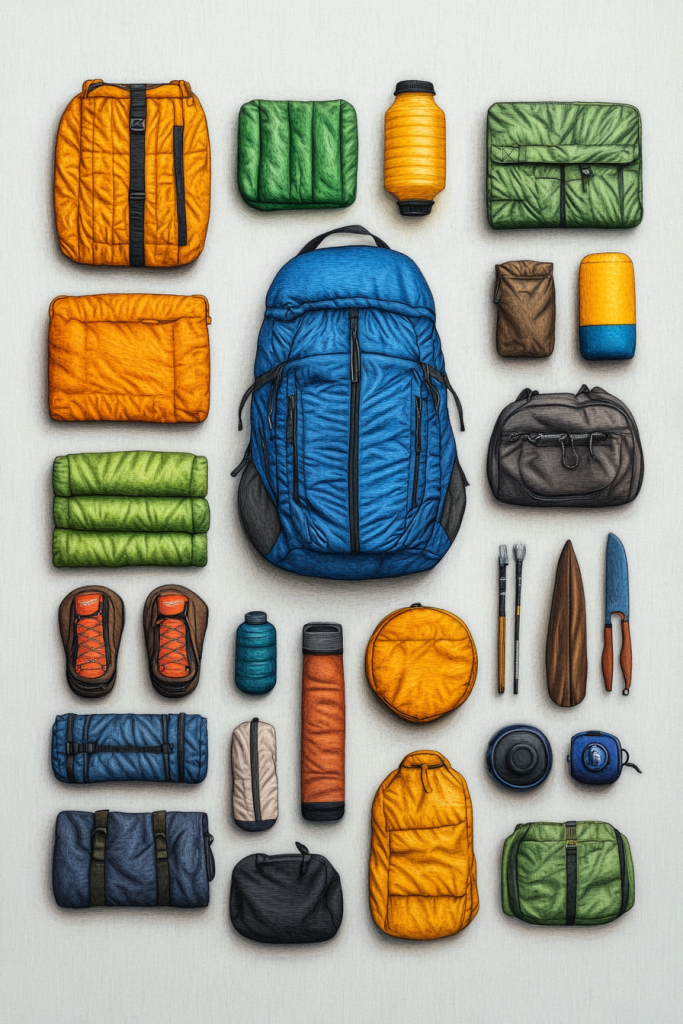
Backpacking through Europe is an exhilarating journey that offers a unique blend of history, culture, and breathtaking landscapes. From the majestic Eiffel Tower in Paris to the ancient ruins of Rome and the scenic fjords of Norway, every corner of Europe promises discovery and adventure. The freedom to explore charming cobblestone streets, savor delectable cuisines, and immerse oneself in diverse traditions makes backpacking in Europe an experience unlike any other.
The Significance of Efficient Packing for a Smooth Journey
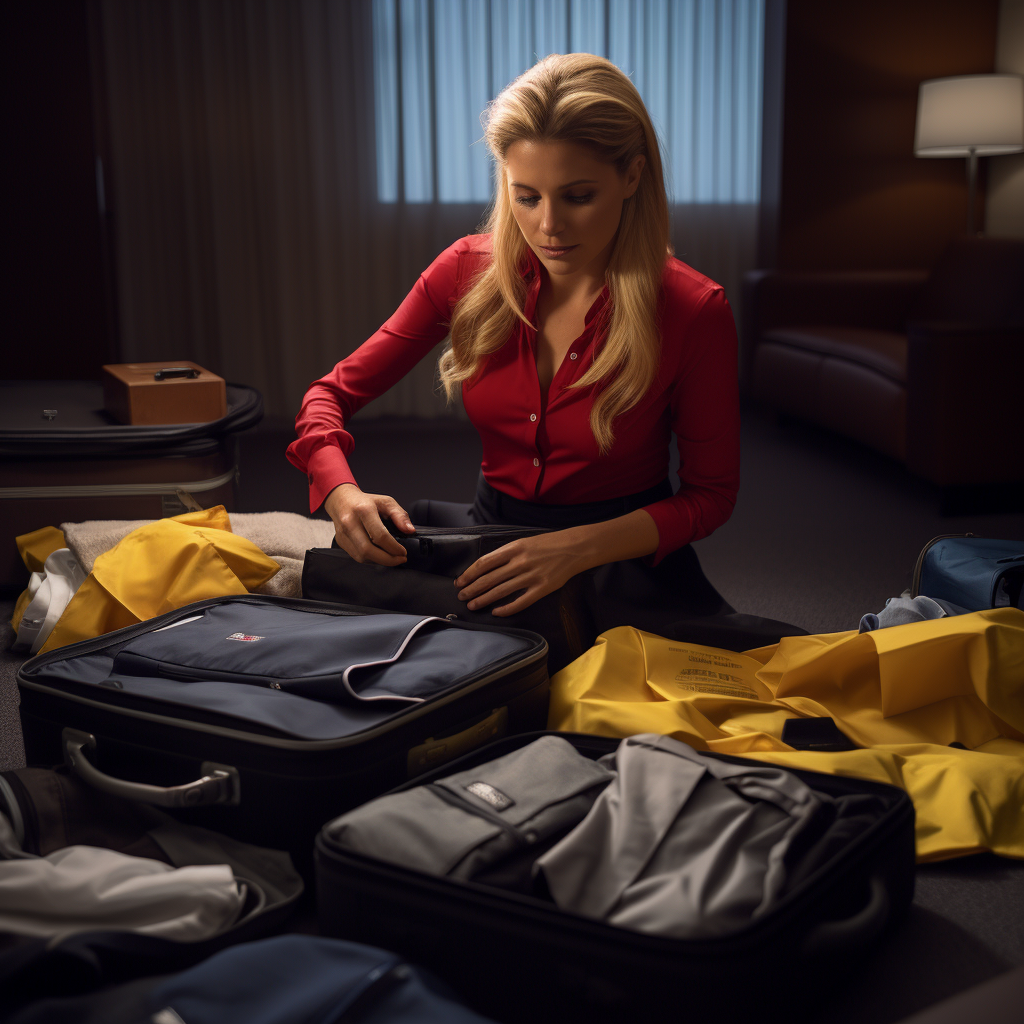
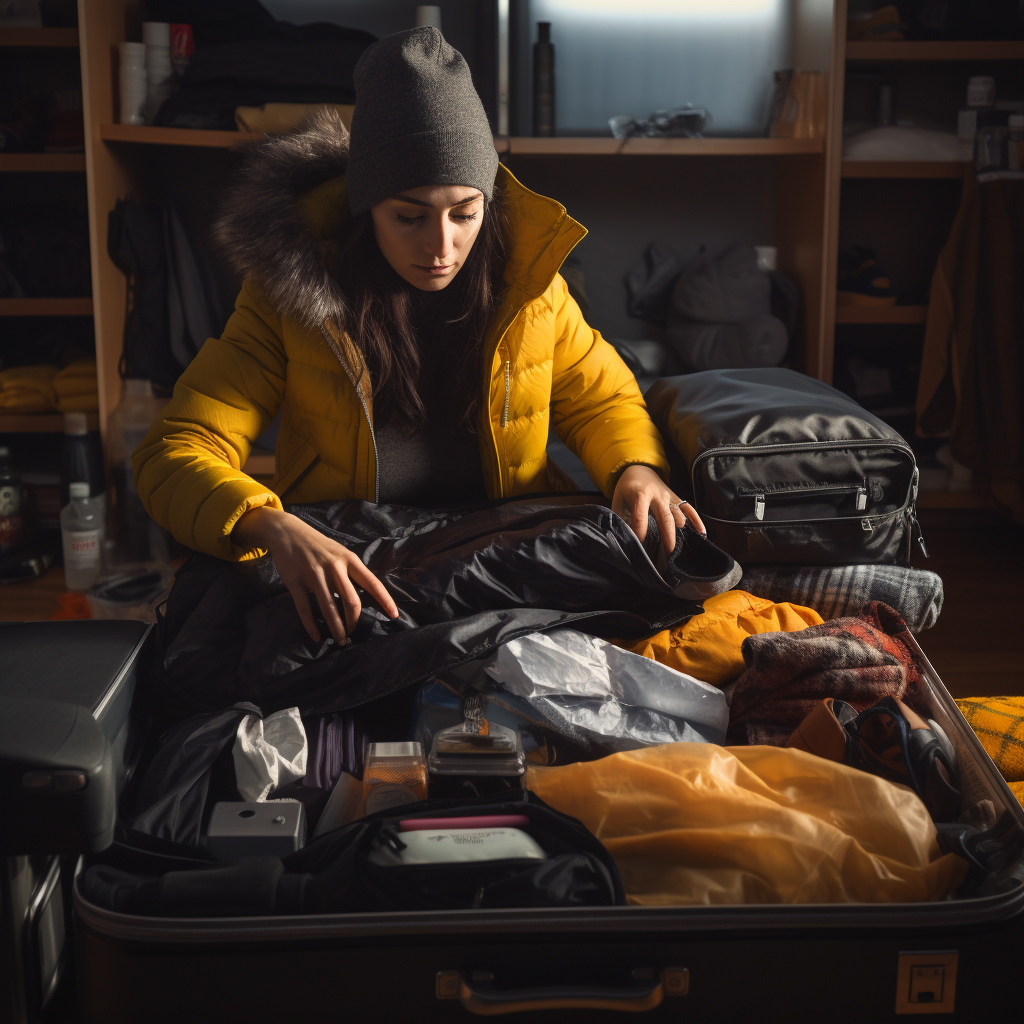
Efficient packing ensures a seamless and enjoyable backpacking trip through Europe. With limited space in your backpack, each item you pack is crucial in enhancing your travel experience.
Thoughtful packing lightens your load and contributes to your overall comfort and convenience during long days of exploration. By mastering the art of packing smartly, you can unlock the true potential of your European adventure.
Essential Packing Tips for a European Backpacking Trip
Choosing the Right Backpack
Size and Capacity for Trip Length
When selecting a backpack, consider the duration of your European backpacking adventure. Opt for a 40-60 liter pack for shorter trips (1-2 weeks) and a larger 60-80 liter pack for longer journeys (4 weeks or more).
The right size ensures you can fit all essentials without overpacking, making your travels lighter and more manageable. The best packing tip for a European backpacking trip is to choose a backpack that suits your travel duration.
Features for Organization
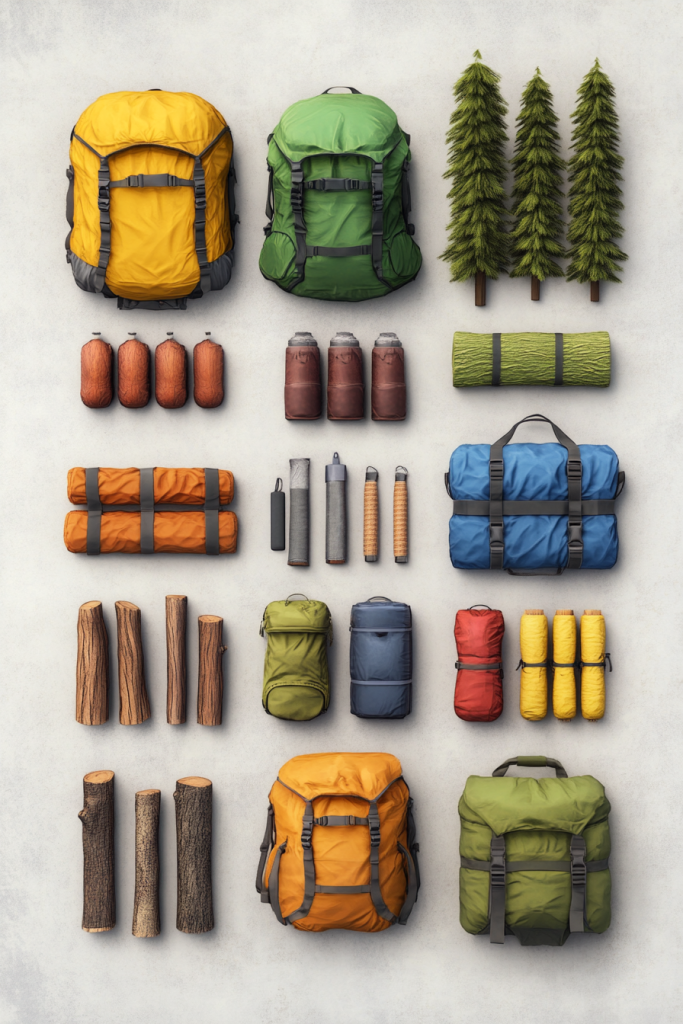
Padded straps, a hip belt, and multiple compartments are crucial features to look for in a backpack. Padded straps provide comfort during long days of exploring cities or hiking trails. The hip belt helps distribute weight evenly, reducing strain on your back.
Compartments allow you to organize your belongings efficiently, making it easier to access items when needed. These features enhance convenience and functionality on your European adventure.
Clothing Essentials
Versatile Clothing Items
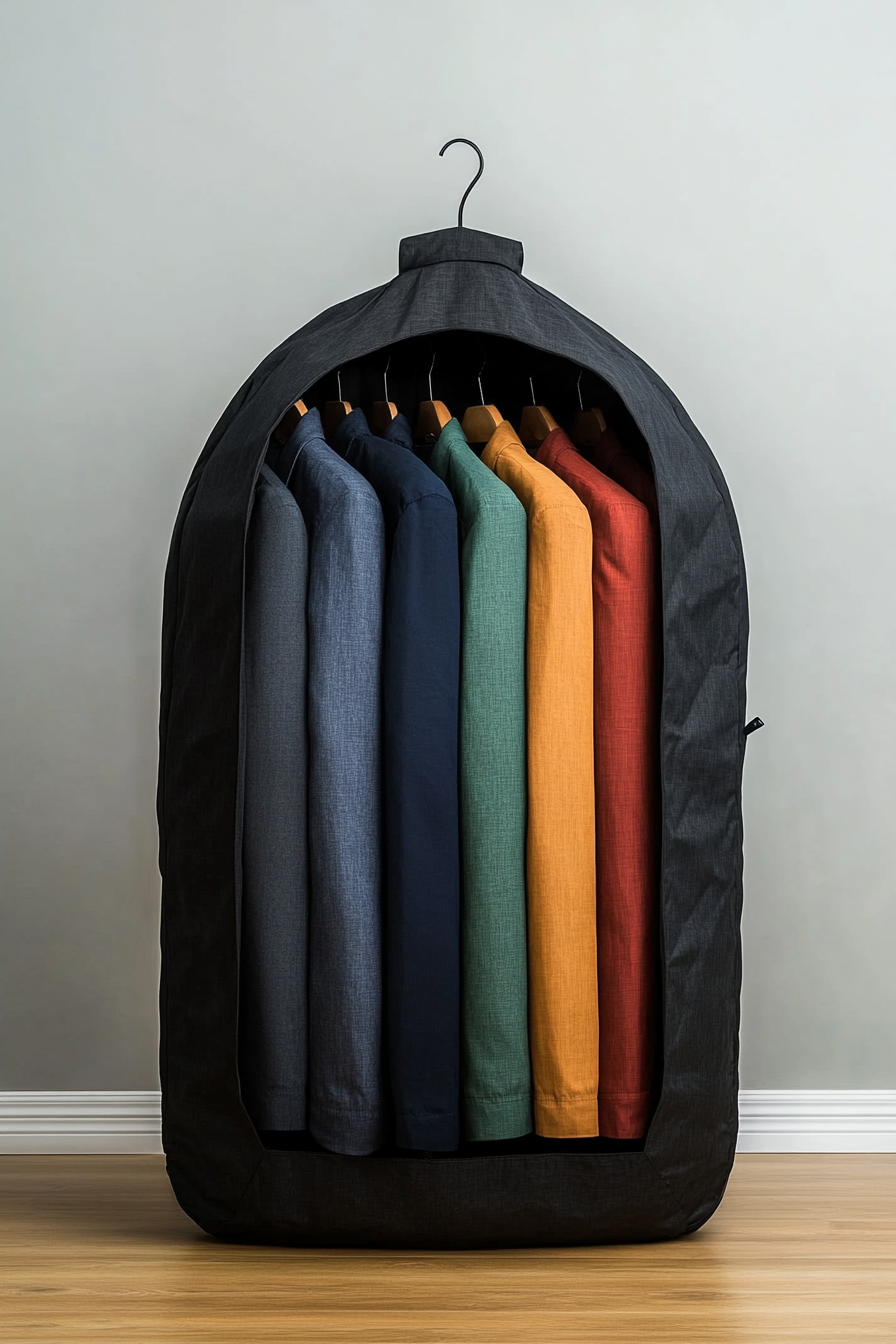
Pack clothing items that can be easily layered, mixed, and matched to create various outfits. Choose versatile pieces like neutral-colored tops, lightweight pants, and convertible jackets that can adapt to different weather conditions.
This approach maximizes outfit options while minimizing the number of garments you need to bring along. Versatile clothing is a key element of the best packing tips for a European backpacking trip.
Consideration of Weather Conditions
European regions exhibit diverse weather patterns, so pack accordingly. If traveling in rainy areas like Scandinavia or the UK, include waterproof outer layers.
Bring lightweight, breathable fabrics for warmer regions such as Southern Europe during summer. Always check local forecasts before departure to ensure you are prepared for varying weather conditions across different parts of Europe.
Footwear Selection
Comfortable Walking Shoes
Invest in comfortable walking shoes with good support and durable soles suitable for long days of city exploration or outdoor activities like hiking in the Alps or exploring cobblestone streets in historic towns. Quality footwear not only keeps your feet happy but also plays a significant role in preventing fatigue and discomfort during extended periods of walking – an essential aspect emphasized by the best packing tips for a European backpacking trip.
Packing Lightweight Footwear
In addition to walking shoes, include lightweight flip-flops or sandals in your packing list for relaxing evenings at hostels or beach destinations where casual footwear is more appropriate. These portable options offer comfort after extended periods of wearing closed-toe shoes while providing breathability during warmer climates common throughout Europe during summer travels.
Efficient Packing Techniques
Rolling vs Folding Clothes: Space-Saving and Wrinkle-Free
Rolling clothes are among the best packing tips for a European backpacking trip. It saves precious space in your backpack and minimizes wrinkles on your clothing items.
By tightly rolling each piece of clothing, you can optimize the available space and prevent creases that often occur when folding garments. This technique works exceptionally well for soft fabrics like t-shirts, lightweight sweaters, and underwear.
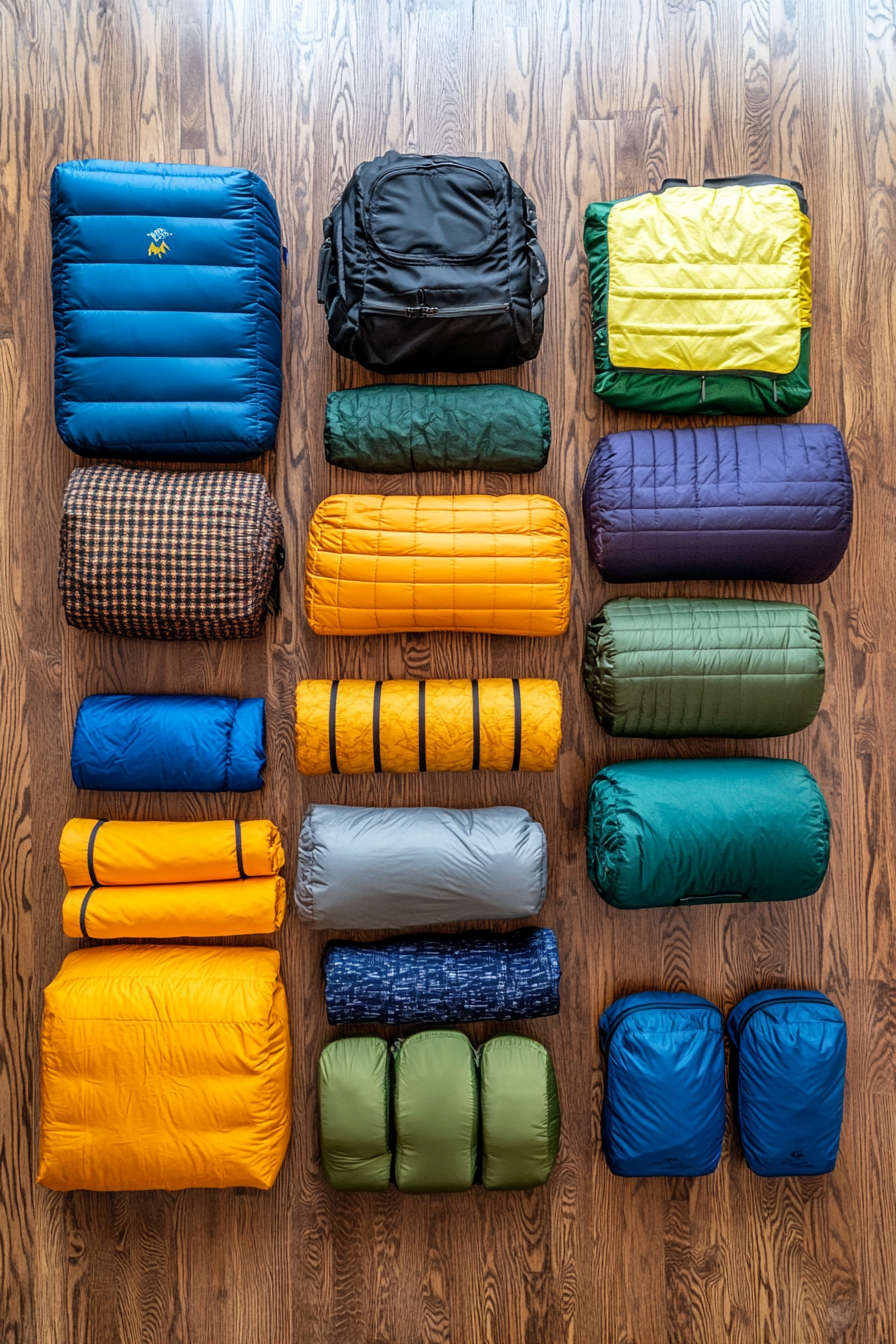
Utilizing packing cubes or compression bags enhances organization during packing for a European backpacking adventure. These handy accessories help separate different types of clothing or items within your backpack, making it easier to locate specific items without creating a mess.
Packing cubes come in various sizes to fit different gear, while compression bags allow you to squeeze out excess air to compact your belongings further. Strategically using these tools ensures that you can access what you need quickly without having to rummage through your entire backpack.
Minimizing Toiletries: Travel-Sized Efficiency
Packing travel-sized toiletries is practical when preparing for a European backpacking trip. Opt for small containers of shampoo, conditioner, body wash, and other essential toiletries to conserve space in your luggage while meeting airline liquid restrictions. These compact versions ensure that you have all the basics covered without carrying bulky full-size bottles.
Additionally, refilling reusable travel containers with your preferred products before departure allows you to customize your toiletry kit according to personal needs and preferences. Opting for solid toiletry options offers another innovative solution for minimizing the bulk of liquid products in your backpack.
Solid shampoo bars, soap bars, or toothpaste tablets are convenient alternatives that eliminate spillage risks and significantly reduce the weight of your pack. These solid options are eco-friendly choices as they typically come with minimal or biodegradable packaging, making them ideal companions for sustainable travel practices during a European adventure.
Essential Travel Accessories
Packing a universal adapter for different power outlets in Europe is crucial to ensure that your electronics stay charged throughout your journey. Without the right adapter, you may be unable to plug in your devices or recharge them, causing unnecessary stress and inconvenience.
This simple accessory can make a huge difference in keeping you connected and entertained during your travels. Bringing a portable charger to keep devices powered on the go is another essential tip for backpackers exploring Europe.
After long days of sightseeing and navigating unfamiliar cities, your phone, camera, or other gadgets may quickly run out of battery. A portable charger allows you to recharge your devices anytime, anywhere, ensuring that you never miss a photo opportunity or lose touch with loved ones back home.
Technology Tips
Downloading offline maps and translation apps can be a lifesaver during your European backpacking adventure. In places where internet connection may be limited or expensive, offline maps on your phone can help you easily navigate cities and avoid getting lost.
Translation apps also come in handy when communicating with locals who may not speak English fluently. They enhance your travel experience by enabling meaningful interactions wherever you go. Backing up important documents digitally is a smart practice that adds more security to your trip.
By scanning and storing copies of essential documents like passports, visas, travel insurance details, and itineraries on cloud storage or email drafts, you have easy access to critical information, even if physical copies get lost or stolen. This precautionary measure ensures you can handle unexpected situations smoothly and minimize disruptions during the best packing tips for a European backpacking trip.
First Aid Kit Must-Haves
Basic medications such as pain relievers, antihistamines, and anti-diarrheal drugs help manage common travel-related illnesses. Bandages of various sizes are essential for treating minor cuts and scrapes on the go. Insect repellent containing DEET or picaridin helps prevent mosquito bites and potential diseases.
Travel Insurance Importance
Investing in travel insurance provides coverage for unexpected emergencies like medical treatment or trip cancellations. This safety net ensures peace of mind while exploring new destinations. It safeguards against unforeseen circumstances and offers assistance in challenging situations.
Conclusion
Incorporating these health and safety essentials into your packing list ensures a secure and worry-free European backpacking adventure. You can focus on enjoying the journey ahead by prioritizing your well-being through a well-equipped first aid kit and reliable travel insurance. Remember, staying prepared is key to making the most of your trip with the best packing tips for a European backpacking trip!