Introduction
The Art of Savvy Dining: Mastering the Gastronomic Realm on a Shoestring Budget
In a world where expenses seem to multiply faster than the sprouting of mushrooms after rainfall, it becomes imperative to exercise prudence and ingenuity in every aspect of our lives. While it may be tempting to indulge in lavish dining experiences or succumb to the convenience of pre-packaged meals, there is an art to nourishing oneself without breaking the bank.
Eating on a budget is not merely about cutting corners; it is about embracing resourcefulness and finding joy in culinary creativity. By adopting this approach, one can unlock a world of savings while savoring delectable dishes crafted with care.
Importance of eating on a budget
The significance of eating on a budget cannot be overstated, for it extends far beyond financial prudence. At its core, this practice empowers individuals to take control of their finances and make wise choices regarding their dietary needs. By adhering to a well-planned budget, individuals can prioritize food expenditure alongside other essential aspects of life, such as housing and transportation.
Furthermore, practicing mindful spending when it comes to sustenance instills discipline and fosters responsible consumption habits. As we navigate through an era marked by unsustainable food production practices and global economic uncertainties, mastering the art of dining within our means reduces waste and promotes environmental consciousness.
It encourages us to be more appreciative of what nature provides while reducing our carbon footprint. Ultimately, eating on a budget allows us not only financial freedom but also conveys respect for ourselves and the planet we inhabit.
Determining your food budget
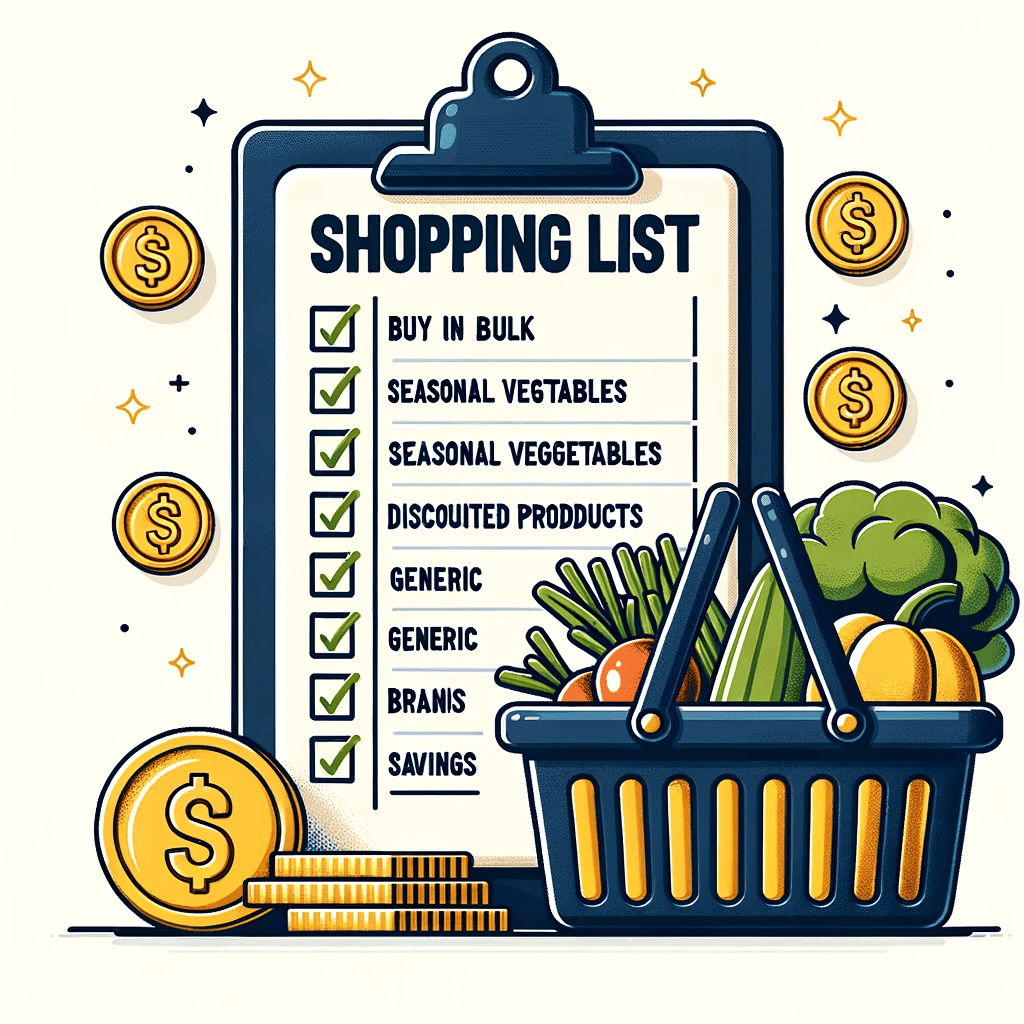
When it comes to eating on a budget, the first step is to determine how much you can realistically allocate for food expenses. Take a close look at your income and monthly expenses to identify a reasonable amount that you can comfortably spend on groceries and meals.
Consider factors such as rent or mortgage payments, utilities, transportation costs, and other necessary expenditures. Once you have an idea of your total monthly income and essential expenses, subtract those from your overall budget.
The remainder will give you an estimate of how much you can afford to spend on food each month. Remember that this figure should be flexible and adjustable based on fluctuations in income or unforeseen circumstances.
Differentiating needs from wants in your grocery list
Creating a well-thought-out grocery list is crucial for staying within your food budget. Before heading to the store, take some time to evaluate the difference between essential items and those that are merely wants or cravings. Needs usually consist of staple foods such as fruits, vegetables, grains, proteins (such as meat or plant-based alternatives), dairy products (if desired), and cooking essentials like oil and spices.
Avoid getting swayed by fancy packaging or marketing tactics when making decisions about what goes into your cart. Stick to basics that fulfill nutritional requirements without breaking the bank.
While it’s okay to occasionally indulge in a few treats or convenience items, be mindful of their impact on your overall spending. By prioritizing needs over wants in your grocery list, you’ll be able to make more economical choices while still enjoying nutritious meals.
Meal planning and its role in saving money
Meal planning is an effective strategy for both saving money and ensuring that no ingredients go unused or wasted. Begin by selecting recipes that align with both your taste preferences and budgetary constraints. Consider dishes that utilize affordable ingredients, have minimal preparation time, and yield multiple servings to cover several meals throughout the week.
Once you have chosen your recipes, create a detailed shopping list based on the ingredients required. Take stock of what you already have in your pantry or fridge to avoid duplicating purchases.
Meal planning allows you to buy ingredients in precise quantities, reducing the chances of food spoilage or waste. Additionally, by cooking larger portions and planning leftovers strategically, you can save both time and money.
Leftovers can be transformed into delicious new meals or packed for lunches the following day, eliminating the need for costly takeout or dining out. By understanding the basics of budgeting for food, determining your food budget, differentiating needs from wants in your grocery list, and implementing meal planning techniques, you will lay a strong foundation for eating on a budget without compromising nutritional value or flavor.
Smart Shopping Strategies: Comparing prices and shopping at different stores
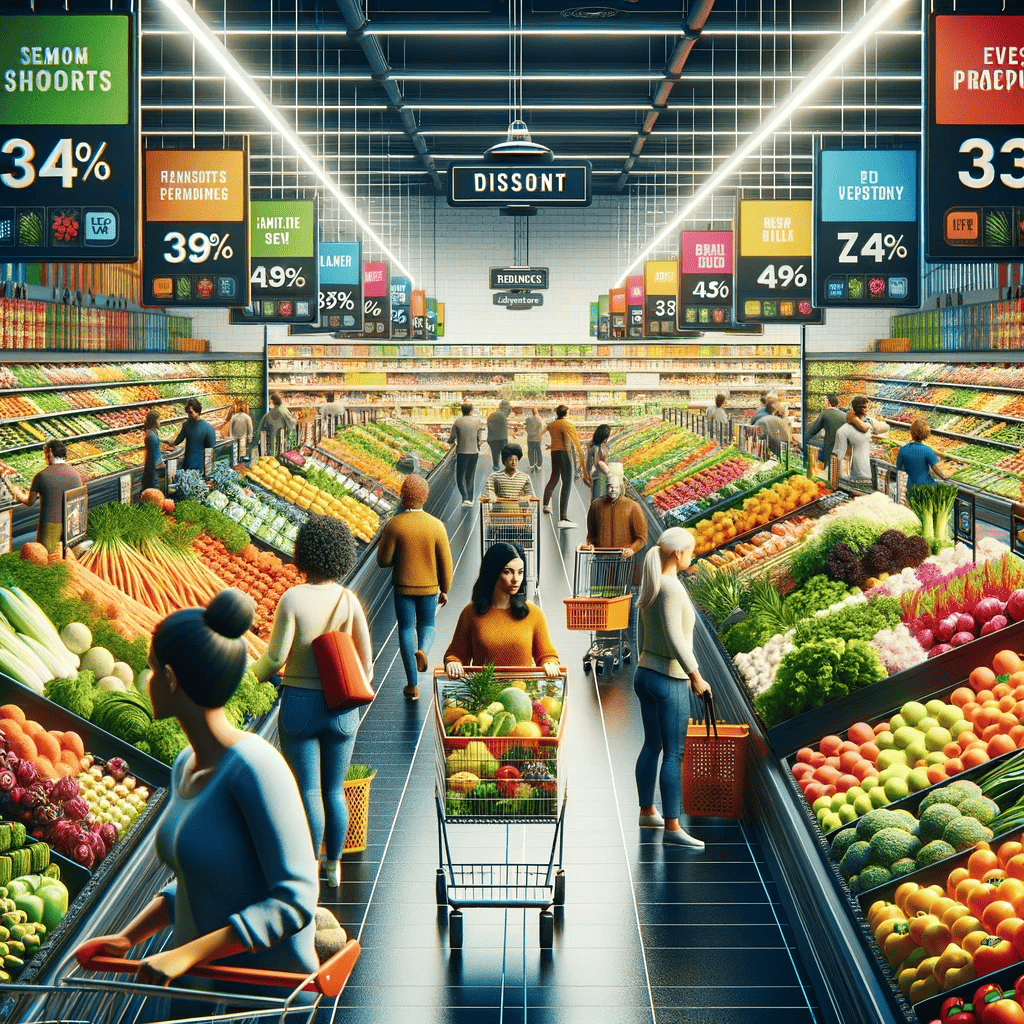
When it comes to eating on a budget, one of the most effective strategies is to compare prices and shop at different stores. While it may require some extra time and effort, the potential savings can be significant.
Start by researching local grocery stores and supermarkets in your area. Take note of their regular prices for common items on your shopping list.
By keeping track of these prices, you’ll have a better understanding of which stores offer the best deals on various products. Remember to consider factors such as quality, location, and accessibility when deciding where to shop.
In today’s digital age, online grocery shopping platforms provide an excellent opportunity to compare prices conveniently. Many supermarket websites or dedicated apps allow users to create digital shopping lists and compare prices across different retailers with just a few clicks. Take advantage of this convenience by exploring various online platforms that offer price comparison features.
These tools not only save you time but also help you find the best deals without physically visiting multiple stores. By comparing prices online before making your purchase, you can make informed decisions that maximize your savings while staying within your budget.
Another vital aspect of smart shopping is capitalizing on sales, discounts, and coupons whenever possible. Keep an eye out for weekly flyers or newsletters from local grocery stores that highlight discounted items. Plan your meals around these sales to take advantage of reduced prices on key ingredients or food items you regularly consume.
Additionally, explore digital coupon websites or apps that offer virtual coupons redeemable at participating retailers. These coupons can range from discounts on specific products to money-saving deals when you spend above a certain threshold.
Buying in bulk is a tried-and-true method of saving money on groceries. Purchasing larger quantities of non-perishable items, such as rice, pasta, canned goods, and cleaning supplies, can significantly lower the per-unit cost. Warehouse stores and wholesale retailers are excellent places to find bulk items at discounted prices.
However, it’s important to carefully consider your storage space and consumption rate before buying in large quantities. Make sure you have adequate storage solutions in place for items that you purchase in bulk.
When comparing similar products or sizes offered by different brands or package sizes, it’s essential to understand unit prices. Unit price refers to the cost per standard unit of measurement (e.g., ounce, pound) of a specific product. By comparing unit prices across different options, you can make more informed decisions about which product offers the best value for your money.
Keep in mind that smaller packages often have higher unit prices compared to larger ones. However, it’s crucial to evaluate if the quantity matches your needs and if you can consume or store the product before it spoils.
After purchasing items in bulk, proper storage is key to prevent waste and ensure their longevity. The way you store products can impact their quality and shelf life over time. For example, dry goods such as grains and legumes should be stored in airtight containers placed in cool, dark areas like pantries or cupboards away from heat sources or sunlight.
Canned goods should be kept in a cool dry place with consistent temperatures to avoid spoilage or damage to packaging integrity. Additionally, items like meat or produce can be divided into smaller portions and frozen for future use. Labeling containers with the purchase date can help you keep track of their freshness.
By implementing proper storage techniques, you can extend the shelf life of bulk purchases, minimizing waste and saving money in the long run.
Maximizing Nutritional Value on a Budget

Choosing affordable yet nutritious foods
When eating on a budget, it’s essential to prioritize foods that provide the most nutritional bang for your buck. One effective strategy is to opt for whole grains over processed options.
Whole grains like brown rice, quinoa, and whole wheat pasta are not only more affordable but also rich in fiber, vitamins, and minerals. They offer sustained energy and promote digestive health.
By incorporating these nutritious alternatives into your meals, you can ensure that you’re getting the essential nutrients without breaking the bank. Another way to maximize nutritional value while saving money is by incorporating more plant-based proteins into your meals.
Plant-based proteins such as beans, lentils, tofu, and tempeh are often cheaper than animal-based protein sources like meat and poultry. They are also packed with fiber and contain no cholesterol.
These plant-based alternatives provide ample amounts of protein while reducing your grocery bill. Experimenting with various recipes can help you discover delicious ways to incorporate these affordable protein sources into your diet while still enjoying a diverse range of flavors.
Making the most out of leftovers and reducing food waste
Reducing food waste not only benefits the environment but also helps stretch your food budget further. One effective way to make the most out of leftovers is by creatively repurposing them into new dishes.
For example, leftover roasted vegetables can be transformed into a hearty frittata or added to soups and stir-fries for added flavor and nutrients. Overripe fruits can be used in smoothies or baked goods like banana bread or apple crisp.
Proper storage methods play a crucial role in extending the shelf life of perishables, allowing you to minimize food waste effectively. For instance, storing fruits like berries in breathable containers lined with paper towels helps absorb excess moisture and prolong their freshness.
Additionally, storing vegetables like carrots and celery submerged in water in the refrigerator keeps them crisp for longer. By implementing these storage techniques, you can ensure that your perishable foods remain fresh, reducing the need for frequent grocery trips and preventing unnecessary waste.
Thrifty Cooking Techniques
Cooking from Scratch versus Buying Pre-packaged Meals
When it comes to eating on a budget, one of the most effective strategies is to cook from scratch rather than relying on pre-packaged meals. Not only does cooking from scratch give you more control over the ingredients used, but it also allows you to save a significant amount of money in the long run.
While pre-packaged meals may seem convenient, they are often loaded with unhealthy additives and preservatives that can be detrimental to both your health and your wallet. By preparing meals at home using fresh ingredients, you have the power to choose high-quality and affordable options.
Benefits of Homemade Meals in Terms of Cost and Health
Opting for homemade meals instead of pre-packaged alternatives offers numerous benefits when it comes to both cost and health. Firstly, cooking at home allows you to buy ingredients in bulk, which is generally cheaper than purchasing single-serving packaged items.
Furthermore, by preparing your own meals, you can ensure that they are nutritionally balanced and tailored according to your dietary needs or preferences. This approach not only saves money but also promotes a healthier lifestyle by reducing reliance on processed foods that tend to be high in sodium, sugar, and unhealthy fats.
Easy Recipes for Beginners to Try at Home
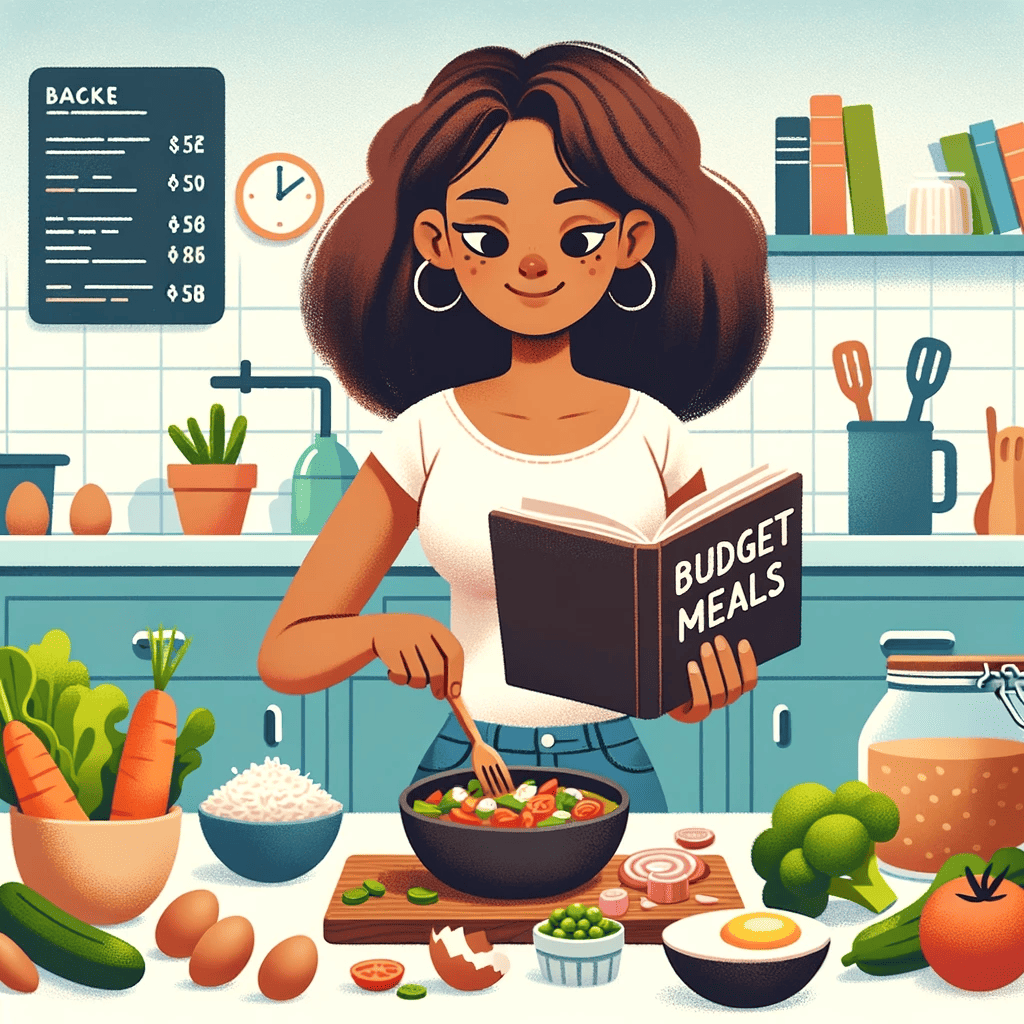
For those who are new to cooking or feel overwhelmed by complicated recipes, there are plenty of simple yet delicious dishes that can be prepared without breaking the bank. One such example is a classic vegetable stir-fry. This versatile dish allows you to use an array of affordable vegetables such as bell peppers, broccoli florets, carrots, and snap peas sautéed in a flavorful sauce made from low-cost pantry staples like soy sauce, garlic powder, ginger powder, and honey (or an alternative sweetener).
Another beginner-friendly recipe is a hearty vegetable soup made by simmering chopped vegetables (carrots, celery, onions, and potatoes) in a vegetable broth seasoned with herbs and spices. These recipes require minimal cooking skills but deliver maximum flavor and nutritional value.
Getting Creative with Inexpensive Ingredients
When working with a limited budget, it’s crucial to discover the potential of inexpensive ingredients that offer great versatility. One such ingredient is rice – an affordable staple that can be transformed into various satisfying meals.
From stir-fries and rice bowls to fried rice and pilaf, the possibilities are endless. Canned beans are another budget-friendly gem that can be utilized in multiple dishes such as soups, stews, salads, or even mashed into flavorful spreads like hummus.
Eggs are yet another versatile and low-cost ingredient that can be used for breakfast dishes like omelets or incorporated into main courses like frittatas or quiches. By exploring these inexpensive ingredients creatively, you’ll discover the limitless opportunities they offer for creating wholesome and affordable meals.
Exploring Versatile Ingredients That Can Be Used in Multiple Dishes
To stretch your food budget further while still enjoying varied meals, it’s essential to explore versatile ingredients that can be used across different dishes. Potatoes are a prime example of such an ingredient – they can be roasted for a side dish, mashed as a comforting main course element or turned into crispy potato pancakes for breakfast. Similarly, chicken thighs are more economical than chicken breasts but can be used interchangeably in many recipes without compromising taste or texture.
Other versatile ingredients include canned tomatoes (for pasta sauces or soups), oats (for both sweet and savory preparations), and frozen vegetables (to add nutrition to stir-fries or casseroles). By incorporating these adaptable ingredients into your meal planning, you’ll increase variety while keeping your grocery expenses under control.
Tips for Adding Flavor without Breaking the Bank
Flavorful meals don’t have to be expensive. There are several budget-friendly ways to add depth and taste to your dishes without compromising your wallet. Utilizing herbs and spices is a fantastic way to enhance flavors without breaking the bank.
Dried herbs like oregano, thyme, or rosemary can bring aroma and taste to various recipes, while spices such as cumin, paprika, or turmeric can add complexity and warmth. Additionally, incorporating citrus juice or zest into sauces or dressings can provide a burst of freshness and tanginess without requiring expensive ingredients.
Another tip is to make use of affordable condiments like soy sauce, vinegar (such as apple cider or balsamic), or mustard to amplify flavors in marinades, salad dressings, or sautés. By being mindful of these budget-friendly flavor-enhancing techniques, you can elevate even the simplest of meals into culinary delights.
Additional Money-Saving Tips
Growing your own herbs, vegetables, or fruits
Cultivating Savings and Flavor in Your Own Backyard One fantastic way to save money on your grocery bill while enhancing the taste and freshness of your meals is by growing your own herbs, vegetables, or fruits.
Even if you have limited space or lack a traditional garden, you can still enjoy the benefits of homegrown produce. Start by considering what herbs or vegetables are most commonly used in your cooking and select those that are relatively easy to grow.
Herbs like basil, rosemary, and mint thrive in small pots on a windowsill or balcony. For larger spaces, consider growing lettuce, tomatoes, or peppers.
If you have a yard with ample sunlight, you could even plant fruit trees such as apple or lemon. By investing a little time and effort upfront to nurture these plants, you’ll not only save money but also have access to fresh ingredients right at your fingertips.
Conclusion
Nourishing Your Wallet and Well-being Eating on a budget doesn’t mean compromising on taste or nutrition; it’s about being resourceful and finding creative ways to stretch your dollars further.
By implementing the strategies discussed throughout this article – from budgeting wisely for food purchases and employing smart shopping tactics to maximizing nutritional value through thrifty cooking techniques – you can pave the way towards more sustainable financial choices without sacrificing quality meals. Remember that eating on a budget can be an opportunity for exploration and innovation.
Embracing new recipes using affordable ingredients can lead to surprising culinary adventures. Ultimately, adopting a mindful approach towards food consumption not only supports our financial wellbeing but also promotes healthier eating habits while cultivating gratitude for what we have.
So embark on this journey of mindful eating within your means – discovering the joy of cooking from scratch with fresh ingredients sourced judiciously, trying new recipes that make the most of affordable produce, and experiencing the satisfaction of growing your own herbs or vegetables. By doing so, you’ll not only find yourself on a more solid financial footing but also savoring the inherent rewards of creativity, sustainability, and well-being that come with truly nourishing yourself and those around you.