Introduction
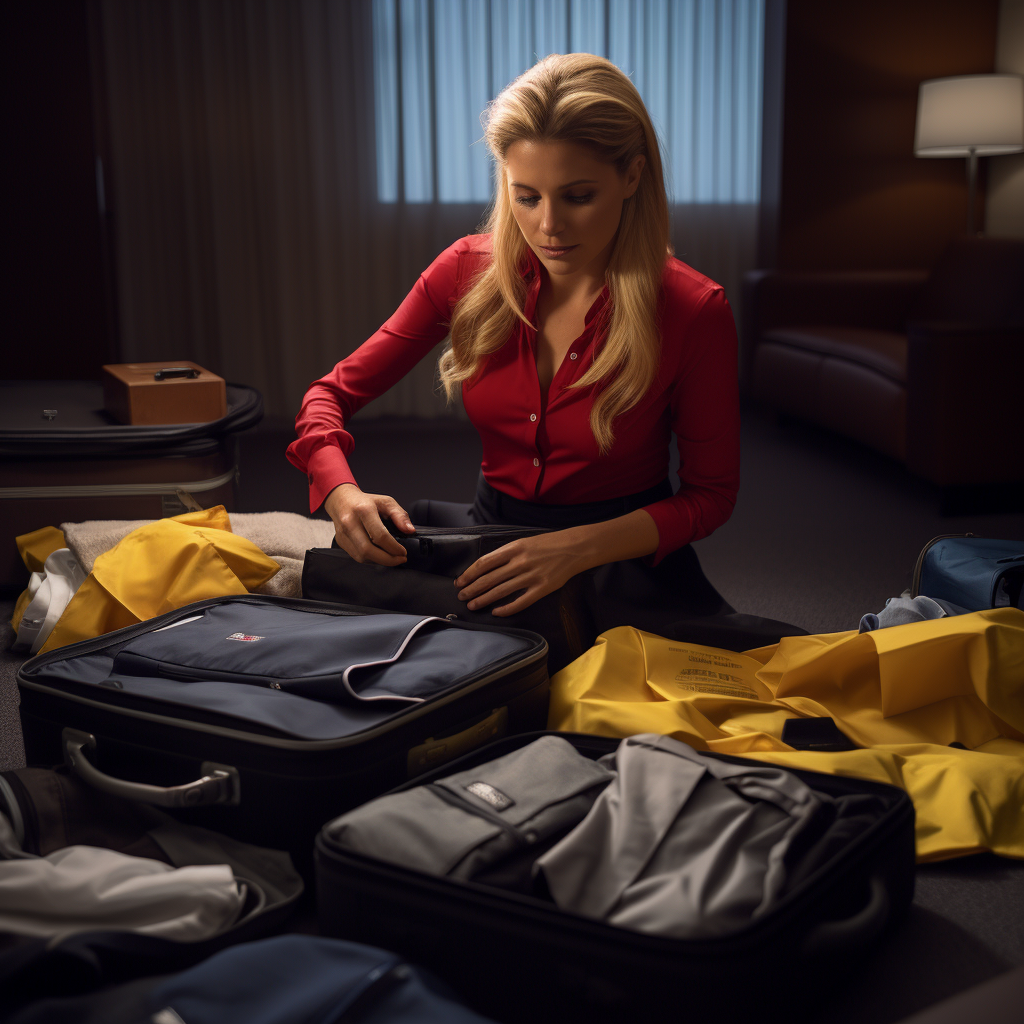
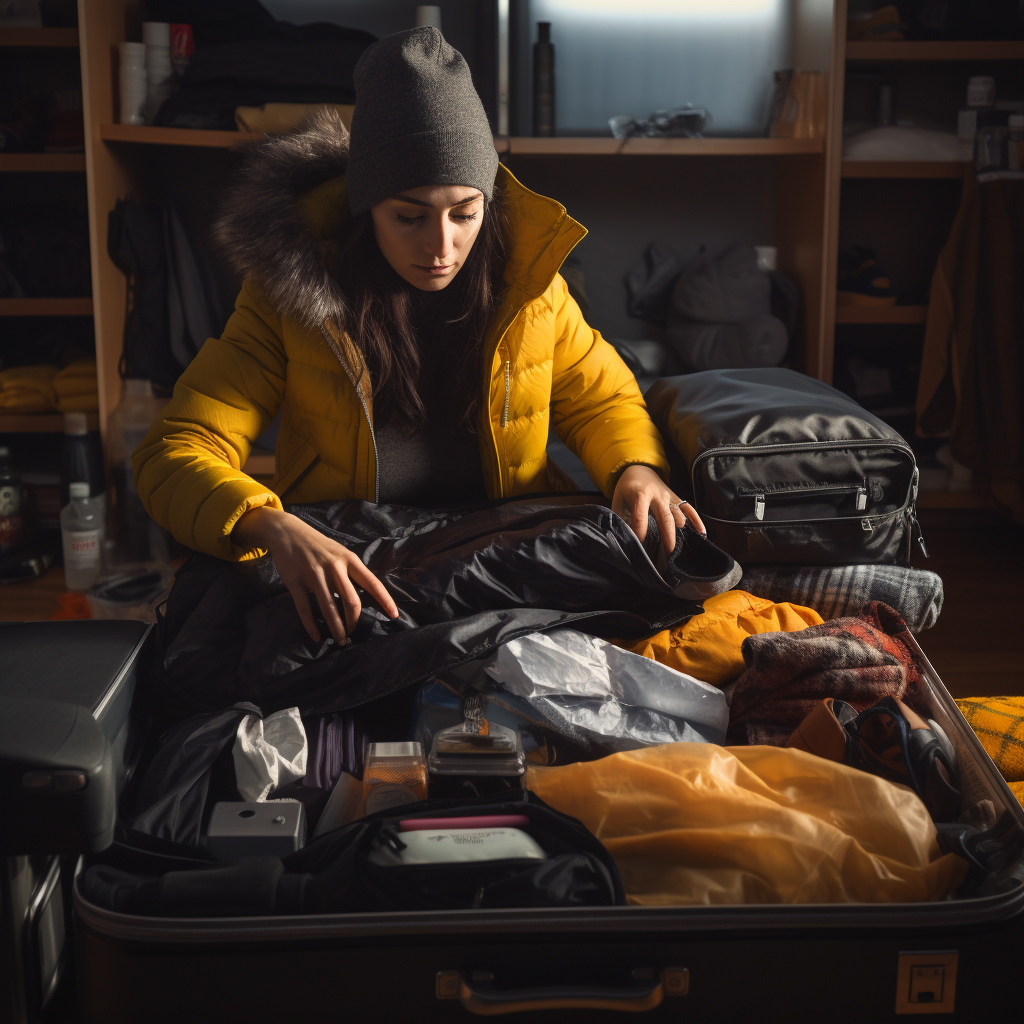
Packing for a trip can often be a daunting task, filled with decisions and uncertainties. However, by mastering the art of efficient carry-on packing, you can transform your travel experience into one of ease and convenience. This article aims to provide you with valuable tips and insights on how to pack smartly for your next adventure, enabling you to make the most of your journey without the burden of excess baggage.
The Importance of Efficient Carry-on Packing

Efficient carry-on packing is not merely a matter of convenience; it is an essential skill that can greatly enhance your travel experience. By carefully selecting and organizing your belongings, you avoid the hassle and stress associated with checking in luggage, waiting at baggage claim areas, or risk losing your possessions during transit.
Moreover, by adhering to airline regulations on carry-on size and weight limits, you ensure a smooth transition through security checkpoints. This means less time spent rummaging through oversized bags or worrying about complying with TSA rules regarding liquids and other restricted items.
The Benefits of Traveling with Only a Carry-on Bag
Traveling exclusively with a carry-on bag offers numerous advantages that go beyond mere practicality. First and foremost, it provides you with unparalleled freedom and mobility throughout your journey.
Without bulky suitcases or heavy bags weighing you down, you can navigate airports swiftly without any unnecessary delays or physical strain. In addition to physical freedom, traveling light enables more flexibility in terms of transportation options.
With only a carry-on bag by your side, there is no need to rely on taxis or shuttle services; instead, public transport becomes accessible and budget-friendly. Furthermore, should there be any unexpected changes or delays in your itinerary – such as canceled flights or missed connections – having all essentials in your possession guarantees that you remain self-sufficient and ready to adapt to any situation.
Overview of the Outline
In this comprehensive guide, we will delve into various aspects of efficient carry-on packing, providing you with invaluable insights and practical tips. We will begin by exploring the fundamental importance of this skill, highlighting the advantages it offers. Next, we will discuss airline regulations and restrictions concerning carry-on luggage, ensuring you are well-informed before embarking on your trip.
Following that, we will guide you in choosing the perfect carry-on bag that meets your specific needs. We will then move on to discuss the essential items that should always find a place in your carry-on bag.
From crucial travel documents and identification essentials to personal care items tailored for convenience and security, we have got you covered. Additionally, we will explore strategic packing techniques aimed at optimizing space and organization within your limited carry-on dimensions.
We will provide additional tips and tricks for efficient carry-on packing – from harnessing technology to minimize physical belongings to packing snacks for sustenance during long journeys. By embracing these strategies and insights throughout this article, you too can become a master of efficient carry-on packing.
Understanding Airline Regulations and Restrictions

Researching Specific Airline’s Carry-on Size and Weight Limits
When embarking on a journey, it is vital to familiarize oneself with the specific regulations and restrictions imposed by the airline you’ll be flying with. Each airline has its own set of rules regarding carry-on baggage size and weight limits, which can vary significantly. By taking the time to research these guidelines well in advance, you can avoid any last-minute surprises or potentially having to check your bag at an extra cost.
To determine the precise dimensions allowed for your carry-on luggage, visit the airline’s official website or refer to their terms and conditions. These dimensions typically include both length and width measurements, ensuring that your bag fits within their overhead compartments.
Additionally, it is equally important to be aware of weight restrictions imposed by airlines as exceeding these limits could result in additional fees or having to check your bag. This knowledge will allow you to select a suitable carry-on bag that complies with the specified requirements while maximizing space efficiency.
Knowing the TSA Rules on Liquids, Gels, and Other Restricted Items
Navigating through security checkpoints can often be a stressful experience for travelers. Familiarizing yourself with Transportation Security Administration (TSA) rules regarding liquids, gels, and other restricted items can help streamline this process considerably while avoiding unnecessary delays.
The TSA enforces a strict 3-1-1 rule for liquids: each passenger is permitted one quart-sized clear plastic bag containing containers no larger than 3.4 ounces (100 milliliters) each. This applies not only to toiletries but also includes items such as makeup, creams, pastes, and even beverages brought from outside security areas.
It is crucial to pack these items in an easily accessible part of your carry-on so that they can be conveniently presented during security checks. Additionally, it’s important to be aware of other restricted items, such as sharp objects, firearms, and certain sports equipment.
These items are strictly prohibited in carry-on baggage and must be properly packed or left behind to ensure compliance with TSA regulations. By familiarizing yourself with these guidelines and packing accordingly, you can expedite the security screening process and focus on enjoying your journey without any unnecessary complications.
Tips for Navigating Through Security Checkpoints Smoothly
Passing through airport security checkpoints can often feel like a daunting task. However, with some careful planning and organization, you can make this experience much more efficient and stress-free. Firstly, arrive at the airport well ahead of your departure time to allow ample time for security screening.
This will help alleviate any anxiety caused by rushing through the process or potentially missing your flight. Utilize resources such as TSA PreCheck or Global Entry if eligible to access dedicated lanes that often have shorter wait times.
Ensure that all liquids, gels, and aerosols in your carry-on are packed in a clear plastic bag before reaching security checkpoints. This allows for easy inspection by TSA officers without causing any delays.
Additionally, remember to remove laptops or other electronic devices from their cases and place them separately in a bin provided at the checkpoint. To save time during the screening process, wear shoes that are easy to slip off and on while also being comfortable for walking long distances within the airport terminal.
Avoid wearing excessive metal jewelry or belts that may trigger metal detectors unnecessarily. By adhering to these guidelines and adopting an organized approach when approaching security checkpoints, you can minimize stress levels while ensuring a smooth transition from check-in to boarding gate during your journey
Choosing the Right Carry-on Bag

Types of Carry-on Bags Available
When it comes to selecting the perfect carry-on bag, you’re presented with a plethora of options. The choice mainly revolves around three popular types: backpacks, duffel bags, and rolling suitcases.
Each type offers its own set of advantages and is suited for different travel styles. Backpacks are a versatile option for those who prefer a hands-free experience.
They distribute weight evenly on your shoulders and back, making them ideal for navigating crowded airports or exploring urban destinations. Look for backpacks specifically designed for travel; they often come with multiple compartments, padded laptop sleeves, and built-in organization features.
Duffel bags are another fantastic choice, particularly if you prefer a more flexible and lightweight option. They offer ample space while being easy to carry on your shoulder or by hand.
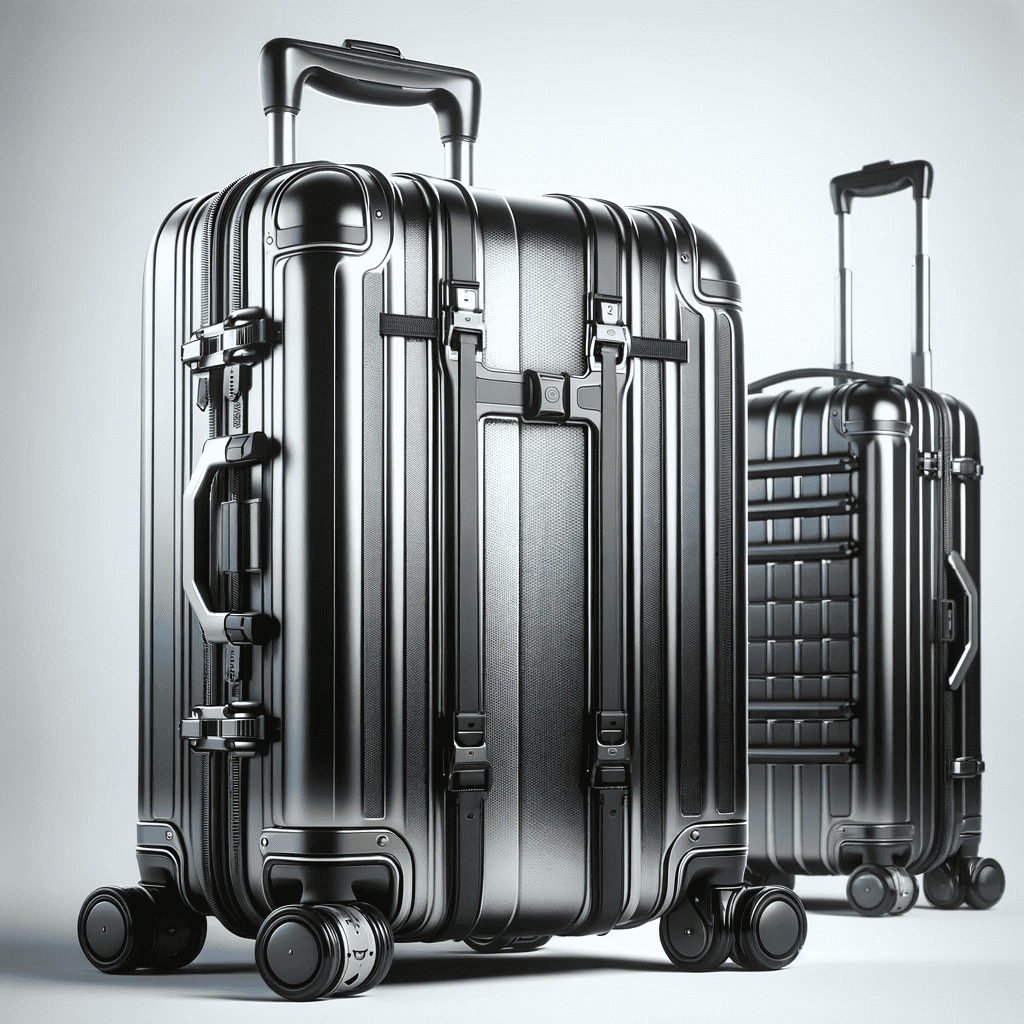
Duffels with detachable shoulder straps or wheels provide added convenience for longer journeys or when you need to switch between carrying options. Rolling suitcases are favored by many travelers due to their effortless maneuverability.
With sturdy wheels and retractable handles, they can smoothly glide through busy airport terminals or bustling city streets. Look for durable materials such as polycarbonate or ballistic nylon that can withstand rough handling during transit.
Factors to Consider When Selecting a Bag
While choosing the right type of carry-on bag is important, there are several key factors you should consider before making your final selection. Size plays a crucial role in ensuring compliance with airline regulations. Opt for bags that meet both domestic and international size requirements to avoid any unexpected hassles at check-in counters or gate inspections.
Remember that different airlines may have varying size restrictions, so it’s crucial to research beforehand. Durability is another vital aspect as your carry-on bag will endure rigorous use throughout your travels.
A well-constructed bag with high-quality materials, reinforced handles, and robust zippers will withstand the test of time and provide reliable protection for your belongings. Compartments and organizational features are essential for a well-organized packing experience.
Look for bags with multiple pockets, dividers, or built-in packing cubes to keep your items separated and easily accessible. Such compartments allow you to neatly store essentials like electronic devices, travel documents, toiletries, and clothing.
Recommendations for Popular Carry-on Bag Brands
With numerous brands vying for your attention in the market, it can be overwhelming to choose the best one. However, based on their reputation and customer reviews, a few brands stand out as top recommendations.
For backpacks: Osprey Farpoint 40 and Tortuga Setout Backpack offer excellent durability while providing comfortable carrying options. Both brands are known for their ergonomic designs that prioritize weight distribution and overall comfort during extended wear.
For duffel bags: Eagle Creek Cargo Hauler Duffel comes highly recommended due to its exceptional versatility and durability. Its water-resistant fabric ensures your belongings stay dry even in challenging weather conditions.
For rolling suitcases: Samsonite Omni PC Hardside Spinner Luggage is widely regarded as a reliable choice with its impact-resistant shell and smooth 360-degree spinner wheels. Travelpro Maxlite 5 Lightweight Expandable Luggage is another popular option known for its lightweight design without compromising on durability.
Remember that choosing the right carry-on bag ultimately depends on your personal preferences, travel requirements, and budget. Consider these factors carefully when deciding which brand or model aligns best with your needs before embarking on a seamless journey with the perfect carry-on companion.
Essential items to pack in your carry-on
Travel documents and identification essentials (passport, tickets, visas)
When embarking on any journey, it is crucial to ensure that you have all the necessary travel documents securely stored in your carry-on bag. First and foremost, having a valid passport is of utmost importance. Check its expiration date well in advance and make sure it has at least six months of validity remaining.
Additionally, carrying printed copies of your tickets, hotel reservations, and any necessary visas or permits is highly recommended. While electronic versions are convenient for backup, having physical copies can be invaluable in case of technological malfunctions or unforeseen circumstances.
Personal care items (toothbrush, travel-sized toiletries)
Maintaining personal hygiene during a trip is not only essential for comfort but also for overall well-being. Packing a toothbrush and toothpaste is an absolute must to keep your oral health in check throughout the journey.
To avoid carrying bulky full-sized toiletries that may exceed liquid restrictions, opt for travel-sized versions of essential items such as shampoo, conditioner, body wash or soap, lotion, and deodorant. These are widely available at most drugstores and can also be found as part of convenient travel kits.
Tips for organizing toiletries efficiently in a clear plastic bag
To streamline security procedures at airports while ensuring easy access to your toiletries during the trip itself, it’s advisable to organize them efficiently within a clear plastic bag. Start by selecting a durable transparent bag that meets TSA guidelines regarding size (typically one quart or one liter). Then place your travel-sized containers neatly within the bag; arranging them strategically will allow you to fit more items while still complying with regulations.
Suggestions for eco-friendly alternatives to single-use toiletries
In today’s world where sustainability is a growing concern, considering eco-friendly alternatives to single-use toiletries can make a positive impact on the environment. Instead of disposable items, opt for refillable bottles to carry your favorite shampoo and conditioner, or choose solid bar versions that eliminate the need for plastic packaging altogether.
Additionally, invest in reusable silicone or bamboo travel-sized containers that can be easily refilled with your preferred lotion or body wash. These small changes contribute significantly towards reducing plastic waste and promoting a greener way of traveling.
Clothing essentials for various weather conditions and trip durations
Packing suitable clothing based on the destination’s weather conditions and the length of your trip is vital to ensure comfort and adaptability. Check weather forecasts before finalizing your wardrobe choices, considering both daytime temperatures and nighttime variations.
Layering is key when dealing with unpredictable climates; pack lightweight shirts, sweaters, light jackets or cardigans that can be easily added or removed as needed. Additionally, include versatile pieces like neutral-colored pants or skirts that can be mixed and matched with different tops to create multiple outfits throughout the trip.
Tips for maximizing space by rolling clothes or using compression bags
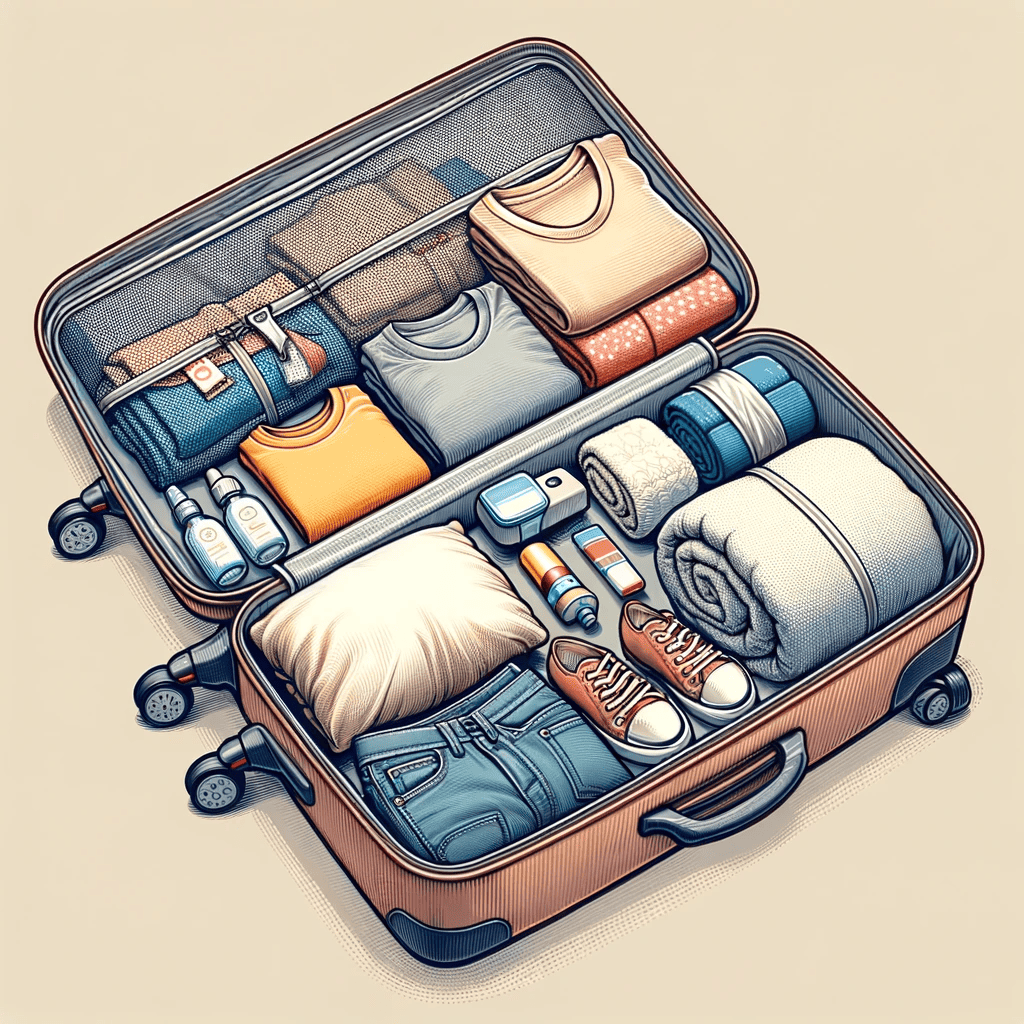
Optimizing space in your carry-on bag is essential when packing clothing items efficiently. One effective technique is rolling clothes rather than folding them; this not only saves space but also helps prevent wrinkles. Rolling also allows you to fit more items into tight spaces within your bag.
Another option worth considering is investing in compression bags specifically designed for travel. These bags allow you to pack more by removing excess air from bulky garments like sweaters or coats through a simple rolling or vacuum sealing process.
Recommendations on versatile clothing pieces that can be mixed and matched
Selecting versatile clothing pieces that seamlessly complement each other provides numerous outfit options while minimizing the number of garments you need to bring along. Opt for neutral colors such as black, white, or beige as a base and add pops of color with accessories. For instance, a well-fitted pair of dark jeans can be dressed up with a blazer for a sophisticated evening look or paired with a casual t-shirt for daytime explorations.
Scarves and statement jewelry also add flair to any outfit without taking up excessive space. By carefully curating your clothing choices, you’ll ensure maximum versatility while reducing the bulk in your carry-on bag.
Packing strategies to optimize space and organization
Utilizing packing cubes or organizers to separate different items
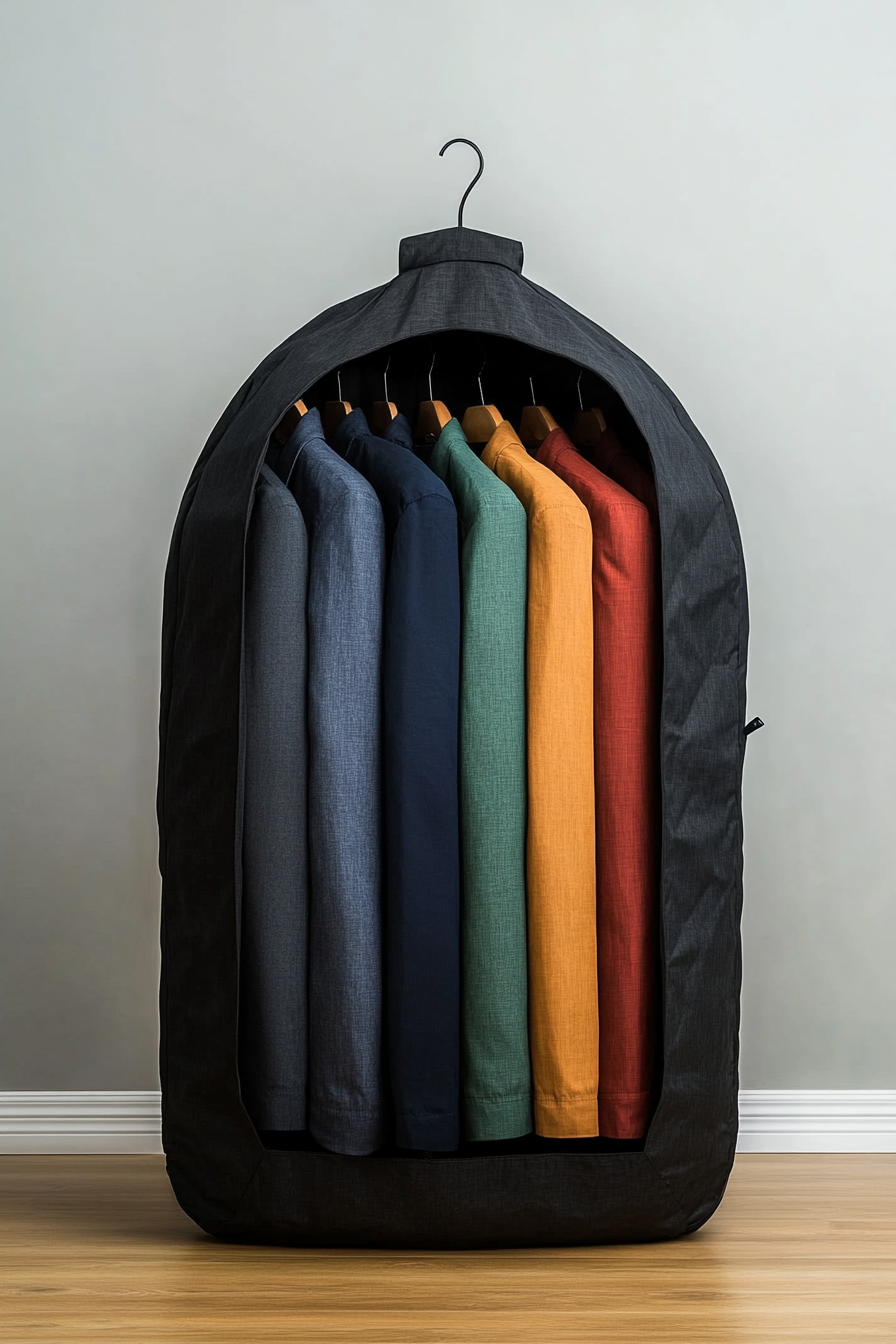
Packing cubes or organizers are essential tools for maximizing space and keeping your carry-on bag organized. These lightweight, fabric containers come in various sizes and shapes, allowing you to compartmentalize your belongings efficiently.
By using packing cubes, you can separate different categories of items, such as clothing, accessories, electronics, and toiletries, making it easier to locate specific items without rummaging through a cluttered bag. Start by rolling or folding your clothes neatly and placing them into the appropriately sized packing cubes.
This not only helps save space but also prevents clothing from becoming wrinkled during transit. You can further organize the cubes by color-coding them or labeling them for quick identification.
Additionally, consider using compression bags to further optimize space within each cube. These bags allow you to remove excess air from clothing items, reducing their overall volume significantly.
Layering technique to minimize wrinkles in clothing
The layering technique is a clever trick that can help minimize wrinkles in your clothes when traveling with a carry-on bag. To employ this strategy effectively, lay garments flat one on top of the other with the sleeves extended outwards.
Start with sturdier fabrics like jeans or trousers as the base layer and gradually add lighter materials such as shirts or blouses on top. Once all garments are layered together, fold them neatly from one end towards the other in a tight roll-like manner.
By doing this carefully and tightly enough, you create a compact bundle that minimizes creases while maximizing space efficiency. This technique is especially useful when packing delicate fabrics like silk or linen that tend to wrinkle easily.
Tips for packing shoes efficiently while keeping them clean
Shoes can be tricky to pack due to their bulkiness and potential to soil other items. To pack shoes efficiently, start by cleaning them thoroughly and allowing them to dry completely before your trip.
Stuffing the inside of each shoe with socks or small items like underwear can help maintain their shape and optimize space. Place shoes in individual shoe bags or use shower caps, which are lightweight and can serve as effective alternatives.
These protective covers not only keep the soles of your shoes separate from other items but also prevent dirt or debris from transferring onto clothing. Position the shoes near the bottom of your carry-on bag, utilizing any available nooks or corners to maximize space.
Remember that shoes take up valuable real estate in your luggage, so it’s best to limit them to two pairs: one for everyday use and another for more formal occasions if necessary. Consider wearing your bulkiest pair during transit to free up additional space in your bag.
Additional Tips and Tricks for Efficient Carry-On Packing
Utilizing Technology: Digital Copies of Travel Documents & E-books Instead of Physical Books
In today’s digital age, technology offers us a myriad of conveniences, and carry-on packing is no exception. One useful tip is to store digital copies of your travel documents, such as passport, visa, and boarding passes, on your smartphone or tablet.
This not only saves precious space in your bag but also ensures that important documents are easily accessible wherever you go. Additionally, storing e-books on an e-reader device or reading app on your device eliminates the need to carry bulky paperbacks or hardcovers.
You can have an entire library at your fingertips without adding any extra weight to your luggage. Furthermore, with digital copies of travel guides and maps readily available online or through dedicated travel apps, you can easily access all the information you need without having to carry heavy guidebooks.
This not only lightens your load but also allows for more flexibility during your travels as updated information is just a click away. Embracing technology in this way not only streamlines your packing process but also enhances the overall travel experience by providing convenience and efficiency.
Packing Snacks To Keep You Satisfied On-The-Go
While airlines often provide meals on longer flights, it’s always a good idea to pack some snacks in your carry-on bag for those moments when hunger strikes mid-flight or during layovers. Snacks like granola bars, nuts, dried fruits, or even homemade trail mix are perfect options that are easy to pack and won’t take up much space in your bag. These snacks will help keep hunger at bay without relying solely on airline food options.
Packing snacks also comes in handy when traveling to destinations where food availability might be limited during certain times or if dietary restrictions need consideration. By having a stash of your favorite snacks, you can ensure that you have something to enjoy while exploring new places or waiting for the next mealtime.
Additionally, having snacks readily available can save you money on overpriced airport or train station food. So, be sure to pack some tasty treats to keep yourself nourished and satisfied while on-the-go.
Conclusion
Efficient carry-on packing is an art that can significantly enhance your travel experience. By understanding airline regulations, choosing the right bag, and packing strategically, you can optimize space and organization in your carry-on luggage.
Utilizing technology by storing digital copies of travel documents and e-books allows for seamless access to essential information without adding extra weight to your bag. Moreover, packing snacks ensures that you have sustenance during long flights or in situations where food options may be limited.
Embrace the challenge of carry-on packing as an opportunity for creativity and resourcefulness. By implementing the tips provided in this article, you’ll not only avoid unnecessary baggage fees but also enjoy the freedom and convenience of traveling light.
So pack smartly, travel blissfully, and let the joys of exploring new destinations be unencumbered by heavy loads. Bon voyage!