Introduction
Solo travel, a concept once considered unconventional and daring, has emerged as a remarkable trend in recent years. The allure of embarking on a journey alone, free from the constraints of companionship, has captivated the hearts and minds of countless adventurous souls around the globe.
It is an experience that offers unparalleled freedom, self-discovery, and personal growth. As the world becomes more interconnected and accessible than ever before, solo travel has gained significant popularity, transcending age, gender, and cultural boundaries.
Definition of Solo Travel

Solo travel refers to exploring destinations independently without any companions or group members. It encapsulates the idea of venturing into unfamiliar territories with only oneself as a constant companion.
This liberating concept allows individuals to embrace solitude while immersing themselves in new cultures, places, and experiences. While some might perceive it as isolating or lonely at first glance, solo travel actually offers unparalleled opportunities for self-reflection and personal development.
Growing Popularity of Solo Travel
In recent years, there has been an exponential surge in the popularity of solo travel worldwide. No longer confined to niche communities or intrepid explorers seeking ultimate solitude in remote corners of the planet, solo travel has transitioned into a mainstream phenomenon embraced by people from all walks of life.
The reasons behind this surge are multifaceted. Firstly, societal shifts have led to changing lifestyles where individuals prioritize personal growth over traditional milestones such as marriage or starting a family.
Many people now view traveling alone as an empowering way to discover themselves outside of established roles or expectations. Secondly, advancements in technology have made traveling more accessible than ever before.
With just a few taps on their smartphones or laptops, solo travelers can book accommodations and flights effortlessly while accessing maps and recommendations from fellow adventurers online. But crucially important is the growing acceptance and recognition of the benefits of solo travel.
People are now aware that solo travel can cultivate independence, resilience, and self-confidence. It offers an unparalleled opportunity for introspection and self-discovery that is difficult to replicate in any other setting.
Importance of Travel Tips for Solo Travelers
While solo travel is undoubtedly an extraordinary experience, it does come with unique challenges and considerations. The importance of equipping oneself with essential travel tips cannot be overstated. These tips serve as a guiding compass, ensuring safe and fulfilling journeys.
Travel tips for solo travelers encompass various aspects such as pre-trip planning, packing essentials, safety precautions, cultural understanding, and more. They help travelers navigate unfamiliar territories with confidence while mitigating risks and maximizing enjoyment.
In the forthcoming sections of this article, we will delve deeper into these pivotal aspects to provide comprehensive guidance for those embarking on solo adventures. Whether you are a seasoned explorer or contemplating your first independent journey, these travel tips will serve as invaluable tools to enhance your experiences while ensuring your safety and well-being throughout your travels.
Choosing the Right Destination for Solo Travel
Safety, Culture, and Language Barriers: Factors to Consider
Embarking on a solo travel adventure requires careful consideration when choosing a destination. Safety should always be a top priority.
Researching the safety records and current situations of potential destinations is crucial. Look for places with low crime rates, stable political landscapes, and reliable healthcare systems.
It’s also wise to check travel advisories issued by your country’s government or international organizations. While safety is paramount, considering the cultural aspects of a destination is equally important.
Understanding the local customs and traditions can enhance your experience and help you blend in with the local community. Take into account factors such as language barriers – if you don’t speak the local language, it’s beneficial to choose a destination where English or another language you’re familiar with is widely spoken.
Recommended Destinations for First-Time Solo Travelers
For first-time solo travelers, there are several destinations that are known to be particularly welcoming and safe. Places like Iceland offer stunning natural landscapes coupled with a low crime rate, making it an excellent choice for those seeking solitude in nature.
Another popular option is New Zealand, which provides an abundance of outdoor activities alongside friendly locals who are often eager to engage with solo travelers. For those interested in immersing themselves in vibrant cultures while feeling secure, countries like Japan and Denmark stand out.
Japan offers an array of unique cultural experiences while maintaining high levels of safety throughout its cities. Denmark boasts one of the lowest crime rates globally while providing ample opportunities for solo exploration in its charming cities like Copenhagen.
Researching Local Customs and Traditions

Cultural Etiquette: Greetings, Dress Code, Table Manners
Immersing oneself in another culture involves respecting local customs and traditions; this contributes to a more enjoyable and respectful travel experience. Familiarize yourself with the appropriate greetings in the destination country, as customs can vary widely.
In some cultures, a handshake may be the norm, while others may prefer a bow or cheek kisses. Understanding these greetings will help you make a positive first impression and show respect to locals.
Dress code is another essential aspect of cultural etiquette. Some countries have conservative dress standards, especially for visiting religious sites or entering formal establishments.
Research appropriate attire in advance to avoid any unintended offense and ensure seamless integration into local society. Table manners can also differ greatly from one culture to another.
Knowing basic dining etiquette can prevent unintentional faux pas. For example, in some cultures, it’s customary to leave a small amount of food on the plate after finishing a meal as a sign of satisfaction, while in others it may be seen as wasteful.
Understanding Local Laws and Regulations
To ensure your safety and avoid legal troubles during your solo journey, understanding local laws and regulations is essential. It’s crucial to research specific rules related to activities you plan on engaging in – from photography restrictions at religious sites to drug laws that may differ significantly from your home country.
By familiarizing yourself with local laws beforehand, you’ll be better equipped to navigate potential challenges when interacting with law enforcement or authorities. This knowledge allows you to confidently enjoy your trip without unexpected legal complications that could arise due to ignorance about local regulations.
Creating a Detailed Itinerary and Sharing It with a Trusted Contact Back Home
The Importance of Having a Structured Plan for Safety Reasons
When traveling alone, having a well-planned itinerary ensures your safety by providing structure and minimizing potential risks associated with spontaneity. A detailed plan helps you stay organized throughout your trip so that you don’t find yourself lost or unprepared for unforeseen circumstances.
By pre-planning your activities, accommodations, and transportation, you can make informed decisions about the safest routes and the best times to visit certain places. This level of preparation allows you to focus on enjoying the experience rather than worrying about logistics.
The Benefits of Sharing Itinerary with Someone Trustworthy
Sharing your itinerary with a trusted contact back home is an additional safety measure every solo traveler should consider. By providing a copy of your detailed plan to someone who knows where you are supposed to be at any given time, you have an extra layer of security and peace of mind.
In case of any unforeseen circumstances or emergencies, your trusted contact can be informed promptly and assist in taking appropriate action. They can also reach out to local authorities if necessary.
This open line of communication ensures that even when traveling alone, you are not truly isolated but connected to a support system that can offer guidance or assistance when needed. Remember, solo travel can be exhilarating and rewarding; however, thorough pre-trip planning is vital for a safe and fulfilling journey.
Packing Essentials

Choosing the right luggage
Embarking on a solo adventure requires careful consideration when it comes to selecting the ideal luggage. The type of luggage you choose will significantly impact your travel experience.
Backpacks, suitcases, and duffel bags each have their advantages and drawbacks, so it’s essential to weigh them carefully before making your decision. Backpacks are a popular choice among solo travelers due to their versatility and mobility.
They provide freedom of movement, particularly in crowded places or when navigating public transportation. However, they may lack the structure and organization that suitcases offer, which can make finding items more challenging.
Suitcases, on the other hand, provide better organization with compartments and pockets. Their wheels make navigating airports or uneven terrain effortless.
However, they might be cumbersome when climbing stairs or walking long distances. Duffel bags strike a balance between backpacks and suitcases.
They offer more flexibility than traditional suitcases while still providing some organizational features. However, they may not be as easy to maneuver as backpacks or rollable suitcases.
Tips for packing light without sacrificing essentials
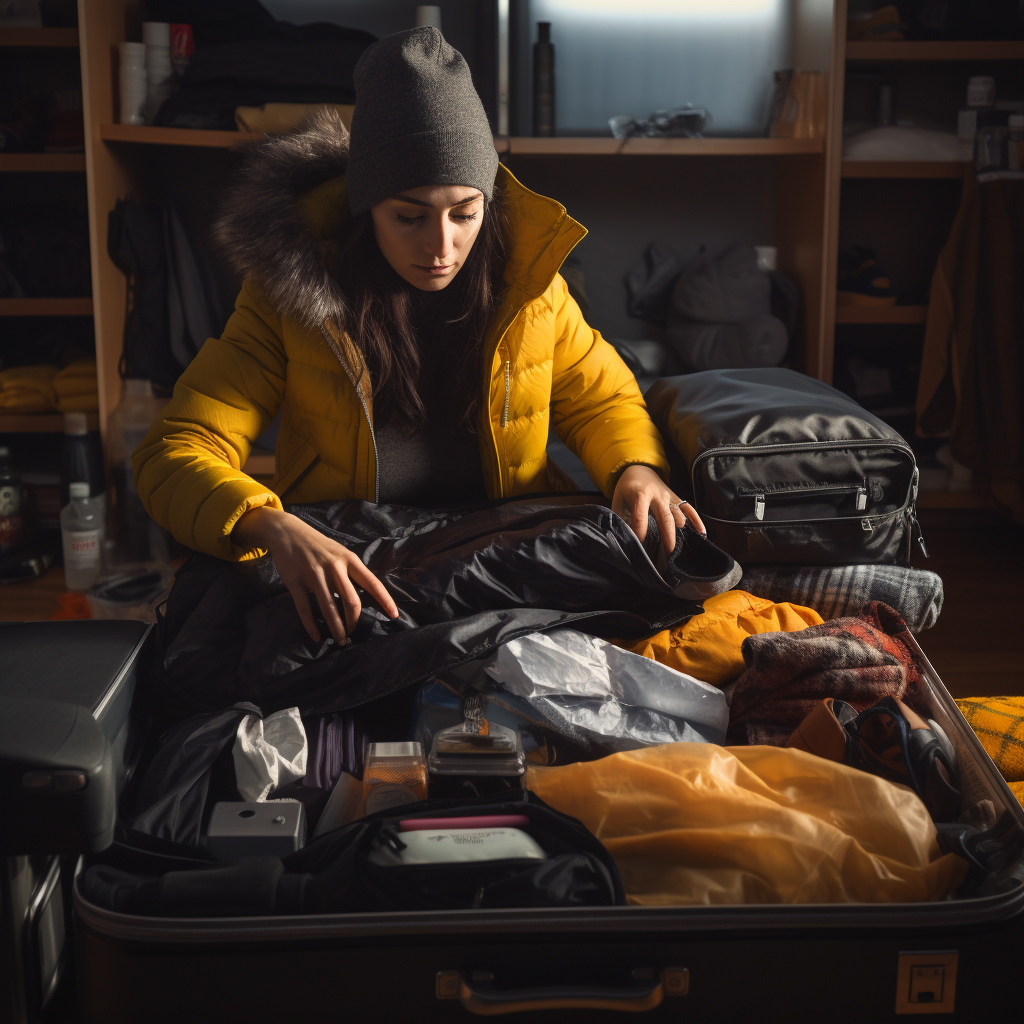
When embarking on a solo journey, packing light is key to ensuring convenience and ease throughout your trip.
Here are some tips for streamlining your packing without compromising essential items:
1. Make a comprehensive list: Before starting to pack, create a detailed checklist of all the items you’ll need for your trip. This will help you prioritize what’s necessary and eliminate unnecessary items.
2. Plan outfits based on versatility: Pack clothing pieces that can be mixed and matched for various occasions while considering the destination’s climate and activities you plan on engaging in during your travels.
3.Layering techniques: Layering is an excellent strategy for adapting to changing weather conditions while minimizing bulk in your luggage. Opt for lightweight clothing layers that can easily be added or removed as needed.
4. Utilize clothing with hidden pockets: Invest in travel clothing with hidden pockets to keep your valuables secure. These specialized garments often feature concealed compartments that can hold passports, credit cards, or cash, providing an extra layer of security.
In addition to clothing essentials, technology plays a crucial role in modern-day travel. Don’t forget to pack portable chargers and adapters for your electronic devices to ensure you stay connected throughout your journey.
Furthermore, consider downloading safety apps and navigation tools on your smartphone to enhance your personal security and make navigating unfamiliar territories more manageable. By implementing these practical packing tips, you can create a well-organized and efficient travel experience without compromising on the essentials.
Safety Tips
Researching safety concerns in the chosen destination:
When embarking on a solo travel adventure, it is crucial to prioritize your safety. One of the initial steps in ensuring a secure journey is to thoroughly research safety concerns specific to your chosen destination. This includes familiarizing yourself with common scams or tourist-targeted crimes prevalent in the area.
By being aware of these tactics employed by criminals, you can better protect yourself from falling victim. Study up on local news articles, travel forums, and government websites for information regarding common scams and crimes that tourists should be cautious about.
Additionally, gaining an understanding of local emergency services can prove invaluable in times of need. Accidents and unforeseen circumstances can happen anywhere, and being aware of emergency contact numbers and procedures will enable you to respond effectively during an emergency situation.
Take note of the local police station or emergency hotline number and save it in your phone contacts for quick access. Additionally, it is advisable to find out where nearby medical facilities are located for any urgent medical needs that may arise during your trip.
Staying vigilant while exploring:
Exploring new destinations alone can be exhilarating, but it is important to exercise caution throughout your journey. To maintain personal safety, avoid isolated areas at night when venturing out alone. Stick to well-populated areas with good lighting whenever possible as this tends to deter potential criminals.
Use trustworthy transportation options such as registered taxis or reputable ride-sharing services rather than accepting rides from strangers. Moreover, trusting your instincts plays a vital role in keeping yourself safe while interacting with strangers.
If something feels off or uncomfortable about a person or situation, trust those gut feelings and remove yourself from the situation promptly. Remember that politeness should never override personal safety concerns – it’s okay to decline offers or walk away if you feel uneasy.
Taking precautions with personal belongings is another essential aspect of staying safe during solo travel. Keep your valuables, such as passports, credit cards, and cash, secure in a money belt or hidden pockets.
Avoid flaunting expensive items or large amounts of cash in public. By being discreet and mindful of your surroundings, you significantly reduce the chances of becoming a target for theft.
Conclusion
As you embark on your solo travel journey, remember that safety should always remain at the forefront of your mind. By researching safety concerns in your chosen destination, understanding local emergency services, staying vigilant while exploring, and taking precautions with personal belongings, you can enhance your overall safety and peace of mind throughout your trip. While it’s important to be prepared and cautious, it’s also essential to embrace the freedom and joy that solo travel brings.
By following these safety tips and arming yourself with knowledge about potential risks, you can confidently explore new cultures and create unforgettable experiences on your solo adventures. So pack your bags with enthusiasm but also remember to pack a sense of awareness for a safe and delightful journey ahead!