Introduction
The Lifeline of Urban Mobility

Public transportation plays a vital role in modern society. It provides a convenient and sustainable mode of transportation for millions of people worldwide.
Public transportation reduces traffic congestion, decreases air pollution, and conserves energy resources by efficiently moving large numbers of passengers. The lifeline connects communities and enables people to access education, employment opportunities, healthcare facilities, and various amenities.
A Multitude of Benefits
Using public transportation offers numerous benefits on both individual and societal levels. Firstly, it significantly reduces the number of cars on the road, leading to less traffic congestion and shorter commute times. This improves overall efficiency and productivity in cities.
Secondly, relying on public transportation contributes to reduced carbon emissions and helps combat climate change by minimizing reliance on private vehicles. Moreover, public transportation is often more affordable than maintaining a personal vehicle with costs such as fuel, parking fees, insurance, and maintenance expenses.
Additionally, public transport allows individuals to multitask during their commute by reading books or catching up on work using laptops or smartphones without having to focus on driving responsibilities. This time-efficient mode also provides an opportunity for social interactions among commuters while fostering a sense of community in urban spaces.
Ultimately, embracing public transportation leads to better quality of life by promoting sustainable development patterns that prioritize accessibility for all individuals regardless of their socio-economic background or physical abilities. Next section: General Public Transportation Tips
General Public Transportation Tips
Research and plan your route in advance

Utilize online resources and apps to gather accurate information about your intended route. These tools provide valuable insights into the schedules, stops, and connections you must make. By researching in advance, you can avoid confusion and potential delays.
Check for any service disruptions or delays
Before heading out, you must check for any service disruptions or delays that may impact your journey. This includes monitoring official transit websites or apps for notifications about maintenance work, unexpected closures, or changes in routes. Staying informed allows you to plan alternative routes if necessary.
Arrive early at the station or stop
To ensure a smooth travel experience, arriving early at the station or stopping is advisable. This gives you ample time to familiarize yourself with the surroundings and locate any necessary facilities like ticket vending machines or validation points.
Allot time for ticket purchase or validation if required
Some public transportation systems require passengers to purchase tickets in advance or validate them before boarding. It’s crucial to allocate enough time for these processes to avoid last-minute rushes that could result in missed rides.
Avoid last-minute rush and potential delays
By arriving early and planning your journey well in advance, you can avoid the stress of rushing onto a crowded platform just before departure. This minimizes potential delays and ensures a more comfortable travel experience.
Be aware of peak hours and plan accordingly
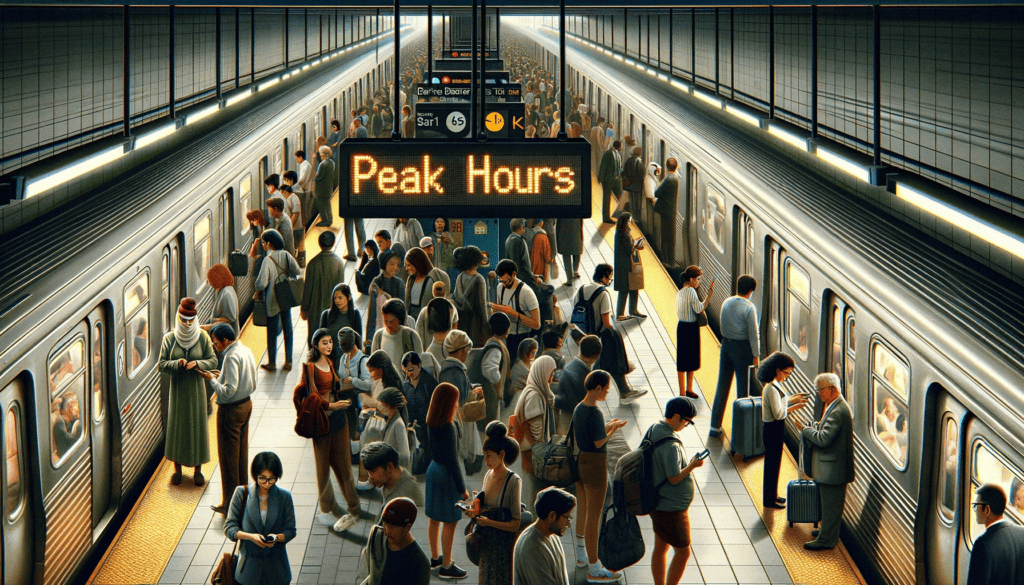
Understanding when public transportation systems are busiest is essential for avoiding overcrowding. By planning your travel around peak hours – typically during morning and evening commutes – you can minimize inconvenience caused by packed train cars or buses.
Avoid being squished like sardines!
Familiarize yourself with fare options and payment methods
To navigate public transportation smoothly, it’s crucial to familiarize yourself with the fare options and payment methods available. This includes learning about ticket types such as single ride, day passes, or monthly subscriptions – choose the one that best suits your needs.
Learn about different ticket types (single ride, day pass, etc.)
Public transportation systems often offer various ticket types tailored to different travel requirements. Take time to understand the specifics of each option so you can choose the most cost-effective and convenient one for your journey.
Understand how to use contactless payment methods if available
Many public transportation systems now provide contactless payment options like smart cards or mobile apps. Please familiarize yourself with these technologies and understand how to use them efficiently. This not only saves time but also allows for a more seamless travel experience without worrying about carrying exact changes.
Safety and Security Tips on Public Transportation
Stay vigilant and aware of your surroundings. Being vigilant and maintaining awareness of your surroundings is crucial when using public transportation.
Please pay attention to the people around you, their behavior, and any unusual movements or actions. By staying alert, you can quickly identify potential risks or dangers and take necessary precautions to ensure your safety.
Keep an eye on personal belongings at all times. It’s essential to watch your personal belongings while using public transportation closely.
Thieves often target crowded areas, including buses, trains, and subway stations. Secure your bags, wallets, and electronic devices to make it easier for everyone to access them with your knowledge.
Avoid placing valuable items in easily accessible pockets or backpacks that can be easily opened or tampered with. Use caution when using electronic devices.
Exercise caution when using electronic devices such as smartphones or tablets while traveling on public transportation. These devices can attract unwanted attention from potential thieves.
Avoid displaying valuable electronics openly and be discreet when using them in crowded areas. Keep a firm grip on your device at all times and avoid getting too absorbed in what you’re doing so that you remain aware of your surroundings.
Follow any safety guidelines provided by the transit authority. Transit authorities often provide safety guidelines specific to each mode of public transportation (bus, train, subway).
It is crucial to familiarize yourself with these guidelines, which may include important information regarding emergency procedures, evacuation routes, and other safety measures. Pay attention to any announcements or signs posted inside vehicles or at stations regarding emergency exits or evacuation procedures to prepare you for an unexpected event.
Pay attention to emergency exits and evacuation procedures. A vital aspect of ensuring your safety while using public transportation is knowing the location of emergency exits and understanding the evacuation procedures outlined by the transit authority.
Take note of exit signs inside buses or trains and familiarize yourself with the emergency door releases, if applicable. In an emergency or evacuation, remain calm and follow the instructions provided by the transit authority or emergency personnel.
Report any suspicious activities or unattended bags immediately. If you notice any suspicious activities or behavior while traveling on public transportation, it is essential to report them promptly.
Notify the transit authority personnel security staff, or contact the appropriate authorities to ensure that necessary actions are taken to address potential threats. Additionally, if you come across unattended bags or packages that seem out of place or suspicious, inform the authorities immediately.
Remember that your alertness and willingness to report any suspicions can contribute to maintaining a safe environment for all passengers. Stay safe and secure as you use public transportation by following these important tips and remaining vigilant throughout your journey.
Subway/Metro Systems:
Understanding the color-coded lines and stations is crucial for effectively navigating subway/metro systems. Memorizing the different colors and their corresponding lines will help you easily identify the correct train.
Look for signs that display the line’s color and name at each station so you know you are on the right track. Additionally, familiarize yourself with the station layout to find your way around more efficiently.
Knowing which direction to take is also essential in subway/metro systems. Pay attention to end destinations displayed on signs or announcements to determine whether you should board a train heading north, south, east, or west.
The Color of Efficiency
Understanding how color-coded lines work in subway/metro systems is like deciphering a well-organized language of efficiency. Each vibrant hue represents a different route, easily guiding passengers across bustling cities.
As you step onto platforms adorned with vivid signage, your eyes quickly scan for your designated color: blue for Line 1, green for Line 2, red for Line 3… Matching the hue to your desired destination sparks a sense of confidence as you navigate this urban labyrinth. Directional arrows guide your way towards waiting trains that promise efficient transport towards bustling metropolises or sleepy suburbs.
Bus Systems:
Finding bus stops easily can be simplified by looking for designated signs or shelters along busy streets. These markers provide vital information such as route numbers and schedules, helping you identify where buses stop conveniently. Remember that some larger bus stops may have multiple bays or platforms serving different routes – check the display boards to ensure you’re waiting at the correct one!
When aboard a bus, know-how when signaling a stop request is imperative. Watch out for upcoming landmarks or street names close to your destination and alert the driver by pressing a button or pulling a cord near your seat.
A Symphony of Stops
Bus stops present a symphony of opportunity amidst the hustle and bustle of the city. Look for signs pillars adorned with vibrant route numbers, standing tall as beacons of convenience. Seek out shelters, providing refuge against the elements while acting as gateways to various destinations.
As you board the bus, remember that you hold the power to orchestrate your journey within your grasp. A simple button press or cord tug sends a harmonious signal to the driver: “Stop, for this is my destination.” Together, we create harmony in motion.
Trains:
Understanding how to navigate these transportation marvels can make your journey seamless when traveling by train. Locate train stations easily by looking for distinctive entrances or large signs indicating their presence nearby.
Once inside the station, familiarize yourself with platform numbers and departure boards displaying train schedules and destinations. Pay attention to any directional signage indicating which platform serves trains heading in specific directions or locations so you can effortlessly find your way.
On Tracks Towards Tomorrow
Trains are more than metal carriages gliding along tracks; they connect communities and propel us towards tomorrow’s possibilities. As you enter train stations teeming with life, let anticipation guide you towards platforms adorned with future-bound trains ready to set forth on their rhythmic journeys. You ensure a seamless passage aboard these modern marvels on wheels by deciphering platform numbers and departure boards filled with destinations unfolding like chapters in an urban novel.