Introduction
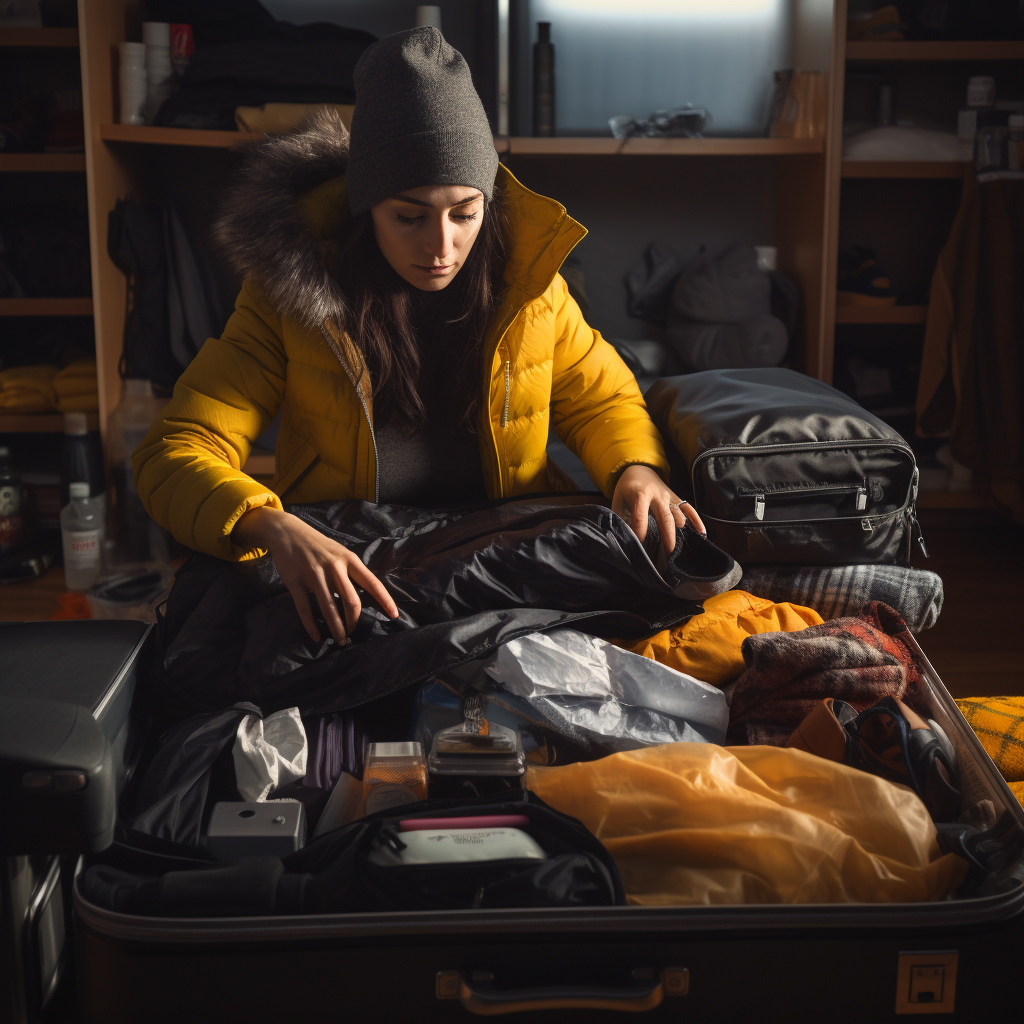
Emergency preparedness is preparing and planning to respond to unexpected events or disasters effectively.
Being prepared for emergencies is crucial because it allows individuals and communities to mitigate the potential risks and minimize the impact of such events.
Awareness and Preparedness: Safeguarding Lives

By understanding emergencies and having a plan, individuals can safeguard lives, reduce injuries, and promote a quicker recovery.
Emergency preparedness involves being proactive rather than reactive, significantly increasing survival chances during unforeseen events.
It ensures people have the necessary knowledge, skills, and resources to respond appropriately to emergencies or crises.
Understanding Emergency Situations
Different types of emergencies
Natural disasters, accidents, and pandemics are different types of emergencies. Common natural disasters include hurricanes, earthquakes, and wildfires.
Unforeseen accidents can happen at any time and may result in severe consequences. Pandemics pose unique challenges due to their rapid spread and impact on public health.
Overview of common natural disasters
Common natural disasters such as hurricanes, earthquakes, and wildfires occur worldwide. Hurricanes are powerful tropical cyclones with strong winds and heavy rainfall.
Earthquakes are sudden shaking or trembling of the ground caused by tectonic plate movements. Wildfires are uncontrolled fires that rapidly spread across vegetation.
Unforeseen accidents and their potential consequences
Accidents can occur unexpectedly and have significant consequences. Examples include car accidents resulting in injuries or fatalities, industrial accidents causing explosions or chemical spills, and home accidents like fires or falls. The potential consequences of such accidents range from property damage to loss of life.
The impact and challenges posed by pandemics
Pandemics profoundly impact society as they affect public health on a global scale. They can disrupt economies, overwhelm healthcare systems, cause social unrest, and lead to loss of life. Challenges posed by pandemics include controlling the spread of the disease through effective measures such as social distancing and mass vaccinations.
Creating an Emergency Plan

Assessing potential risks in your area
Research historical data on local emergencies to identify specific risks based on geographical location.
Developing a family emergency plan
Establish communication channels within the family unit using mobile phones and designated meeting points. Explore alternative communication methods such as ham radios. Assign roles and responsibilities to each family member.
Designate a leader to coordinate actions during emergencies. Allocate tasks, such as gathering emergency supplies or caring for pets.
Assessing Potential Risks in Your Area
Researching historical data on local emergencies
Research historical data on local emergencies to gain insights into past occurrences. Analyze the types of emergencies that have affected your area, such as natural disasters or accidents. Look for patterns or trends to help you understand the likelihood of specific risks.
Identifying specific risks based on geographical location
Based on the research, identify the specific risks relevant to your location. Consider factors like proximity to fault lines, flood-prone areas, or regions prone to hurricanes or wildfires. Determine which potential risks are most likely to affect you and your family.
Developing a Family Emergency Plan
Establishing communication channels within the family unit
Utilize mobile phones as primary communication tools during emergencies. Designate meeting points where everyone should gather if evacuation is necessary or connectivity is lost. Consider exploring alternative communication methods like ham radios, which can be invaluable when traditional means fail due to network congestion or infrastructure damage.
Assigning roles and responsibilities to each family member
Designate a leader who will coordinate actions during emergencies and make critical decisions. Assign specific tasks to each family member based on their skills and abilities.
These tasks may include gathering emergency supplies, evacuating elderly family members or pets, or administering first aid if necessary. By creating a comprehensive emergency plan that considers potential risks and involves the entire family, you will be better prepared to face unexpected events and ensure the safety and well-being of your loved ones.
Building an Emergency Kit
Essential items for survival and comfort during emergencies
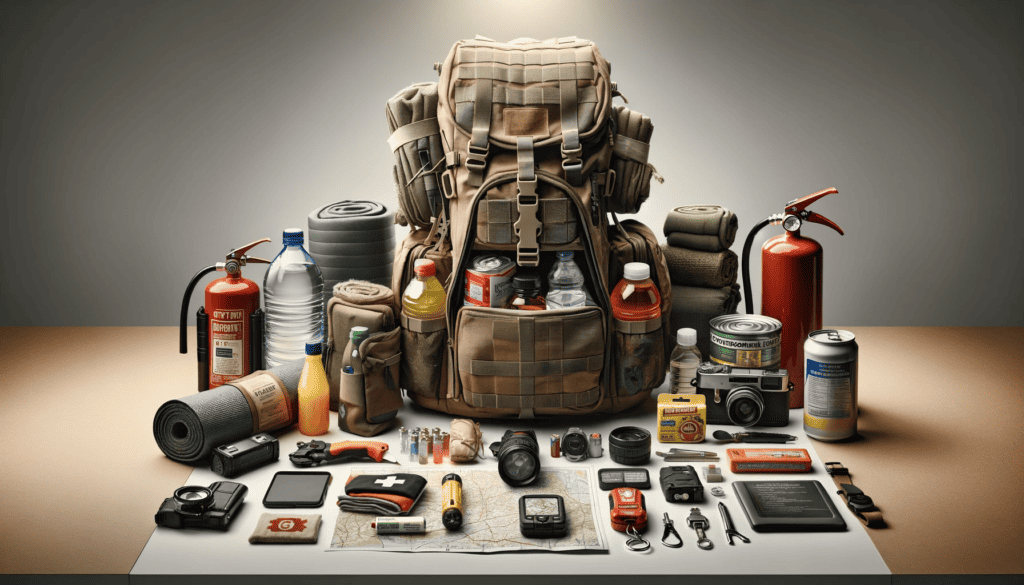
Include essential items in your emergency kit to ensure survival and comfort.
Water: Importance of storing enough water for each individual
Store enough water for each individual to meet hydration needs during emergencies.
Recommended water storage methods (bottled water, water filters)
Use bottled water or invest in water filters as recommended methods for storing and purifying water.
Calculating the required amount of water per person per day
Calculate the required water per person daily based on age, climate, and physical activity levels.
Food: Selecting non-perishable food items with long shelf life
Select non-perishable food items with a long shelf life to ensure emergency availability.
Canned goods, energy bars, and dried fruits are suitable options
Choose canned goods, energy bars, and dried fruits as suitable food options due to their extended shelf life and nutritional value.
Tips for rotating food supplies to maintain freshness
Rotate your emergency food supplies regularly by consuming older items first and replacing them with fresh ones to maintain freshness and quality.
Emergency supplies:
Prepare emergency supplies such as a first aid kit containing necessary medications and basic medical supplies.
Conclusion:
In times of uncertainty, being prepared can bring peace of mind. By building an emergency kit that includes essential items like sufficient drinking water, non-perishable foods with long shelf life, and other emergency supplies, including a well-stocked first aid kit, you are taking proactive steps towards safeguarding yourself and your loved ones. Remember to periodically review your kit’s contents to ensure everything is up-to-date.
Your commitment to emergency preparedness will help you confidently navigate unforeseen circumstances, knowing you are well-prepared for whatever comes your way. Stay safe and be prepared!