Introduction
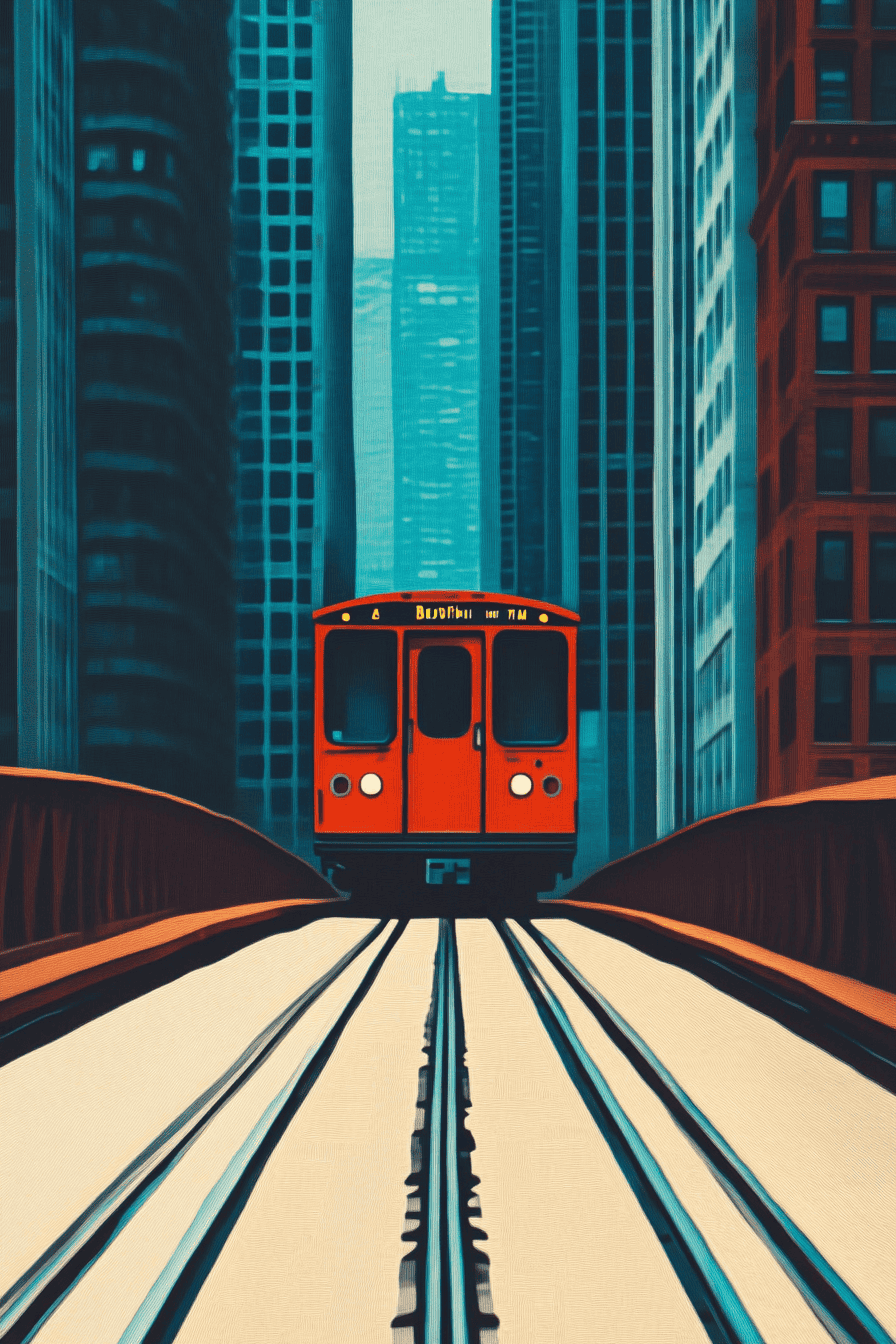
Train travel, with its rich history and timeless charm, has long captivated the imagination of wanderers and adventurers. From the early steam-powered locomotives of the 19th century to the sleek high-speed trains of today, this mode of transportation has played a pivotal role in connecting people and places across vast distances. Embarking on a train journey is not merely a means of getting from point A to point B; it is an experience that envelopes passengers in a world filled with nostalgia, comfort, and breathtaking scenery.
A Brief History of Train Travel
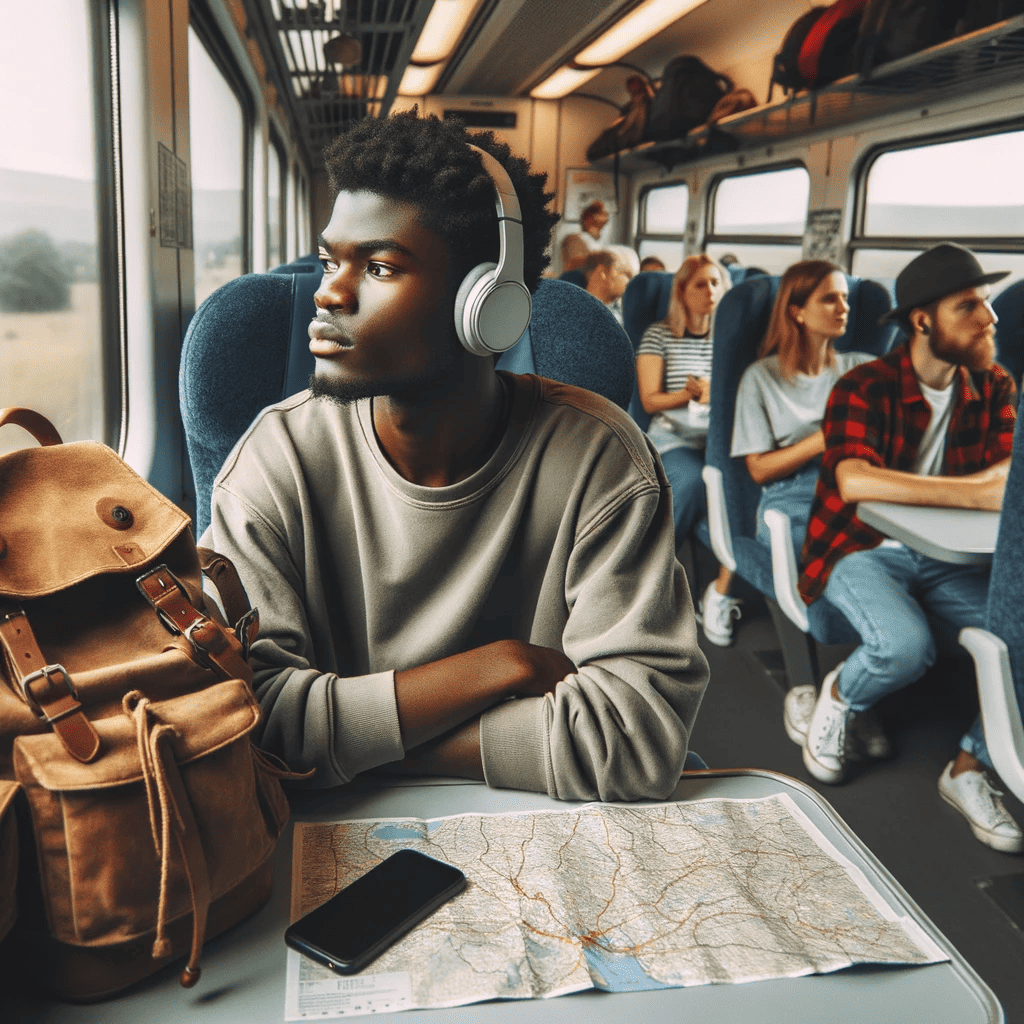
The roots of train travel can be traced back to ancient times when civilizations used rudimentary systems like horse-drawn carts on tracks to transport goods or people. However, it was during the Industrial Revolution that trains truly came into their own.
The invention of steam engines by innovators such as George Stephenson revolutionized transportation in the early 19th century. One milestone moment in train travel history was the opening of the Liverpool and Manchester Railway in 1830—the world’s first public intercity railway line.
This breakthrough marked the beginning of a new era, enabling faster and more efficient transportation for both passengers and freight. Over time, railway networks expanded across continents—bridging gaps between cities, connecting rural areas, and fostering economic growth.
Growing Popularity of Train Travel in Recent Years
In recent years, there has been a remarkable resurgence in train travel’s popularity among globetrotters seeking unique experiences. As society becomes more environmentally conscious and individuals yearn for slower-paced journeys immersed in natural beauty, trains have emerged as an appealing choice for both local explorations and intercontinental adventures.
The appeal lies not only in their historical allure but also in practical advantages over other modes of transportation. Trains offer a comfortable and relaxed travel experience with spacious seating arrangements, making long journeys more enjoyable.
Moreover, the ability to move around freely within the train allows passengers to stretch their legs, socialize, or simply admire the ever-changing landscapes passing by. It is this combination of convenience, charm, and environmental friendliness that has reignited the love for train travel in our modern world.
Comfort and Relaxation
A Journey that Pampers Your Senses
When it comes to train travel, one of the most appealing aspects is the comfort and relaxation it offers. Unlike cramped airplanes or congested highways, trains provide spacious seating arrangements that allow passengers to unwind and enjoy their journey.
Train seats are designed with passenger comfort in mind, often featuring ample legroom, adjustable backrests, and armrests. Whether you choose a regular seat or opt for a more luxurious class like first class or business class, the emphasis on comfort remains consistent throughout.
Another advantage of train travel is the freedom to move around during the journey. Unlike other modes of transportation where you’re confined to your seat for extended periods, trains offer open spaces where you can stretch your legs, walk around, and even socialize with fellow travelers.
Many modern trains have designated areas for passengers to wander about comfortably. This flexibility allows passengers to alleviate any restlessness that may arise during long trips while providing an opportunity to explore different parts of the train.
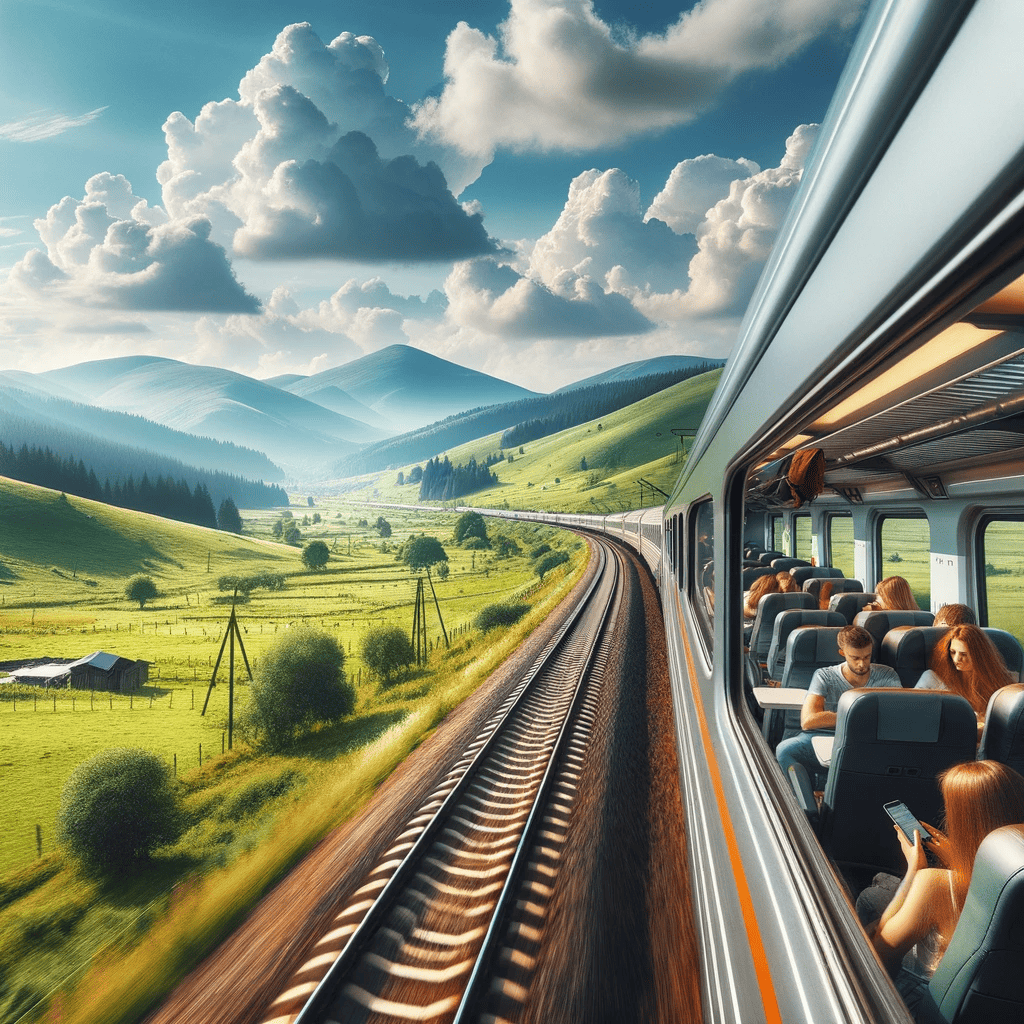
Moreover, trains boast large windows that provide breathtaking views along the way. Whether traversing through picturesque countryside landscapes or gliding past stunning coastal vistas, train travel offers a unique visual experience impossible to replicate in other modes of transportation.
Passengers can savor panoramic views from their seats or take advantage of observation cars specifically designed for enjoying scenic beauty. These windows into the world outside not only enhance relaxation but also add an element of wonderment and connection with nature.
Environmental Friendliness
A Greener Mode of Transportation
In our increasingly eco-conscious society, train travel stands out as an environmentally friendly option compared to other modes of transportation. Trains produce significantly lower carbon emissions per passenger mile compared to cars or airplanes, making them a more sustainable choice for those concerned about their carbon footprint.
The efficient electric motors used in many trains contribute to reduced greenhouse gas emissions, resulting in cleaner air and a healthier planet. Furthermore, train travel helps alleviate traffic congestion on roadways.
By opting for trains instead of cars, passengers contribute to reducing the number of vehicles on the road, which in turn decreases traffic congestion and promotes smoother transportation systems. This not only leads to time savings but also translates into fuel savings for all road users, reducing overall fuel consumption and pollution.
Another aspect that adds to the environmental friendliness of train travel is the reduction in natural resource consumption. Unlike cars or airplanes that require substantial amounts of fuel per traveler, trains are more energy-efficient, transporting large numbers of passengers with relatively less fuel.
Additionally, by choosing train travel over driving or flying, travelers can avoid additional expenses like parking fees or tolls associated with private vehicles. The benefits of train travel extend beyond mere convenience.
The emphasis on comfort and relaxation coupled with scenic views from large windows create an immersive journey unlike any other mode of transportation can offer. Moreover, by being an environmentally friendly choice that reduces carbon emissions and eases traffic congestion while remaining cost-effective for longer distances compared to other alternatives makes train travel an appealing option for both individual adventurers and environmentally conscious travelers alike.
Choosing the Right Train and Route
Types of trains available
When it comes to train travel, there are various types of trains available to suit different needs and preferences. One of the most popular options for quick travel between major cities is the high-speed train.
Countries like Japan, France, and Germany have truly mastered this form of transportation. For instance, in Japan, they have the renowned Shinkansen, which translates to “bullet train.” The Shinkansen offers an exceptional experience with its sleek design, punctuality, and remarkable speeds that can reach up to 320 kilometers per hour (200 mph).
Similarly, in France, you have the TGV (Train à Grande Vitesse), known for its impressive velocity and efficiency. Additionally, Germany boasts the ICE (InterCityExpress) network that connects major cities with remarkable speed.
These high-speed trains are not just about getting from point A to point B quickly; they also prioritize passenger comfort. With their state-of-the-art designs and ergonomic seating arrangements, these trains offer a smooth ride even at high speeds.
Onboard amenities such as spacious seating with ample legroom ensure a comfortable journey for passengers. Many high-speed trains also provide facilities like Wi-Fi access, power outlets for charging electronic devices, and dining options catering to various culinary preferences.
Regional trains for exploring smaller towns and countryside
While high-speed trains are ideal for intercity travel, regional trains offer a delightful experience when exploring smaller towns and picturesque countryside areas. These slower-paced journeys provide an opportunity to immerse oneself in local charm and soak up the scenic beauty along the way.
Regional trains often have more stops than their high-speed counterparts but allow travelers to enjoy a more authentic and intimate connection with different regions. For example, picture yourself aboard a charming regional train traversing through the serene landscapes of Tuscany in Italy or meandering along the stunning coastlines of Ireland.
These journeys allow you to witness the subtle nuances of local life, catch glimpses of hidden gems inaccessible by other means of transportation, and interact with fellow travelers and friendly locals. Regional trains are comfortable and often equipped with large windows that provide panoramic views, making the journey itself an experience worth savoring.
Researching routes and destinations
When embarking on a train adventure, it is crucial to thoroughly research routes and destinations beforehand to make the most of your journey. The internet has made this task more accessible than ever before. Official railway websites and travel forums offer a wealth of information regarding schedules, stops, connections, and even user reviews.
Official railway websites serve as reliable sources for up-to-date timetables, allowing you to plan your itinerary accurately. They also provide details about different ticket options, including any discounts or promotions that may be available.
Travel forums are treasure troves for avid train travelers seeking firsthand experiences from fellow enthusiasts. By delving into these online communities, you can uncover insider tips, discover lesser-known routes filled with scenic beauty or historical significance.
Whether it’s checking departure times for your next train connection or finding the best route to reach a specific destination efficiently, take advantage of these online resources to ensure a seamless and enjoyable train travel experience. After all, knowledge is power when it comes to exploring new horizons via rail.
Train Travel Essentials

Packing Tips
Travel Light and Smart When embarking on a train journey, it is important to pack efficiently to ensure a hassle-free experience. One of the key recommendations is to opt for carry-on luggage only, preferably lightweight bags with wheels.
This choice not only saves you from the inconvenience of dragging heavy suitcases through crowded platforms but also allows for easy maneuverability within the train compartments. Moreover, it ensures that your belongings are within reach at all times, enhancing security and peace of mind.
Another vital aspect of packing for train travel is considering the fluctuating temperatures onboard. While some trains are well-heated or air-conditioned, others may have varying climate control capabilities depending on the season or region.
To adapt to these changes, it is advisable to dress in layers. This way, you can easily add or remove clothing items according to your comfort level throughout the journey.
Additionally, packing a light sweater or shawl proves handy in case of unexpected chilly drafts. Let’s not forget about snacks!
Although some trains offer onboard dining options that allow passengers to savor delicious meals during their journey, having your own stash of snacks can be both convenient and cost-effective. Whether it’s energy bars, trail mix, fresh fruits, or sandwiches prepared beforehand – having these treats readily available ensures that you won’t go hungry between meals or during late-night journeys when dining services may be limited.
Onboard Comfort
Relaxation at its Finest Train travel offers a unique opportunity for relaxation and unwinding while en route to your destination.
To enhance this experience further – especially during overnight journeys – bringing along neck pillows and blankets can prove invaluable. These cozy accessories provide much-needed support and warmth during long hours spent sitting or sleeping in train compartments.
While enjoying the scenic landscapes passing by outside your window, it is also essential to keep yourself entertained. Books are a wonderful companion during train journeys, providing an escape into different worlds or allowing you to delve deeper into your interests.
Whether it’s a gripping novel, a captivating non-fiction book, or even a collection of short stories – reading not only engages your mind but also helps pass the time in an enjoyable and enriching manner. In addition to reading material, some trains offer onboard entertainment systems with movies or music options.
These can be a great way to unwind and relax during your journey. However, it is always advisable to have a backup plan like books or downloaded content on your electronic devices in case the onboard entertainment is unavailable or limited.
Conclusion
As we conclude our exploration of train travel essentials, it becomes evident that planning a journey by train involves careful consideration of packing strategies and onboard comfort necessities. By opting for carry-on luggage and packing smartly with layered clothing options, travelers can navigate their way through stations effortlessly while adapting comfortably to varying temperatures inside the trains.
Additionally, bringing along snacks ensures that hunger pangs are kept at bay throughout the journey. Investing in neck pillows and blankets as well as carrying engaging reading material or entertainment backups ensures maximum relaxation while traveling.
Train travel epitomizes both convenience and adventure rolled into one experience. So next time you embark on a train journey, embrace these essentials and revel in the joy of exploring new destinations while basking in unparalleled comfort and tranquility along the way!