Introduction
The Art and Necessity of Budgeting: Your Gateway to Wanderlust
Embarking on a journey to explore the world is an exhilarating experience. The allure of new cultures, breathtaking landscapes, and unforgettable adventures awaits those who dare to venture beyond their comfort zones.
However, amidst the excitement and anticipation lies an often-overlooked aspect that can make or break your travel experience – budgeting. Travel budgeting is like a compass that guides you through the vast terrain of expenses and financial decisions associated with your trip.
It involves planning, tracking, and managing your finances in order to maximize enjoyment while staying within your means. By diligently embracing this art, you not only ensure a smooth journey but also open doors to immerse yourself fully in the magic of exploration without worrying about financial constraints.
Importance of Budgeting for Travel: A Financial Map for Adventurers

Budgeting for travel is not just a practical exercise; it lays the foundation for a successful expedition. Without a well-thought-out plan, wanderlust can quickly turn into financial distress and derail even the most fervent globetrotter’s dreams. Thus, understanding why budgeting matters is vital before setting foot on foreign soil.
Foremost, travel budgeting empowers you with control over your finances throughout your entire journey. It allows you to pre-determine how much you are willing to spend on various aspects such as accommodation, transportation, food, activities, and souvenirs.
By establishing clear financial boundaries from the outset, you create a roadmap that helps prioritize expenses according to personal preferences while ensuring no surprises await when flipping through credit card statements upon returning home. Moreover, budgeting fosters peace of mind during travel by relieving financial stressors.
With proper planning and allocation of funds for each expense category in advance – be it flights or cultural excursions – unexpected financial burdens are significantly reduced. This tranquility allows you to fully embrace the present moment, immerse yourself in local culture, and savor every experience that unfolds on your extraordinary journey.
Research and Plan Ahead
Explore the Domain of Destination Costs
Before embarking on a journey, it is imperative to conduct thorough research about your desired destination. By doing so, you will gain insights into the costs associated with various aspects such as accommodation, transportation, and food.
Seek reliable travel websites or consult travel guides to obtain an understanding of the average prices in your chosen location. This way, you can make informed decisions while crafting your budget.
Analyze Exchange Rates and Local Currency
To prepare financially for your adventure, it is essential to familiarize yourself with exchange rates and comprehend how they may affect your expenses. Exchange rates play a significant role in determining the value of foreign currency in relation to your own. Keep track of fluctuations in exchange rates and calculate approximate conversions to ensure you have a realistic understanding of how much local currency you will need for daily expenses.
Seek Discounts and Deals
A prudent traveler knows the value of seeking discounts and deals when planning a trip. Before finalizing any bookings or purchases, scour websites dedicated to travel deals or promotions.
Many airlines, hotels, and tour operators offer special packages or discounts throughout the year that can significantly reduce costs. Additionally, consider signing up for loyalty programs or newsletters from travel companies to stay informed about exclusive offers.
Set a Realistic Budget

Calculate Total Trip Expenses
Setting a realistic budget starts by thoroughly calculating all anticipated expenses for your journey. Make a comprehensive list encompassing all major elements such as flights, accommodation, activities, meals, transportation within the destination, visa fees (if applicable), and any other foreseeable costs specific to your trip’s nature. Be meticulous when estimating these expenses to avoid underestimating potential financial obligations.
Allocate Funds for Different Categories
Once you have a clear understanding of your total trip expenses, allocate funds to different categories accordingly. Determine the percentage of your budget that will be devoted to flights, accommodation, activities, and other essentials.
Prioritize based on your personal preferences and the nature of the destination. It is crucial to consider whether you value comfort in accommodation or if engaging in various activities takes precedence.
Leave Room for Unexpected Expenses
While meticulous planning is commendable, it is equally important to leave room for unexpected expenses that may arise during your journey. Life often surprises us with unforeseen circumstances or irresistible opportunities. To avoid financial strain or disappointment, include a buffer in your budget for any unplanned costs that may emerge along the way.
Track Your Expenses During the Trip
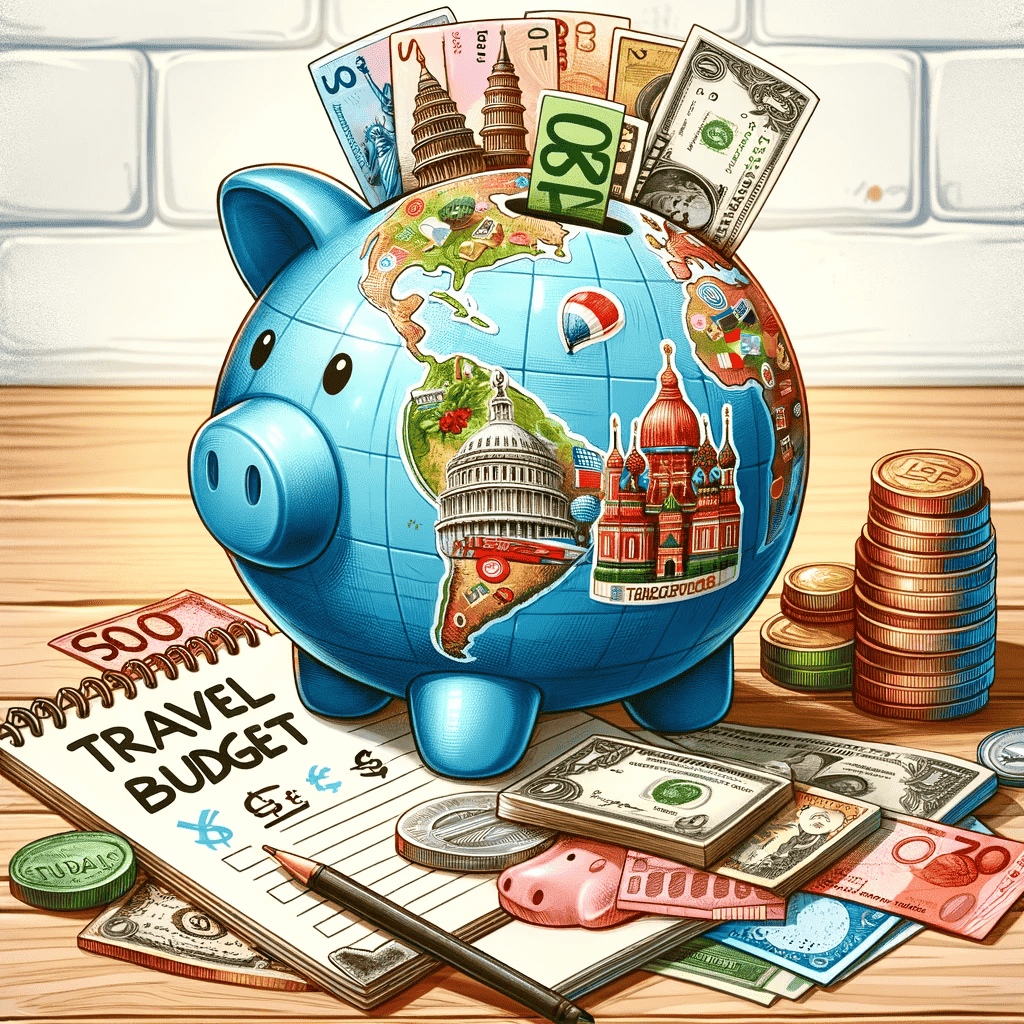
Utilize a Budgeting App or Spreadsheet
To maintain financial discipline during your travels, utilize modern technology by employing budgeting apps or spreadsheets designed specifically for tracking expenses. These tools allow you to input and categorize each expense as it occurs. By having an organized record readily available at all times, you can monitor your spending habits and ensure adherence to your predetermined budget.
Keep Receipts and Invoices for Reference
Retaining receipts and invoices is not merely a mundane administrative task; it serves as an invaluable resource when managing travel expenses effectively. Collecting these documents allows you to cross-reference and reconcile them with entries in your budgeting app or spreadsheet accurately. Additionally, in some cases, you may need evidence of purchases or services rendered as proof during insurance claims or reimbursement queries.
Adjust Your Budget Based on Actual Spending
Real-world experiences might deviate from initial expectations; therefore, it is essential to adapt your budget based on actual spending patterns throughout the trip. Regularly assess whether certain expense categories differ significantly from estimations made during pre-trip planning. By making necessary adjustments, you can maintain financial equilibrium and ensure optimal utilization of available resources.
Accommodation Budgeting Tips
Choose the right type of accommodation
Finding suitable accommodation plays a crucial role in effective travel budgeting. When selecting the perfect place to stay, it’s important to weigh various factors such as cost, comfort, and convenience. Comparing prices of different types of accommodations like hotels, hostels, and vacation rentals can help you make an informed decision.
Hotels often offer amenities like room service or a concierge desk, but they tend to be more expensive compared to alternatives like hostels or vacation rentals. Hostels are an excellent choice for budget-conscious travelers as they provide affordable communal spaces and opportunities to meet fellow adventurers from around the world.
On the other hand, vacation rentals can be ideal for families or those seeking a homely ambiance with kitchen facilities and extra space. Consideration should also be given to the location and amenities offered by potential accommodations.
Opting for centrally located accommodations may save money on transportation costs since many popular attractions will be within walking distance. Additionally, staying in areas with access to public transportation can provide convenience while exploring the city without breaking your budget.
Utilize alternative accommodation options
If you’re looking for unique experiences while keeping costs low, consider alternative accommodation options beyond traditional hotels. House-sitting or pet-sitting opportunities allow travelers to stay in someone’s home free of charge in exchange for taking care of their house or pets while they’re away. Websites like TrustedHousesitters connect homeowners with reliable house-sitters around the world.
Another appealing option is Couchsurfing, which connects travelers with locals who generously offer their couches or spare rooms at no cost. This not only saves money but also provides an opportunity to connect with local culture on a deeper level through shared experiences and conversations.
Home exchanges are gaining popularity too; allowing you to swap homes with someone from another location during your travels. Platforms like HomeExchange facilitate safe and convenient exchanges, providing a unique and cost-effective way to experience different destinations.
Look for special deals and discounts
Traveling during the off-season can significantly reduce accommodation costs, as many hotels offer discounted rates to attract guests during quieter periods. By availing yourself of these off-season rates, you can often secure high-quality accommodation at a fraction of the usual price.
Additionally, keep an eye out for loyalty programs or membership discounts offered by hotel chains or vacation rental platforms. These programs often provide exclusive deals, rewards points, or member-only promotions that can help you save money on your stay.
By carefully considering these accommodation budgeting tips, travelers can make informed decisions on their lodging options while keeping expenses in check. Remember that finding accommodations that suit both your budget and preferences is possible with proper planning and research!
Transportation Budgeting Tips
Compare different modes of transportation
When planning your travel budget, it is essential to compare the various modes of transportation available. Consider options such as flights, trains, buses, and rental cars to find the most cost-effective and convenient choice for your journey. Each mode has its own advantages and drawbacks, so it’s crucial to evaluate factors like cost, convenience, and time.
Flights are often the fastest way to reach your destination if it involves long distances or international travel. However, they can also be more expensive compared to other options.
Trains offer a balance between cost and comfort while providing scenic routes for some journeys. Buses tend to be the most affordable option for shorter distances, although they may take longer due to stops along the way.
Rental cars provide flexibility during your trip but could add costs like fuel and parking fees. By carefully analyzing these factors based on your specific needs and preferences, you can make an informed decision that aligns with your budget.
Book in advance to get better deals
To optimize your transportation expenses while traveling on a budget, booking in advance can make a significant difference. Keeping an eye out for sales or promotional offers can help you secure lower fares or discounted rates on tickets or rentals.
Airlines often have flash sales or special promotions where you can find cheaper flights than usual. Similarly, train companies may offer discounted tickets during less busy seasons.
Furthermore, being flexible with your travel dates can enhance the chances of finding better deals. Avoiding peak travel periods when prices tend to be higher allows you more options within your budget range.
Adjusting your departure or return dates by a few days might lead to substantial savings. By taking advantage of early booking opportunities and remaining open-minded regarding dates and times of travel when possible, you increase the probability of finding affordable transportation options that fit well within your travel budget.
Conclusion
Careful consideration of transportation choices and booking strategies is vital in effective travel budgeting. By comparing different modes of transportation and analyzing factors such as cost, convenience, and time, you can make informed decisions that align with your budgetary needs.
Additionally, booking in advance and keeping a lookout for sales or promotional offers allows you to secure better deals on flights, trains, buses, or rental cars. Remember that while budgeting is essential for a successful trip, it should not dampen the spirit of adventure.
With proper planning and research, you can find affordable transportation options that allow you to explore new destinations without breaking the bank. So embark on your travel journey with confidence, knowing that careful budgeting will enable you to make the most of every experience while keeping your finances intact.