Introduction
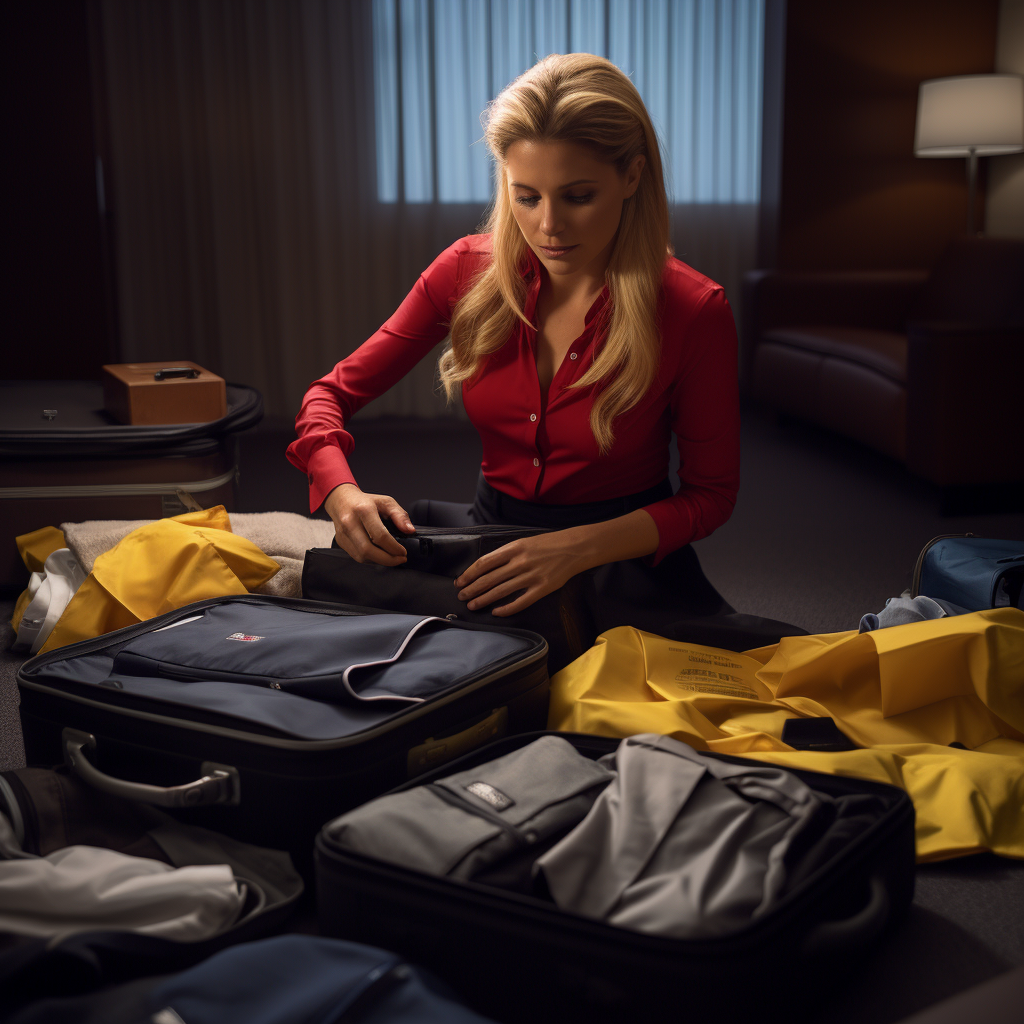
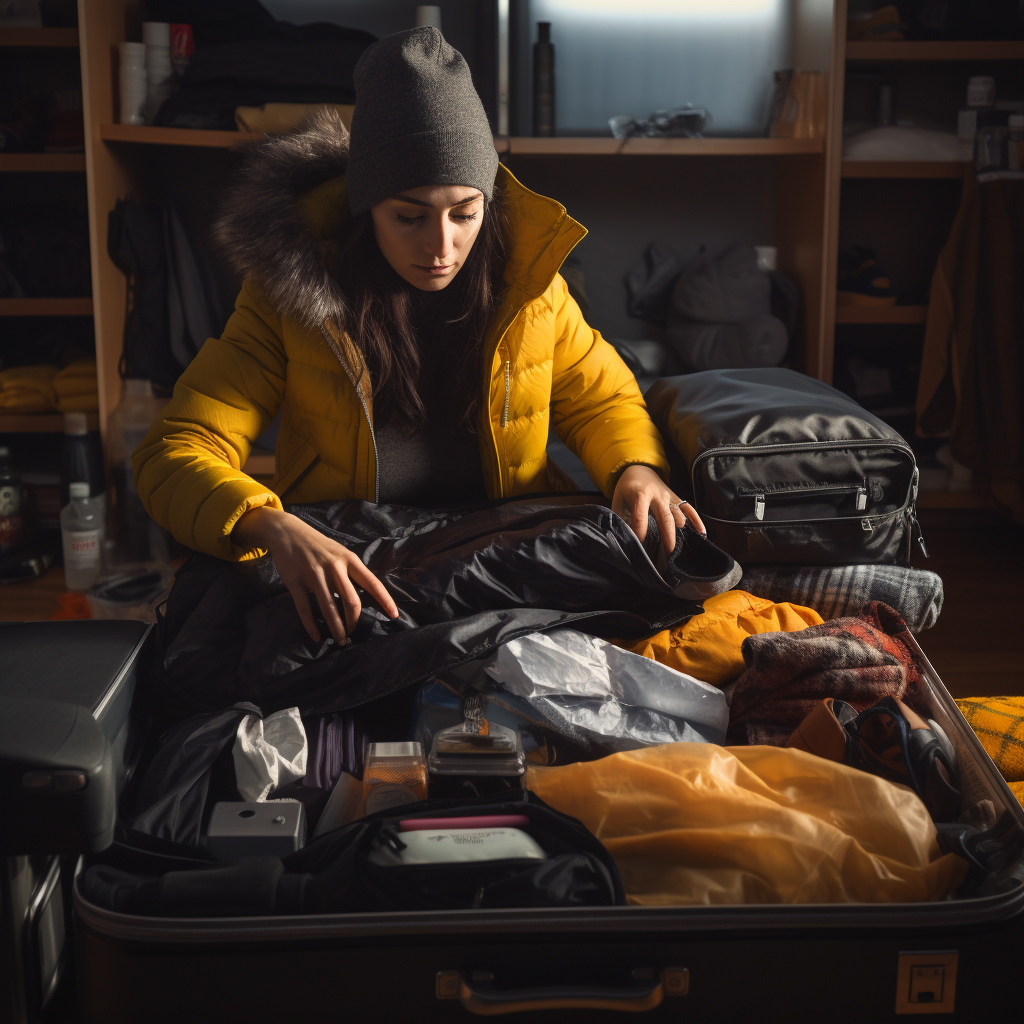
Traveling can be an exhilarating experience, filled with new adventures and exciting destinations. However, amidst the excitement, one aspect of travel often leaves even the most seasoned globetrotters feeling overwhelmed: packing.
Efficient travel packing is a skill that can significantly enhance your travel experience by reducing stress, saving time, and ensuring you have everything you need within reach. By mastering the art of packing strategically, you can optimize space in your luggage while still being prepared for any situation.
The Importance of Efficient Travel Packing
Efficient travel packing is crucial for several reasons. Firstly, it eliminates the need to lug around heavy and unnecessarily bulky luggage. Traveling light not only saves you from physical strain but also allows for greater mobility and flexibility during your trip.
Whether navigating crowded airports or maneuvering through narrow cobblestone streets, having a well-organized bag makes all the difference. In addition to physical benefits, efficient packing also grants peace of mind and a sense of control over your belongings.
Imagine arriving at your destination only to realize you left that essential item behind or spent too much time rummaging through disorganized luggage in search of something specific. By implementing effective packing techniques, you can avoid such scenarios and focus on enjoying your journey without unnecessary distractions or stress.
Overview of Basic Travel Packing Techniques

Basic travel packing techniques provide a foundation for efficient organizational strategies that can be applied to various aspects of packing. These techniques encompass selecting appropriate luggage, creating detailed packing lists, and maximizing space with folding and rolling methods. The first step towards successful travel packing is choosing the right luggage that suits both your needs and preferences.
Consider factors such as trip duration, destination climate, transportation modes involved (flights or road trips), as well as personal comfort while carrying or rolling the luggage. Suitcases, backpacks, and duffel bags are the most common options, each offering distinct advantages for different travel styles and requirements.
Creating a comprehensive packing list is another fundamental technique that ensures you don’t overlook any essential items. Start by categorizing your belongings into different sections such as clothing, toiletries, electronics, and miscellaneous items.
This way, you can methodically tick off each category as you pack and avoid any last-minute panic. A final aspect of basic travel packing techniques involves maximizing space in your luggage by utilizing efficient folding and rolling methods.
Mastering the art of folding clothes not only minimizes wrinkles but also saves space. Additionally, rolling clothes instead of simply folding them allows for even more compression and creates additional room for other items.
Choosing the Right Luggage

Different types of luggage (suitcases, backpacks, duffel bags)
When embarking on a journey, selecting the appropriate luggage is crucial for ensuring a seamless travel experience. Suitcases, backpacks, and duffel bags are commonly used options that cater to different travel styles and needs. Suitcases offer ample space and organization with various compartments and pockets.
They come in different sizes ranging from small carry-ons to large check-in bags that can accommodate extensive packing. Backpacks, on the other hand, provide flexibility and mobility for travelers who prefer to move effortlessly through crowded areas or uneven terrain.
With their ergonomic design and adjustable straps, backpacks distribute weight evenly across the shoulders and back. Duffel bags offer a balance between size and portability, making them ideal for shorter trips or adventurous travelers who require durability.
Considerations for selecting the appropriate size and style
When choosing the right luggage size, it is essential to consider factors such as trip duration, destination climate, personal preferences regarding packing style (minimalist or maximalist), and individual physical abilities. For shorter trips or those aiming to travel light, smaller suitcases or backpacks may suffice. Longer trips might necessitate larger suitcases or multiple pieces of luggage to accommodate all essentials comfortably.
Additionally, one should consider the dimensions permitted by airlines as carry-on baggage varies in size restrictions across different carriers. The style of luggage also plays a significant role not only in functionality but also in aesthetic appeal.
Traditional suitcases often come with wheels for convenient transportation throughout airports or hotels while modern designs incorporate spinner wheels for effortless maneuvering in any direction. If opting for a backpack-style bag, look for padded shoulder straps and back support systems that prioritize comfort during long journeys.
Making a Packing List

Benefits of creating a comprehensive list
Before embarking on any trip, it is wise to create a comprehensive packing list to ensure nothing essential is forgotten. A packing list serves as a proactive tool that helps streamline the packing process, minimizing the risk of leaving behind vital items.
By making a list, one can organize their thoughts and ensure that they have accounted for all necessary categories such as clothing, toiletries, electronics, and travel documents. Moreover, a well-structured packing list prevents overpacking or underpacking by establishing clear boundaries and priorities.
Categorizing items (clothing, toiletries, electronics, etc.)
Categorizing items within the packing list allows for efficient planning and organized packing. Start by dividing the list into broad categories such as clothing, toiletries, electronics/gadgets, travel documents/essentials.
Under each category, further break down items into more specific subcategories. For example:
– Clothing: Tops (t-shirts/blouses), bottoms (pants/skirts), outerwear (jackets/coats), underwear/socks – Toiletries: Skincare products (cleanser/moisturizer), hygiene items (toothbrush/toothpaste), cosmetics
– Electronics/Gadgets: Phone charger/cables, camera/charger/memory cards By categorizing items in this manner on the packing list itself or in a dedicated note-taking app on your phone or tablet device, it becomes easier to track everything you need and avoid unnecessary last-minute panics or frustrations during your journey.
A. Clothing Organization Strategies
The Art of Organizing Clothes for Efficient Packing
When it comes to organizing your clothing for travel, utilizing packing cubes or compression bags can be a game-changer. These handy storage solutions allow you to compartmentalize your items, keeping them neat and tidy while maximizing space. Packing cubes come in various sizes and are ideal for separating different types of clothing, such as shirts, pants, and undergarments.
Not only do they prevent your clothes from tangling or shifting during transit, but they also make it easier to locate specific items without having to dig through your entire suitcase. Additionally, layering clothes strategically is a technique that can save you precious space in your luggage.
Start by laying out the bulkiest garments as the base layer, such as jeans or sweaters. Then, place lighter items like t-shirts or dresses on top.
By alternating between heavier and lighter materials, you create a balanced stack that is less likely to wrinkle or take up unnecessary room. Remember to roll softer fabrics instead of folding them tightly for even more space efficiency.
B. Smart Packing Tips for Toiletries
Making Your Toiletries Travel-Friendly
To ensure hassle-free travels with your toiletries, consider using travel-sized containers or reusable bottles for liquids. These compact containers not only comply with airport regulations but also help minimize bulkiness in your luggage.
Transfer essential liquids like shampoo, conditioner, and lotions into these smaller containers instead of lugging around full-size bottles. Furthermore, organizing toiletries in waterproof pouches or toiletry bags is another effective strategy to keep everything in order and protect against potential leaks or spills during transit.
Separate items into categories such as skincare products, dental hygiene essentials, and makeup using different pouches within the larger bag. This way, you can easily find what you need without rummaging through a messy jumble of products.
C. Electronics and Gadgets Management
Efficiently Handling Your Tech on the Go
Managing electronics and gadgets can be a challenge while traveling, but with a few smart tips, you can keep everything organized. Start by using cable organizers or ziplock bags to prevent your charging cables from tangling into an unsolvable knot.
Roll up each cable neatly and secure it with a twist tie or rubber band before placing it in an organizer or ziplock bag. This way, you will have easy access to each cable when needed, saving time and frustration.
Additionally, carrying a portable power bank is essential for charging devices on-the-go. Invest in a reliable power bank that suits your needs and ensure it’s fully charged before embarking on your journey.
Not only does this eliminate the worry of finding charging ports in unfamiliar places, but it also provides peace of mind knowing that your devices won’t run out of juice during important moments. Remember to pack the necessary charging cables for all your devices alongside the power bank.
D. Efficient Packing for Shoes and Accessories

Making Every Inch Count for Your Footwear and Accessories
Packing shoes efficiently requires some creativity to save space in your luggage. One handy trick is to stuff socks or small items inside shoes to optimize every inch. This not only helps maintain the shape of the shoes but also ensures no wasted space goes unused within them.
When it comes to accessories such as jewelry or small items like belts or ties, utilizing jewelry organizers or small pouches is key for keeping them well-organized and tangle-free during travel. Use separate compartments within these organizers to store different types of accessories, making them easily accessible when needed without getting entangled with one another.
IV: Rarely Known Small Details about Travel Packing Techniques
Wrinkle Prevention Techniques for Clothing
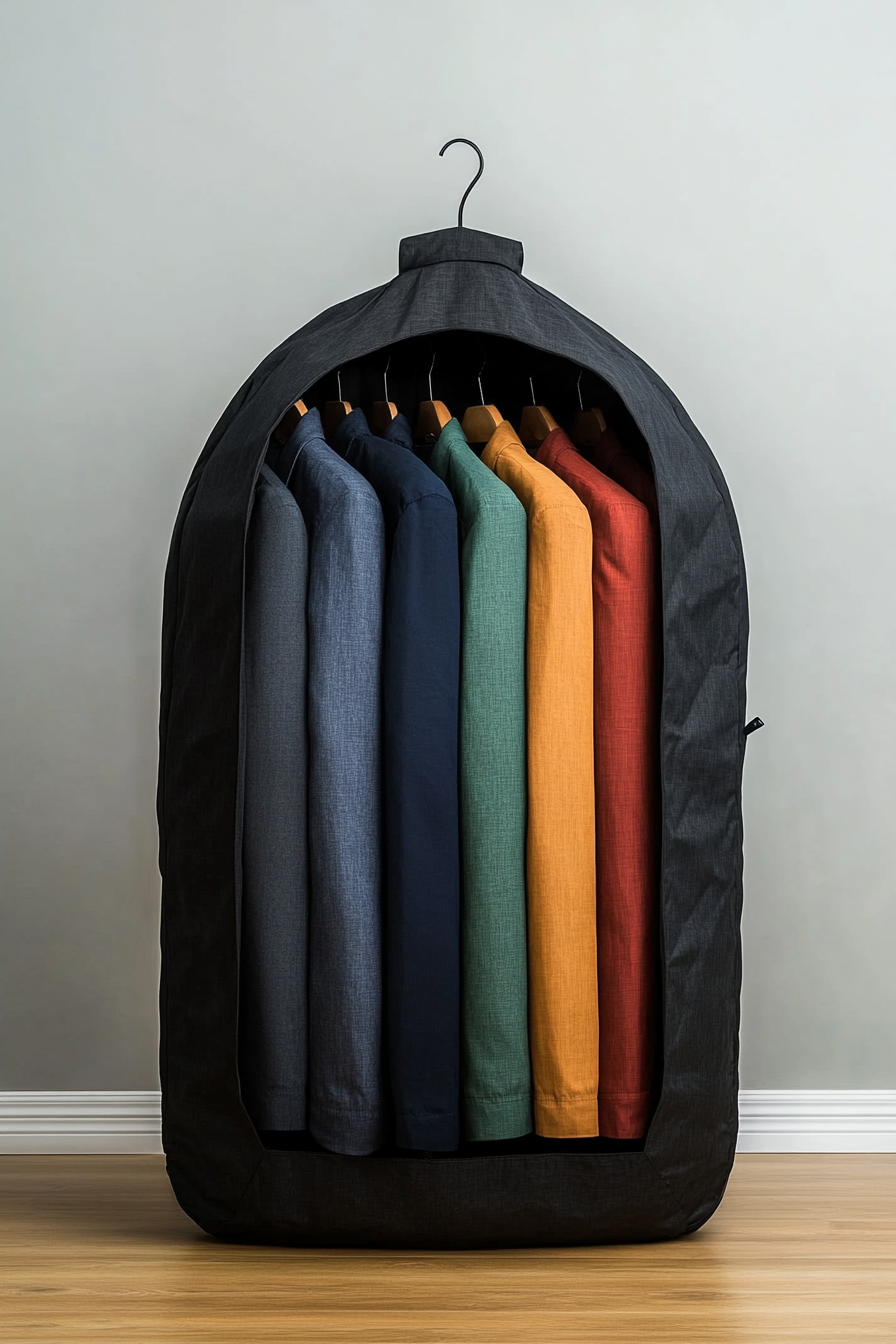
One often overlooked aspect of travel packing is wrinkle prevention for clothing. To keep your garments as smooth and presentable as possible, consider folding them with tissue paper or using garment bags. The tissue paper acts as a protective barrier between clothes, minimizing friction and reducing the chances of creasing.
Folding clothes in tissue paper also helps to preserve their shape while in transit. Garment bags are another excellent option to prevent wrinkles, especially for delicate or formal clothing items.
Hang your clothes inside the bag and zip it up to create a protective cocoon around them. Garment bags offer an added advantage by also protecting garments from dust, dirt, and potential spills.
Conclusion
As you embark on your next adventure, mastering basic travel packing techniques can make all the difference in ensuring a stress-free journey. By utilizing clothing organization strategies such as packing cubes and layering techniques, you can optimize space while keeping your wardrobe organized. Smart tips for toiletries like using travel-sized containers and waterproof pouches will save you from messy spills or bulky bottles.
Efficiently managing electronics with cable organizers and carrying essential gadgets like a portable power bank ensures uninterrupted connectivity throughout your travels. Remember to pack shoes wisely by stuffing socks inside them and utilize jewelry organizers or small pouches for accessories.
With these rarely known details about travel packing techniques at your disposal, you can confidently embark on new adventures knowing that you have mastered the art of efficient packing. Happy travels await!