Introduction
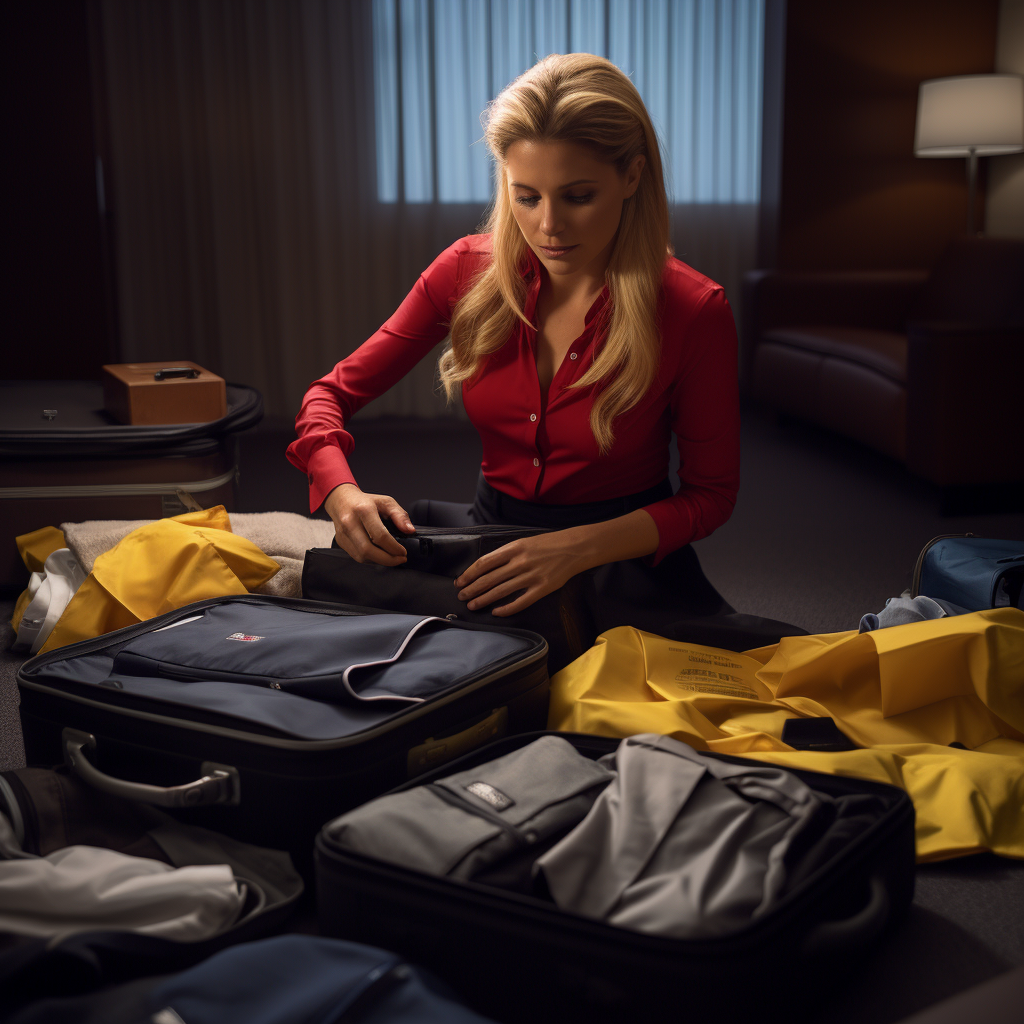
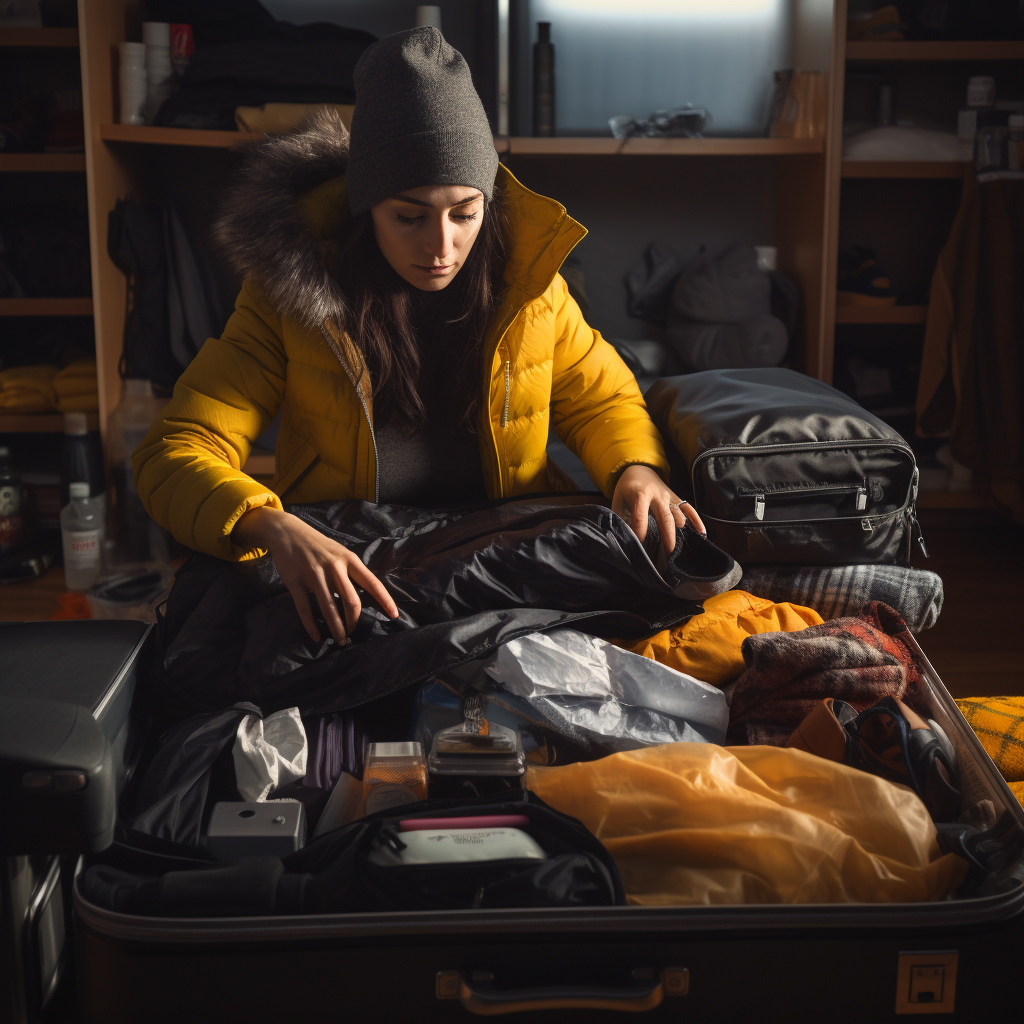
Adventure and outdoor packing is an essential aspect of preparing for any excursion into the great outdoors. It encompasses the art of efficiently organizing and packing all necessary gear, equipment, and supplies to ensure a smooth and enjoyable experience in nature’s embrace. Whether embarking on a thrilling hike through rugged mountain trails, setting up camp in remote wilderness areas, or venturing into the unknown on an exhilarating kayaking expedition, having a well-thought-out packing strategy is crucial.
Definition of Adventure and Outdoor Packing
Adventure packing is the process of selecting and organizing various items required for engaging in outdoor activities such as hiking, camping, mountaineering, or water-based adventures like kayaking or rafting. It involves meticulous consideration of different factors such as weight, size, durability, functionality, and ease of access to ensure that every item serves its purpose effectively without burdening the adventurer.
Outdoor packing refers to the act of thoughtfully arranging gear that is specifically tailored to meet the demands imposed by nature’s elements during various outdoor activities. It requires careful planning and consideration of potential challenges like unpredictable weather conditions, rough terrains, limited resources availability (such as water), wildlife encounters (e.g., bears), and emergency situations that might arise while exploring remote areas.
The Importance of Efficient Packing for Outdoor Activities

The significance of efficient packing cannot be overstated when it comes to embarking on adventurous outdoor pursuits. Efficient packing ensures that all essential items are readily accessible while minimizing unnecessary weight and bulk.
By adopting efficient techniques and strategies for packing one’s gear appropriately before setting off on an adventure-packed journey:
- Maximized Mobility: An efficiently packed backpack or gear bag allows adventurers to move comfortably through diverse terrains without being encumbered by unnecessary weight or poorly organized supplies. This ensures increased agility, reduced fatigue, and enhanced overall performance.
- Optimized Safety: by packing essential items such as first aid kits, emergency communication devices, and navigation tools in easily accessible compartments, adventurers can respond promptly to unexpected situations while minimizing risks and ensuring their safety.
- Enhanced Comfort: Efficient packing techniques enable adventurers to optimize available space for necessary clothing, sleeping gear, and personal items. This ensures a comfortable experience in the outdoors by providing adequate protection against varying weather conditions and facilitating a good night’s sleep after an exhilarating day of adventure.
Overall, it is crucial for outdoor enthusiasts to recognize the importance of efficient packing in order to maximize their enjoyment while minimizing potential risks and inconveniences that poorly planned packing may bring. In the following sections of this article, we will delve deeper into high-level overviews of adventure packing as well as niche subtopics specific to certain outdoor activities accompanied by rarely known small details that can greatly enhance an adventurer’s experience. Stay tuned for the next sections where we will explore the selection of backpacks or gear bags along with essential items to pack for any adventure trip!
Choosing the Right Backpack or Gear Bag
Finding the Perfect Fit for Your Adventures
When embarking on an outdoor adventure, one of the most crucial decisions you’ll make is selecting a suitable backpack or gear bag. The right choice can greatly enhance your experience by providing comfort, convenience, and functionality throughout your journey.
Size, weight, and durability are three key considerations to keep in mind when making this decision. Firstly, size matters.
Selecting a backpack that matches the length of your trip and accommodates all necessary items is essential. For shorter excursions or day hikes, a smaller pack with a capacity ranging from 20 to 35 liters would suffice.
However, if you’re planning a multi-day trek or extended expedition, opt for larger packs with capacities of 50 liters or more to comfortably carry all your gear without compromising on essentials. Weight is another critical factor to consider.
Lightweight materials such as nylon and polyester are preferred options as they reduce strain on your back and shoulders during long treks. Look for backpacks that utilize lightweight aluminum frames or internal frame systems to distribute weight evenly and provide stability.
Durability is paramount when it comes to outdoor packing. Adventure trips often involve rough terrain and unpredictable weather conditions; therefore, investing in a bag made from robust materials like ripstop nylon or Cordura ensures longevity and resistance against tears or abrasions.
In addition to size, weight, and durability aspects mentioned above, it’s worth considering additional features that can make your adventure packing experience even better. Compartments play a vital role in organizing your belongings efficiently while ensuring easy accessibility.
Look for bags equipped with multiple compartments of various sizes—these allow you to categorize items such as clothes, food supplies, gadgets/electronics securely within their designated spaces. Padding also plays an essential role in providing comfort during long journeys.
Opt for bags with padded back panels and shoulder straps to minimize discomfort and prevent chafing or strain. Similarly, ventilation systems like mesh back panels aid in airflow, reducing sweating and maintaining a comfortable temperature while on the move.
Essential Items for any Adventure Trip

Preparing for an adventure trip requires careful consideration of essential items that will ensure your safety, comfort, and enjoyment throughout the journey. When it comes to adventure packing, there are three fundamental categories to focus on: clothing suitable for different weather conditions, proper footwear for various terrains, and hydration systems with water filters.
Clothing selection is crucial as it directly impacts your protection against weather elements. Depending on the destination’s climate forecasts and anticipated activities, pack a combination of base layers, insulating layers, outer shells, and accessories like hats and gloves.
Consider materials that provide breathability while offering moisture-wicking properties to keep you dry during intense physical activities. Proper footwear is essential to tackle various terrains encountered during outdoor adventures.
Invest in sturdy hiking boots with reliable traction to navigate rocky trails or uneven surfaces comfortably. For water-based activities like river crossings or kayaking trips, quick-drying water shoes or sandals with secure straps are invaluable.
Staying hydrated is vital during any outdoor expedition; thus, incorporating a hydration system into your adventure packing list is indispensable. Hydration reservoirs or bladders fitted within backpacks allow you to conveniently sip water without having to stop frequently to access bottles.
To ensure safe drinking water at all times—especially when venturing into remote areas—consider adding a portable water filter or purifier to your gear list. By carefully selecting the right backpack or gear bag along with essential items suited for adventure trips—including appropriate clothing layers for unpredictable weather conditions, sturdy footwear designed for various terrains, and reliable hydration systems—you can embark on your outdoor endeavors fully prepared and ready to embrace every challenge that comes your way.
Hiking and Camping Adventures
Lightweight Tents and Sleeping Bags Suitable for Specific Climates
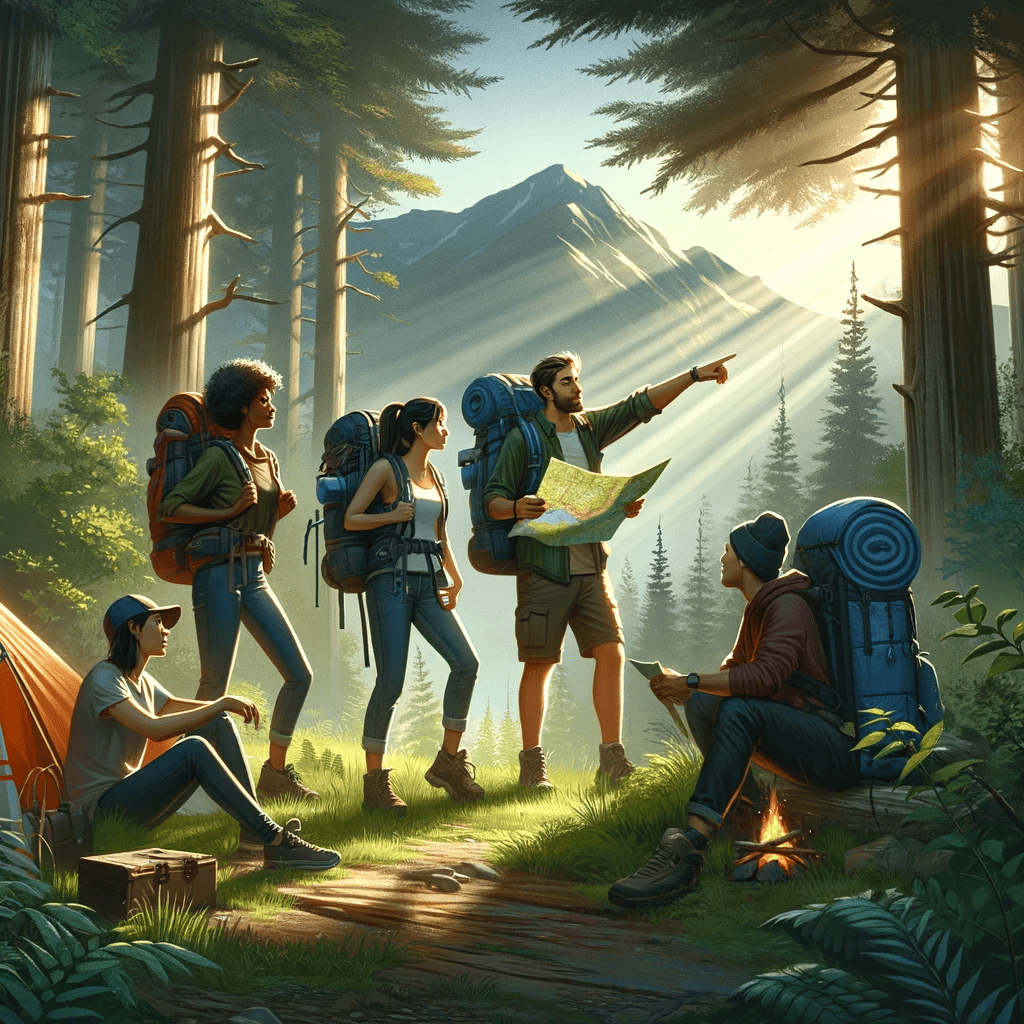
When embarking on a hiking or camping adventure, it is essential to have the right equipment to ensure a comfortable and safe experience. One crucial aspect is choosing a lightweight tent that suits the specific climate you will be encountering.
For warm weather conditions, consider a tent with mesh panels for optimal airflow, keeping you cool during those hot summer nights. On the other hand, for colder climates, opt for a tent with good insulation properties and a durable rainfly to protect against rain and wind.
Similarly, selecting an appropriate sleeping bag is vital for a good night’s sleep while camping. Look for sleeping bags that offer insulation appropriate to the expected temperatures at your destination.
Consider factors such as temperature rating, fill type (down or synthetic), weight, compressibility, and shape. Mummy-shaped bags are ideal for retaining body heat in cold conditions, while rectangular-shaped bags provide more room for movement in milder climates.
Cooking Equipment and Food Storage Solutions
One of the joys of outdoor adventures is enjoying delicious meals amidst nature’s beauty. To ensure you can prepare meals efficiently while camping or hiking, it’s essential to have suitable cooking equipment and food storage solutions. When it comes to portable stoves, there are various options available depending on your needs.
Backpacking stoves that use compressed gas canisters offer convenience due to their compact size and easy setup. They allow precise temperature control but may not perform well in extreme cold conditions compared to liquid fuel stoves.
Utensils and cookware should be lightweight yet durable enough to withstand outdoor use. Look for materials like titanium or aluminum that offer strength without adding unnecessary weight to your backpack.
Consider investing in multi-purpose utensils such as foldable sporks or utensil sets that can save space. In bear country areas, it is crucial to take precautions to prevent encounters with these powerful creatures.
Bear-resistant containers are designed to keep your food and scented items secure and away from bears. These containers are typically made of sturdy materials like hard plastic or metal and have a locking mechanism that is difficult for bears to open.
Mountain Climbing Expeditions
Specialized Climbing Gear: Harnesses, Ropes, Carabiners
Mountain climbing expeditions require specialized gear to ensure safety during ascent and descent. The primary components include harnesses, ropes, and carabiners. Harnesses are essential for attaching yourself securely to the rope system.
It’s important to choose a harness that fits well and distributes weight evenly across your body. Look for adjustable leg loops and waist belts that provide a comfortable yet snug fit.
Double-backed buckles offer added security, ensuring the harness remains properly fastened during intense climbs. Ropes play a critical role in mountain climbing as they bear the weight of climbers while providing protection against falls.
Dynamic ropes are designed to stretch upon impact, reducing the force exerted on both the climber and their gear during a fall. Static ropes, on the other hand, have minimal stretch properties and are primarily used for techniques such as rappelling or fixed lines.
Carabiners come in different shapes (e.g., D-shaped or oval) and gate types (e.g., screwgate or auto-locking) based on their intended use. Choosing the right carabiner involves considering factors such as strength ratings, gate clearance, ease of use with gloves if necessary, and whether it’s suitable for belaying or anchoring purposes.
To ensure safety while using climbing gear, proper fitting of harnesses is crucial. It should snugly fit around your waistline without being too tight or loose.
Leg loops should also have enough room for movement without causing discomfort or hindering mobility. Always double-check and adjust your harness before starting any climb.
Water-based Adventures (Kayaking, Canoeing, Rafting)
Choosing the Right Type of Kayak or Canoe Based on Activity Level
For water-based adventures like kayaking, canoeing, or rafting, selecting the appropriate watercraft can greatly enhance your experience. Choosing between a sit-on-top kayak and a sit-inside kayak depends on your activity level and personal preferences. Sit-on-top kayaks provide ease of entry and exit, making them suitable for beginners or those who value convenience.
They offer better stability and are self-bailing, allowing water to drain through scupper holes. On the other hand, sit-inside kayaks are more suitable for experienced kayakers seeking better maneuverability and improved protection against water splashes or cold weather conditions.
When it comes to canoes, consider whether you prefer an inflatable or rigid option. Inflatable canoes offer portability as they can be deflated and packed into a backpack.
They are ideal for those with limited storage space or those planning multi-day trips where transportation logistics are a concern. Rigid canoes are sturdier and provide better performance in terms of speed and control.
Waterproofing Techniques to Protect Essential Gear
Waterproofing essential gear is crucial for any water-based adventure to prevent damage to electronic devices, clothing items, food supplies, or safety equipment. Invest in dry bags made from durable materials like nylon or PVC with roll-top closures that create a watertight seal.
These bags come in various sizes to accommodate different gear items while keeping them dry even if the bag is submerged in water. Apply waterproof coatings on backpacks, tents, and clothing items using products specially designed for outdoor use.
These coatings create an additional layer of protection against moisture while maintaining breathability and durability. Ensure the electronics and other sensitive gear are stored in waterproof cases or pouches to prevent water damage.
Consider using silica gel packets to absorb any moisture that might be present in your gear bags. By implementing these waterproofing techniques, you can enjoy your water-based adventures without worrying about the safety of your essential gear.
Rarely Known Small Details: Packing Hacks & Tips
Clothing Organization Hacks
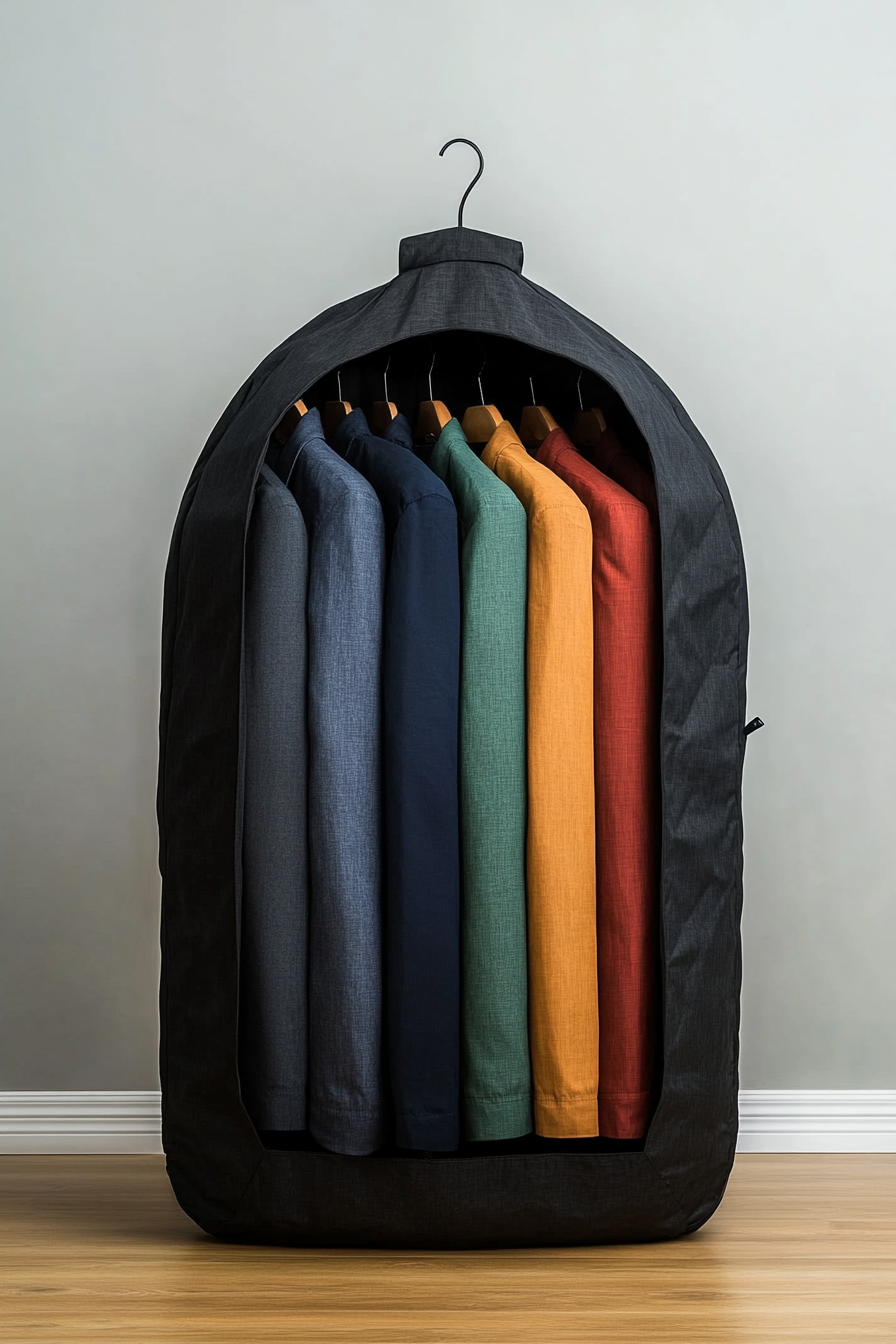
When it comes to adventure and outdoor packing, organizing your clothing efficiently can make a world of difference. Here are some rarely known clothing organization hacks that will help you maximize space and keep your gear easily accessible. Firstly, consider using compression sacks or packing cubes to condense your clothing into smaller compartments within your backpack.
These handy accessories not only save space but also help separate clean clothes from dirty ones. Furthermore, rolling your clothes instead of folding them can save considerable space in your bag.
This technique not only prevents wrinkles but also allows you to fit more items in limited storage areas. To take this hack even further, try the military-style roll for socks and underwear by folding them compactly into themselves for optimal organization.
Additionally, consider using vacuum-sealed bags for bulky items like jackets or sleeping bags. By removing excess air and compressing these items, you can significantly reduce their size without compromising their insulation abilities.
Don’t forget to utilize the interior pockets of your backpack or gear bag to store small items like socks, gloves, or accessories. Keeping these smaller essentials organized ensures quick access while on the go.
Conclusion
As adventurers and outdoor enthusiasts embark on thrilling journeys into the unknown, efficient packing is a crucial element that can greatly enhance their overall experience. By carefully selecting the right gear and utilizing smart packing hacks, adventurers can optimize their storage space while ensuring that essential items are easily accessible when needed most. Remember: preparation is key!
Thoroughly research the specific requirements of your adventure trip and pack accordingly. Whether it’s hiking through rugged terrains or conquering mighty mountains, having well-organized gear will allow you to focus on enjoying the journey rather than struggling with unnecessary clutter.
Embrace these rarely known packing tips as companions on your next exhilarating venture, and revel in the joy of being well-prepared. When you step into the great outdoors with confidence and a perfectly packed bag, you’ll find yourself fully immersed in the beauty of nature, ready to create lasting memories.